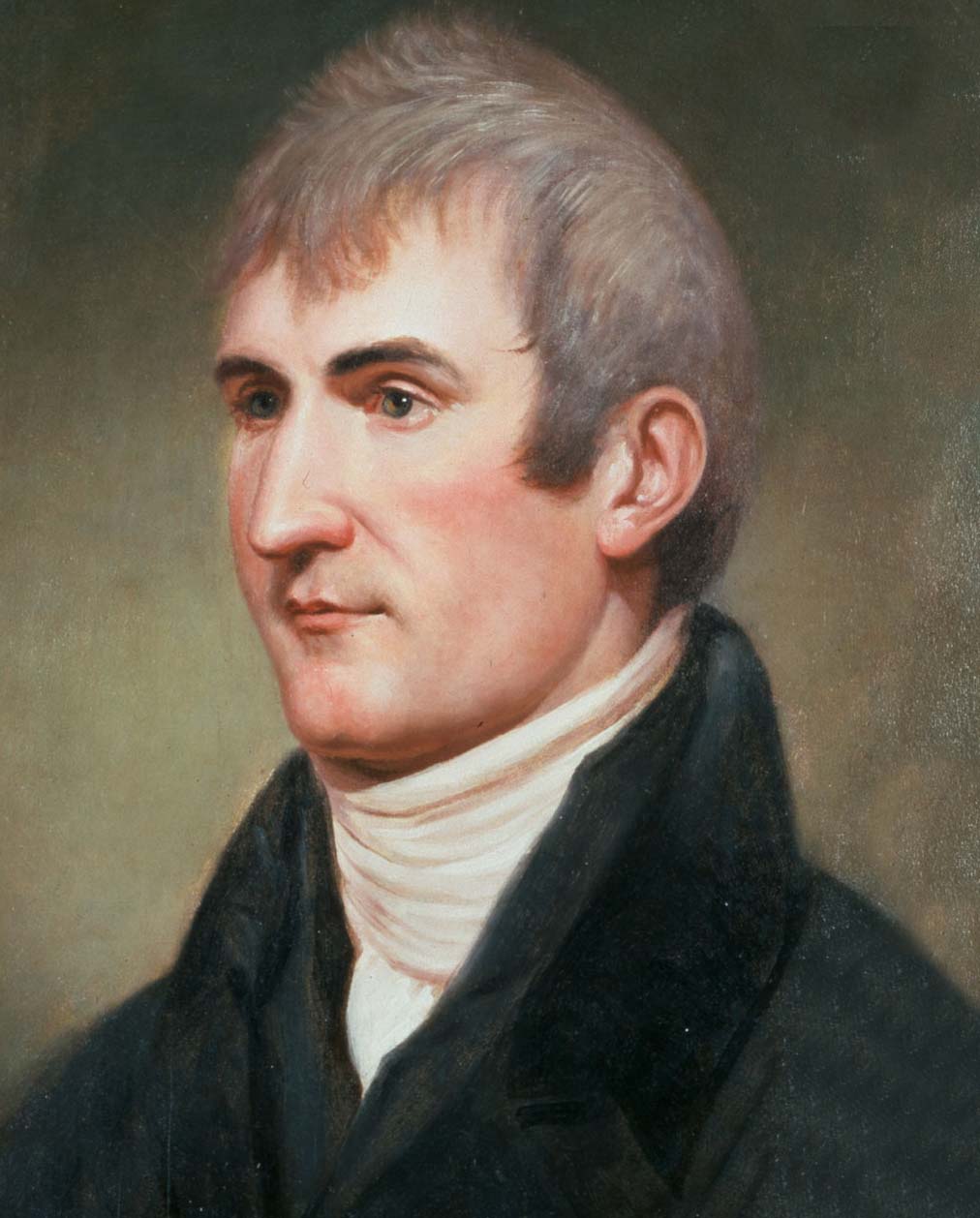
Thematic analysis · Figure: Shawnee Tribe

The Shawnee Nation in the Lewis & Clark Record

0 primary source entries

A Note on the Sources

The dataset provided for this synthesis contains zero journal entries tagged with references to the Shawnee Tribe. As a result, this article cannot offer the kind of date-by-date, narrator-by-narrator reconstruction that is possible for tribal nations the Corps of Discovery directly encountered, such as the Mandan, Hidatsa, Lemhi Shoshone, Nez Perce, Clatsop, or Teton Sioux. Any responsible synthesis must begin by acknowledging this absence in the available record.

This does not mean the Shawnee are wholly absent from the broader documentary history of the expedition era — only that, within the corpus of journal entries supplied here, no passages have been indexed under this figure. A fuller treatment would require returning to the primary journals of Meriwether Lewis, William Clark, John Ordway, Patrick Gass, Joseph Whitehouse, and Robert Frazer to search for incidental mentions that may not have been tagged.

Why the Shawnee Are Largely Absent from the Western Journals

The Lewis and Clark Expedition (1804–1806) traveled up the Missouri River from the vicinity of St. Louis, crossed the Continental Divide, descended the Columbia, and returned by a similar route. The Shawnee homeland in this era lay to the east — in the Ohio Valley and adjacent regions — and Shawnee communities had also been displaced and dispersed southward and westward by decades of warfare and treaty pressure. By 1803, significant Shawnee settlements existed in present-day Missouri, particularly in the Cape Girardeau district, where Spanish authorities had granted lands to Shawnee and Delaware emigrants in the 1780s and 1790s.

Lewis passed through the Ohio Valley in the late summer and fall of 1803 while descending the Ohio River from Pittsburgh to the Mississippi, and the Corps wintered at Camp Dubois (Camp River Dubois) on the east bank of the Mississippi opposite the mouth of the Missouri from December 1803 to May 1804. During these months, the captains were in geographic proximity to Shawnee communities in Missouri and Illinois country. The journal record from this preparatory period is comparatively thin, however, and the entries supplied for this synthesis do not include tagged Shawnee references.

What This Means for the Synthesis

Because no entries are available, the following statements cannot be made on the basis of the supplied record:

Each of these is a plausible avenue of historical inquiry, but none can be documented from the zero entries provided. To assert any of them here would be speculation of exactly the kind this synthesis is instructed to avoid.

The Shawnee in the Wider Context of the Expedition Era

While the journal record supplied here is silent, it is worth noting — purely as context, not as a claim drawn from the journals — that the Shawnee were among the most consequential Native nations of the trans-Appalachian frontier in the years immediately surrounding the expedition. The political career of Tecumseh and the religious movement of his brother Tenskwatawa (the Shawnee Prophet) would emerge in the years just after the Corps returned, culminating in the confrontations leading to the Battle of Tippecanoe in 1811 and the War of 1812. Lewis, as Governor of Upper Louisiana from 1807 until his death in 1809, would have had administrative dealings with tribal nations in his territory, but those records lie outside the expedition journals proper and outside the dataset for this synthesis.

Narrators Who Might Mention the Shawnee Elsewhere

A researcher seeking Shawnee references in the broader Lewis and Clark documentary corpus would want to examine:

None of these narrators is represented in the supplied entries with tagged Shawnee material.

Conclusion: An Honest Silence

The most truthful synthesis this dataset permits is a brief one: within the journal entries provided, the Shawnee Nation is not mentioned. The expedition’s westward route carried the Corps away from Shawnee country and into the territories of dozens of other nations, whose names — Oto, Missouria, Yankton, Teton, Arikara, Mandan, Hidatsa, Assiniboine, Shoshone, Salish, Nez Perce, Walla Walla, Yakama, Wishram, Wahkiakum, Chinook, Clatsop, Tillamook, and many more — fill the journals in their stead.

The absence of Shawnee material in this corpus should not be read as historical insignificance. It reflects the geography of the expedition and the indexing of the dataset, not the standing of the Shawnee people in early nineteenth-century North America. Future enrichment of the tagged journal corpus may yet surface incidental mentions; until that work is done, this entry stands as a placeholder and an acknowledgment of the limits of the record.

AI-Assisted Drafted with AI assistance from primary-source journal entries cited above. Reviewed and approved by [editor].

Our Partners


