


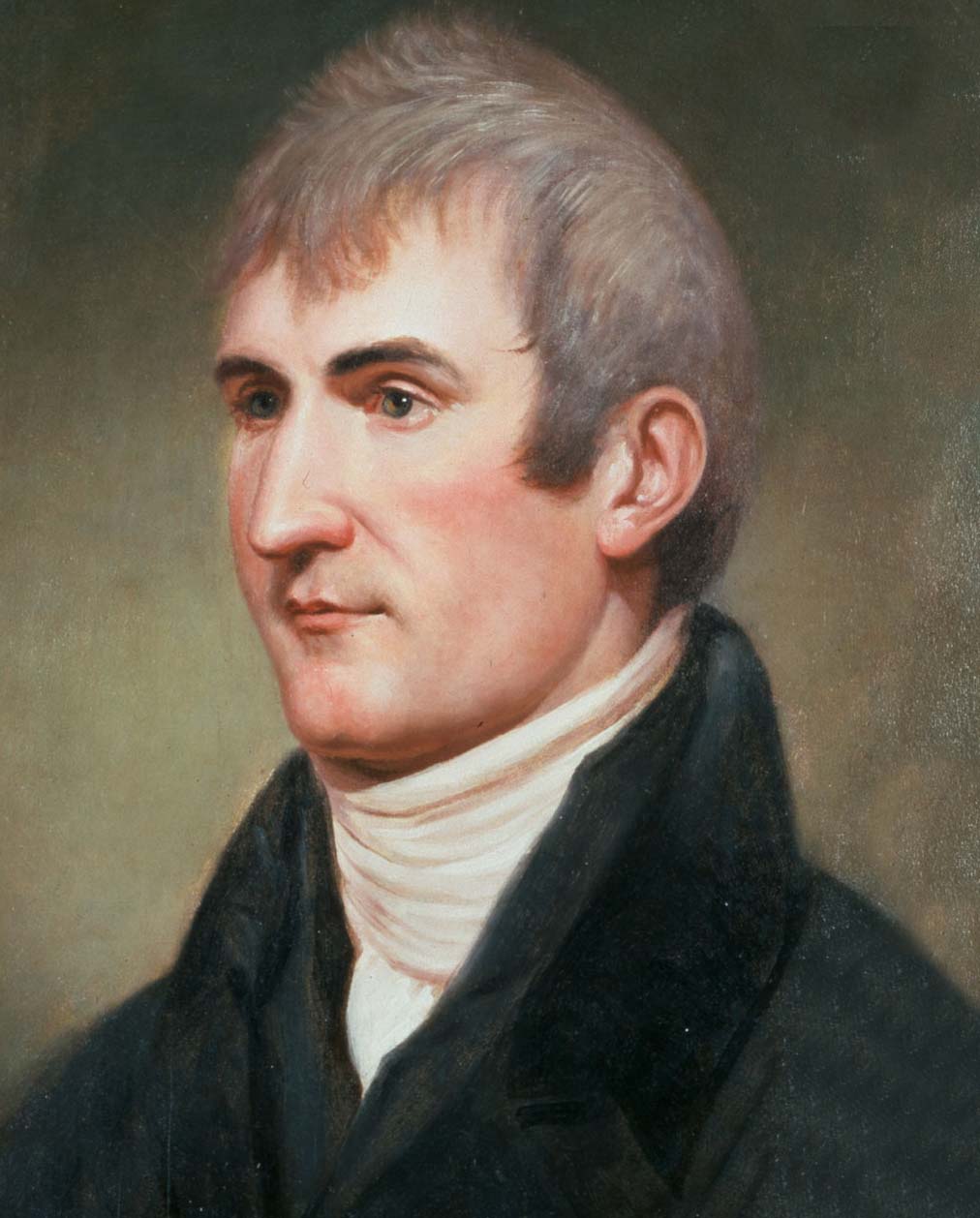
The entries of May 26, 1806, capture the Corps of Discovery in suspended motion at Camp Chopunnish along the Clearwater, waiting for snowmelt to open the Bitterroot passage. Four narrators — Sergeants Patrick Gass and John Ordway, and Captains William Clark and Meriwether Lewis — describe the same handful of events: the completion and launching of a canoe, the return of the Field brothers from a failed hunt, and the chronic shortage of meat. The contrast between the sergeants’ terse logbook style and the captains’ expansive medical and ethnographic detail is unusually pronounced on this date.
Parallel Brevity in the Sergeants’ Journals
Gass and Ordway record nearly identical skeletons of the day. Both note the canoe’s completion and launching; both report the hunters’ return without game; both mention the purchase of roots from a native village. Gass writes plainly:
ished our canoe and put her into the water. — In the afternoon two hunters came in, but had not killed any thing: they had procured some roots at a village about fourteen miles up the river. Our stock of provisions is exhausted, and we have nothing to eat but some roots, which we get from the natives at a very dear rate.
Ordway’s version covers the same ground but supplies a different texture — he names the trade goods specifically (“Shappalell and couse roots”) and notes that “the river riseing,” a detail Gass omits. Where Gass editorializes about the “very dear rate” charged by the Nez Perce, Ordway records the transaction neutrally as a purchase of “considerable” stores. The two sergeants are clearly not copying one another verbatim, but their shared framework — canoe, hunters, roots — suggests a common camp-conversation source rather than independent observation.
The Captains’ Medical and Diplomatic Detail
Clark and Lewis, by contrast, devote substantial space to two patients invisible in the sergeants’ accounts: Sacagawea’s child, Jean Baptiste, and the paralyzed Nez Perce chief whom the captains have been treating. Clark notes that “The Child Something better this morning tho the Swelling yet continues. we Still apply the onion poltice.” Lewis adds clinical specificity: “The Clyster given the Child last evening operated very well. it is clear of fever this evening and is much better, the swelling is considerably abated and appears as if it would pass off without coming to a head.”
Both captains describe the same regimen prescribed for the ailing chief — “a few dozes of flour of sulpher and Creem of tartar & some portable soupe” — with directions that he be taken home and sweated. Lewis alone notices the Nez Perce reluctance to comply: “they seemed unwilling to comply with the latter part of the injunction for they consumed the day and remained with us all night.” This sort of social-political reading is characteristic of Lewis throughout the expedition; Clark records the prescription, Lewis records the resistance.
Who Notices What
Several details appear in only one narrator’s account. Lewis specifies the geography of the Field brothers’ aborted hunt — “Commearp Creek at about 11/2 Ms. and a second creek reather larger at 3 Ms. further” — and identifies the village as one “which our traders have never yet visited.” Clark, more practical, names the parties dispatched to trade: Sergeant Pryor with four men, and “Shabono & york” sent to procure roots for the captains’ own mess. Lewis’s parallel passage adds LePage to the second party, a small discrepancy useful to scholars reconstructing daily assignments.
Clark uniquely reports that “one of our men Saw a Salmon in the river to day. and two others eat of Salmon at the near Village which was brought from Lewis’s river.” Lewis mentions only the sighting, not the eating. The salmon detail matters: it is the first credible sign of the seasonal run that the expedition has been anticipating, and Clark’s fuller notice — including the fish’s provenance from the Snake — preserves intelligence Lewis lets slip.
All four narrators converge on the day’s most consequential observation, recorded most plainly by Clark: “the riseing very fast and Snow appear to melt on the Mountains.” Lewis echoes it almost word for word: “the river still rising fast and snows of the mountains visibly diminish.” For the Corps, this was the line that mattered most. The canoe was finished, the larder was empty, and the mountains were beginning, at last, to release them.


