
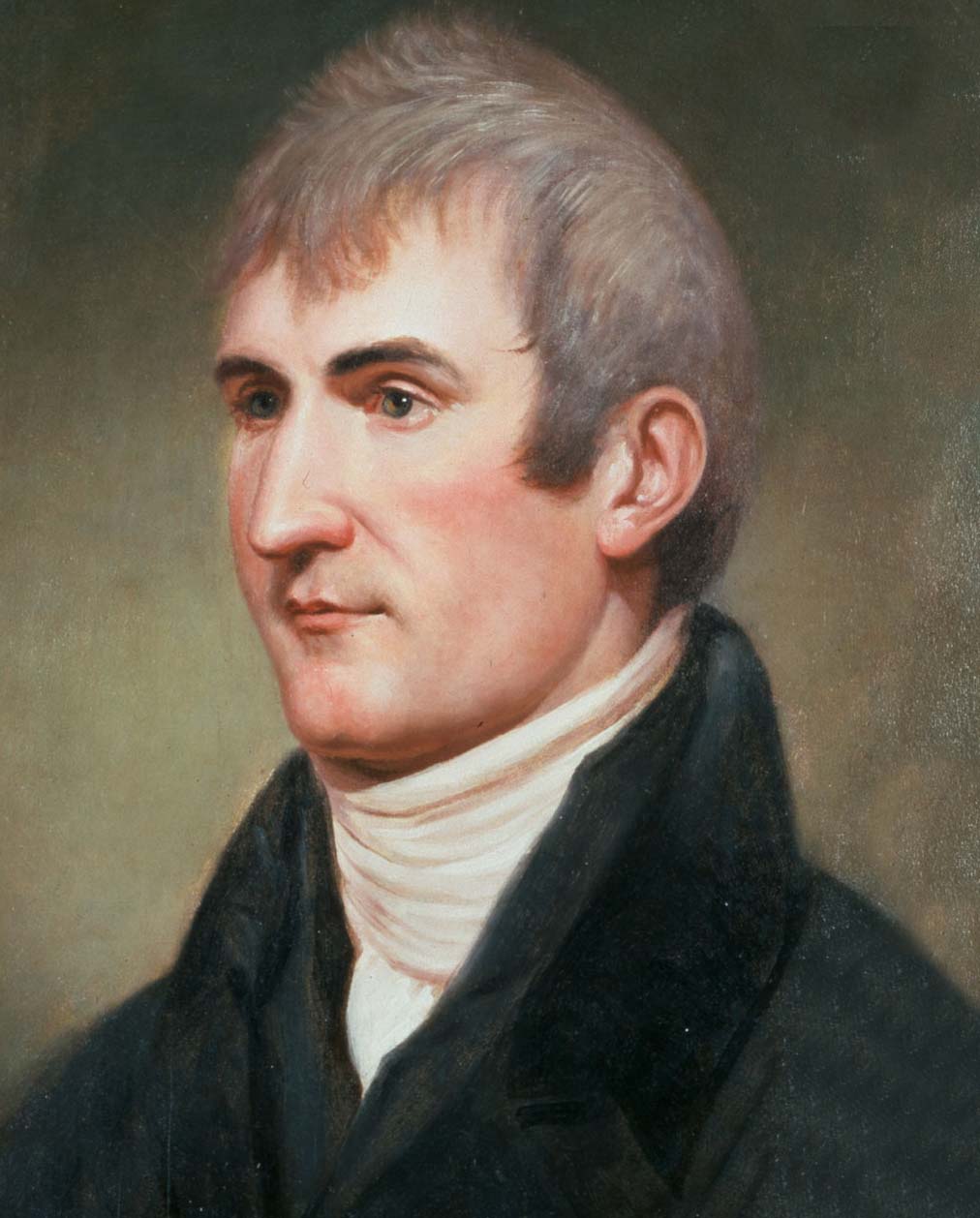

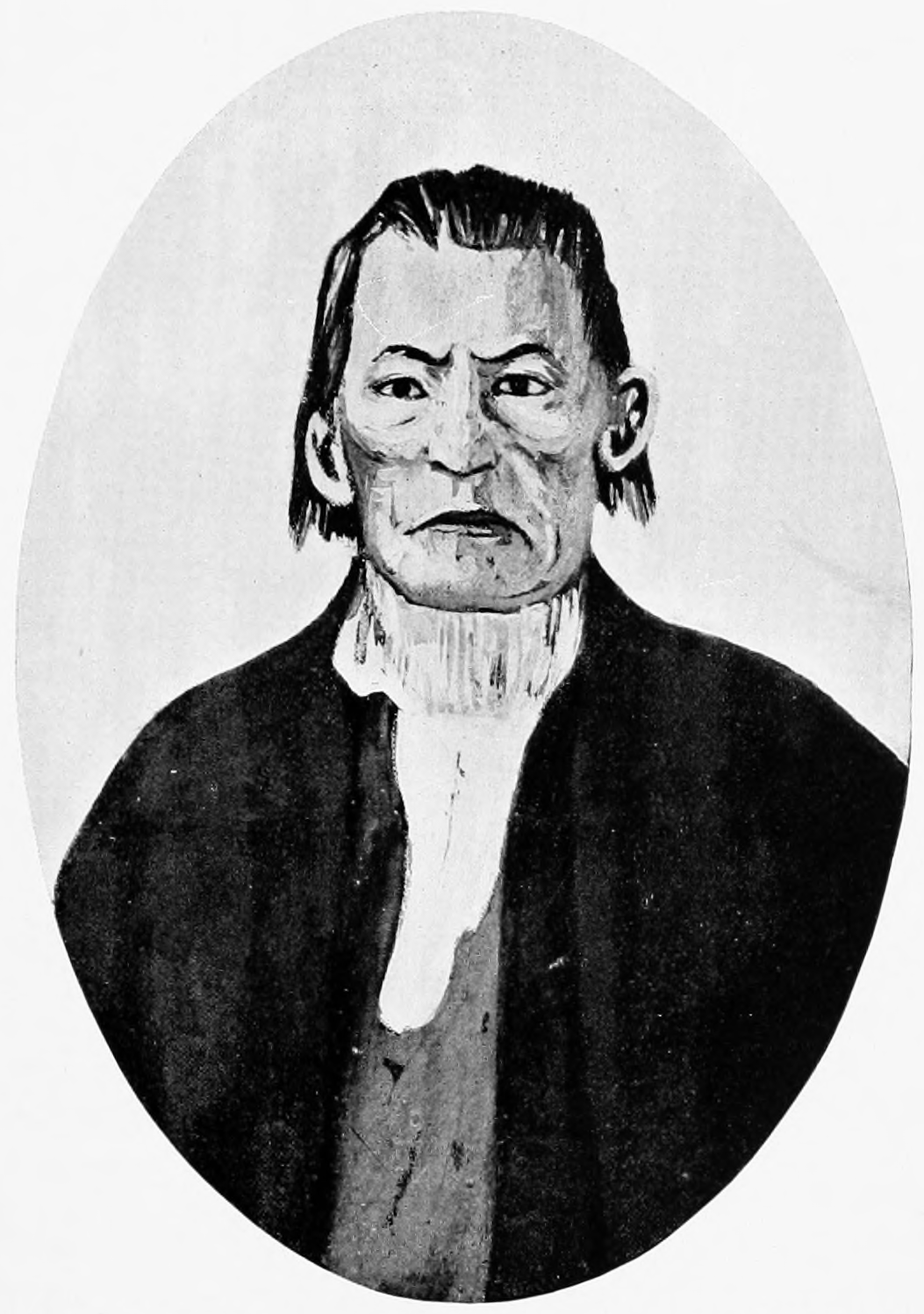
By mid-July 1806 the Corps of Discovery was no longer a single body of men but four detachments operating across an immense geography. The journal entries for July 16 — penned by Meriwether Lewis, William Clark, Patrick Gass, and John Ordway — offer a rare opportunity to read the expedition as a distributed enterprise, with each narrator capturing a different node of activity. The entries reveal not only divergent locations but divergent registers: Lewis the naturalist-aesthete, Clark the practical pilot, Gass the orderly chronicler of instructions, and Ordway the laconic logger of distance and game.
Geography of Dispersion
Gass’s entry is the only one that explicitly maps the day’s organizational logic. Writing from the portage camp on the Missouri, he records the orders Lewis left behind:
When Capt. Lewis left us, he gave orders that we should wait at the mouth of Maria’s river to the 1st of Sept. at which time, should he not arrive, we were to proceed on and join Capt. Clarke at the mouth of the Yellow-stone river, and then to return home: but informed us, that should his life and health be preserved he would meet us at the mouth of Maria’s river on the 5th of August.
This passage is significant because Lewis himself does not record these contingency orders in his own July 16 entry. Gass, often functioning as the expedition’s procedural memory, preserves the if-then structure of the rendezvous plan. Lewis instead plunges into action, dispatching Drewyer and R. Fields with the horses and proceeding by buffalo-skin canoe to the mouth of the Medicine River. Where Gass thinks in calendar dates, Lewis thinks in immediate movements.
Two Captains, Two Voices
The contrast between Lewis and Clark on this day is striking. Lewis, halting at the 47-foot fall, slips into aesthetic reflection:
these falls have abated much of their grandure since I first arrived at them in June 1805, the water being much lower at preset than it was at that moment, however they are still a sublimely grand object. I determined to take a second drawing of it in the morning.
Lewis’s day also includes a tense encounter — bears occupying the only available wood — and extended natural-history observations on antelope behavior, geese flocks, and the cuckoo or “rain craw,” which he notes is not found west of the Rockies. His prose moves freely between practical narrative, drawing, and zoological taxonomy.
Clark, on the Yellowstone, has no time for the sublime. His central problem is mechanical: he cannot find a cottonwood large enough for a dugout canoe, and the Yellowstone (which he calls the Rochejhone) is too swift for skin boats. His entry catalogs lame horses, improvised remedies, and geological assessment:
two of the horses was So lame owing to their feet being worn quit Smooth and to the quick… I had Mockersons made of green Buffalow Skin and put on their feet which Seams to releve them very much
Clark also notices a fish he cannot identify — eight inches long, trout-shaped, with a sturgeon-like mouth and a red lateral stripe — a detail that demonstrates his consistent attention to ichthyology even when burdened by logistical difficulties. Like Lewis with the cuckoo, Clark records a creature whose identity puzzles him, but his note is briefer, more reportorial.
The Sergeants’ Registers
Ordway, traveling with the canoe party on the Missouri, files the day’s most economical entry. His prose is terse, oriented toward wind, distance, and the hunters’ tally:
Collins killed faun Elk and two Mountain Sheep, we proceeded on below ordways river and Camped on a Sand beach.
The reference to “ordways river” — a tributary the party had named for him on the outbound journey — is a small touch of self-location absent from the other narrators. Gass, by contrast, focuses inward on camp labor: repairing wagons, suffering mosquitoes, awaiting the canoe party. Neither sergeant attempts the natural-history voice that Lewis cultivates and Clark partially shares.
Read together, the four entries demonstrate how the expedition’s documentary record relied on overlapping but non-redundant observers. Gass preserves the rendezvous protocol Lewis omits; Clark records logistical realities Lewis does not face; Lewis offers ornithological notes neither sergeant attempts; Ordway anchors the canoe party’s progress in plain miles and meat. No single journal could reconstruct July 16, 1806. The day exists only in the aggregate.


