
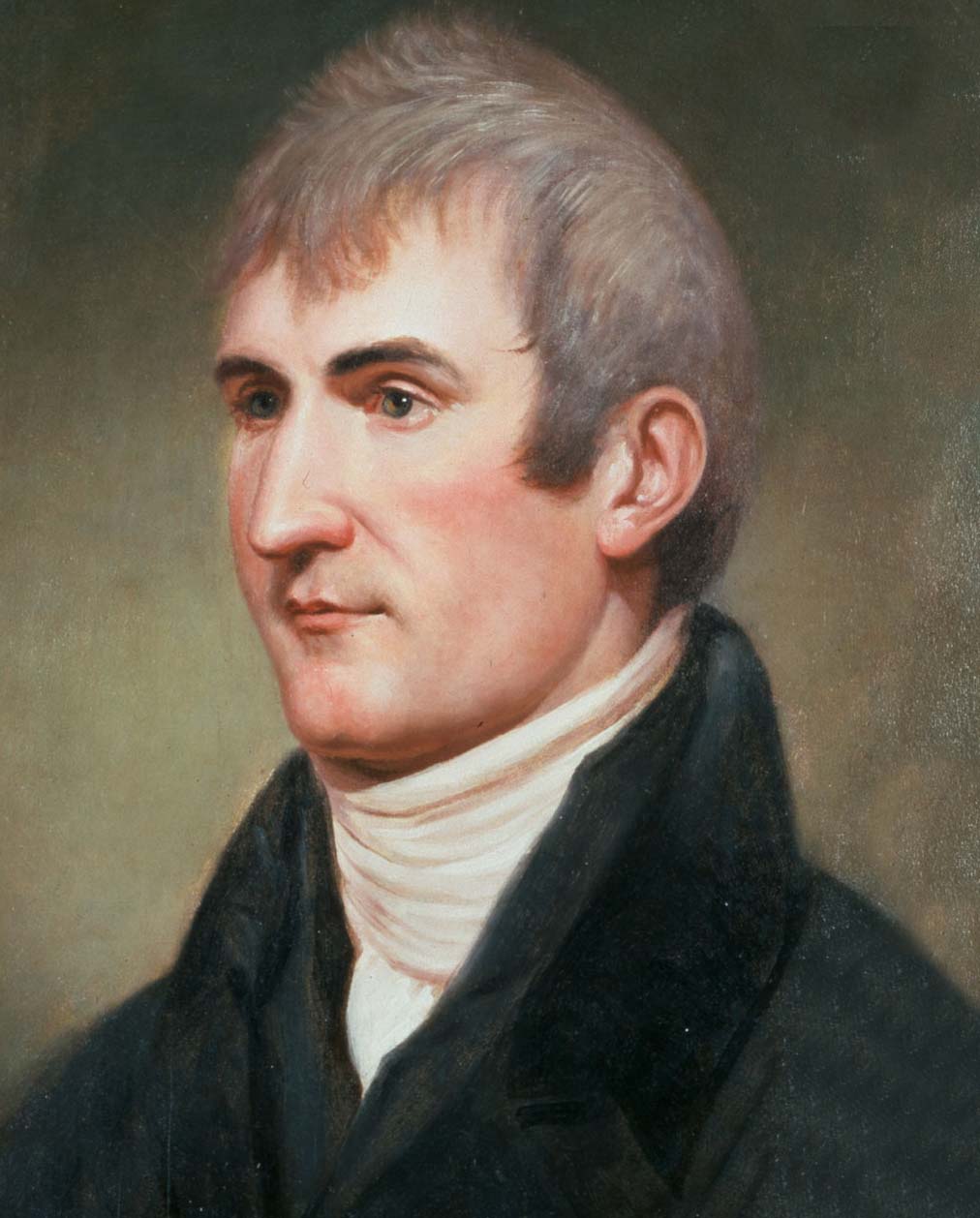


The journal entries of January 4, 1806 offer an unusually clear window into how the four principal expedition narrators divided the labor of observation. While Meriwether Lewis and William Clark sit at Fort Clatsop composing what is plainly a shared ethnographic set-piece on Chinookan and Clatsop trading habits, Patrick Gass is miles away on the trail to the salt works recording terrain and game, and John Ordway compresses the day into a single sentence about Indian trade and a purchased dog. Read together, the four entries demonstrate how a single date in the expedition’s life was refracted through register, geography, and authorial ambition.
The Lewis–Clark Twin Essay
The most striking pattern is the near-verbatim correspondence between the Lewis and Clark entries. Both captains open with the departure of Comowooll and the Clatsops, both proceed into a sustained character study of the neighboring peoples, and both close with the same wry note that "nothing" of consequence occurred — except that the wappato was gone. The textual overlap is so close that one entry is plainly derived from the other or from a common draft.
Clark writes:
they are great higlers in trade and if they Conceive you anxious to purchase will be a whole day bargaining for a hand full of roots
Lewis writes the same sentence almost word for word, altering only spelling ("higlers," "handfull") and minor phrasing. The illustrative anecdote, however, reveals a small but telling divergence. Clark says he offered "my watch a knife, a Dollar of the Coin of U State and hand full of beeds" to a Clatsop man; Lewis recalls offering "my watch two knives and a considerable quantity of beads" to a Chinnook. The protagonists, the tribes, and the inventory of trade goods all shift. Whether the anecdote happened to one captain, both, or was reconstructed from memory weeks later, the discrepancy is a reminder that even the expedition’s most polished ethnography was a collaborative literary product rather than a transparent field record.
Both captains arrive at the same judgment — that Chinookan bargaining reflects an "avericious all grasping dis-position" (Clark) or "avaricious all grasping disposition" (Lewis) — and both contrast this unfavorably with other Native peoples they had met, who, in Lewis’s words, "invariably lead them to give whatever they are possessed off … for a bauble which pleases their fancy." The shared moral framework is as revealing of the captains as of their hosts: a mercantile sophistication they encountered on the lower Columbia did not fit the categories they had brought west.
Gass on the Salt Trail
Patrick Gass, detached with the salt-making party, writes a wholly different kind of entry. Where the captains philosophize, Gass moves: a creek crossed, an elk killed, a marsh waded "where the water was knee deep," a prairie measured at "about five miles wide." His geography is precise and forward-looking, naming "Clarke’s view on the sea shore" as the prairie’s southern terminus and estimating the distance from Point Adams at thirty miles. Gass closes with a sergeant’s economy:
so we encamped on the creek and supped on the elk’s tongue, which we had brought with us.
His entry preserves details no one at the fort could have recorded — the texture of the coastal prairie, the obstacle of an unfordable creek — and reminds readers that the expedition’s documentary record on any given day is geographically distributed.
Ordway’s Compression
John Ordway’s entry is the briefest of the four: the Clatsops trade "Some excelent Sweet roots," and someone in the party buys a dog. In a single line Ordway captures the same trading economy that occupies Lewis and Clark for paragraphs, and registers the food situation — the dog purchase — that the captains acknowledge only obliquely when they note the wappato is exhausted. Ordway, writing without literary aspiration, often supplies the ground-level economic fact that the captains’ more elevated prose softens or omits.
Taken together, the four entries for January 4, 1806 show the expedition’s documentary apparatus working as a system: Lewis and Clark constructing a polished ethnographic account for an eventual readership, Gass keeping the trail log, and Ordway reducing the day to its essential transactions. The exhausted wappato, mentioned only by the captains, hangs over all four entries as the unspoken pressure shaping every trade.


