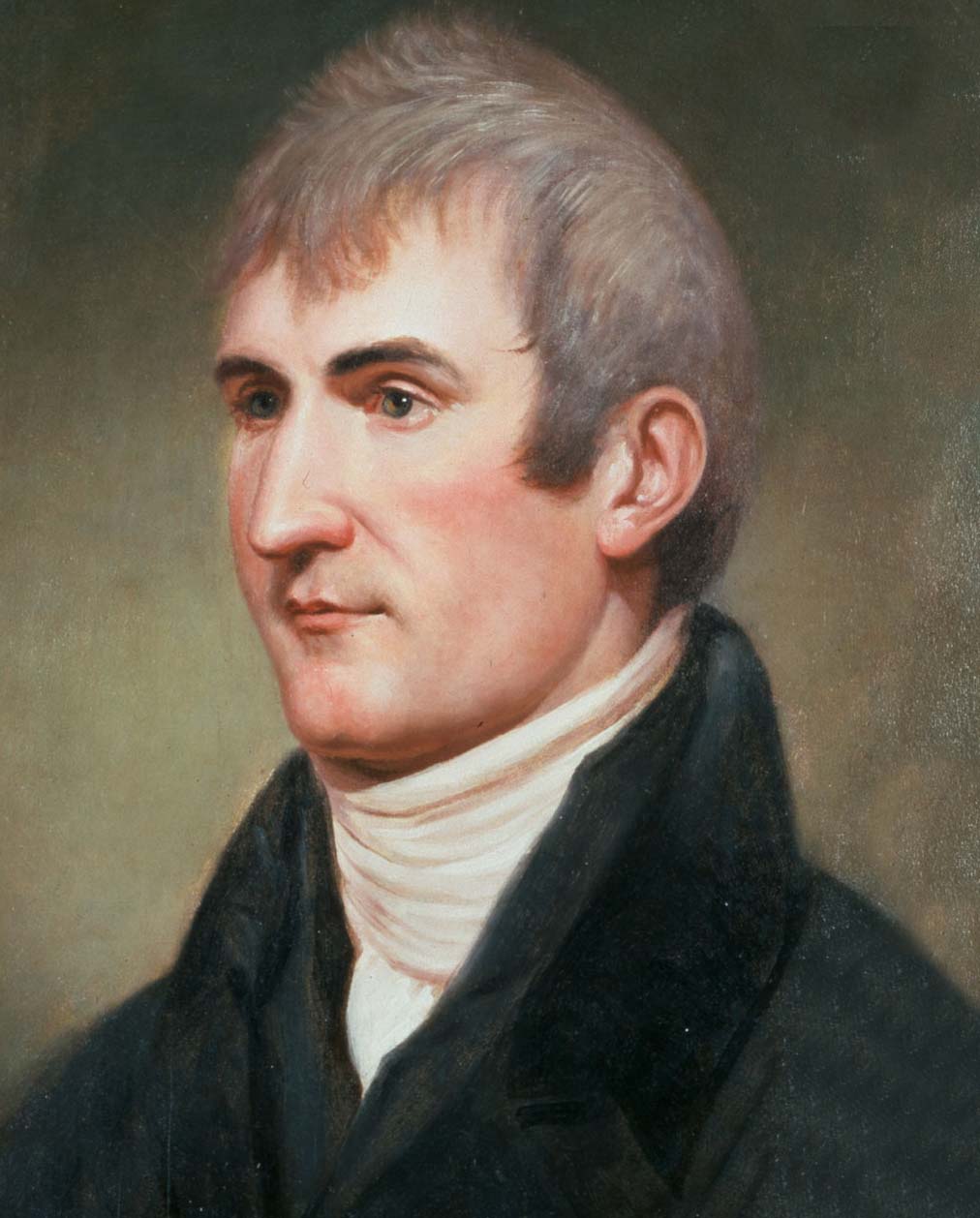

The journal entries for January 9, 1806 offer a rare opportunity to watch three members of the Corps of Discovery process the same calendar day from sharply divergent vantage points. William Clark is on the coast, returning footsore from the beached whale near Tillamook Head; Meriwether Lewis remains at Fort Clatsop, sufficient distance from the action to compose extended ethnographic prose; and John Ordway, also at the fort, manages only a fragment about the weather. The contrast in length, register, and content reveals as much about each narrator’s habits of mind as it does about January 9 itself.
Lewis at the Fort: Ethnography by Inference
Lewis devotes most of his entry to two set pieces: a detailed description of Clatsop and Chinook canoe burial, and a speculative passage on the maritime traders who frequent the Columbia’s mouth. His tone is taxonomic and patient. The burial description proceeds with carpenter’s precision:
four pieces of split timber are set erect on end, and sunk a few feet in the grown, each brace having their flat sides opposite to each other and sufficiently far assunder to admit the width of the canoes in which the dead are to be deposited
Lewis is willing to extrapolate religious meaning from material practice — "I presume from their depositing various articles with their dead, that they believe in a state of future existence" — while admitting the limits of his linguistic access. His second set piece, on the unidentified traders, shows the same deductive method: he reasons from the direction Indigenous informants point (S.W.), from the seasonal pattern (April through October), and from the English vocabulary the Clatsops have acquired ("musquit, powder, shot, nife, file, damned rascal, sun of a bitch"). The vulgar loanwords are the day’s most striking detail, and only Lewis records them.
Notably, Lewis spares only a sentence for the missing party — "this evening we heard seven guns in quick succession" — and frames it through his stomach: "some marrow bones and a little fresh meat would be exceptable; I have been living for two days past on poor dryed Elk, or jurk as the hunters term it."
Clark on the Trail: Measurement and Fatigue
Clark’s entry is the day’s longest and most kinetic. Where Lewis generalizes, Clark measures. He records a Clatsop house at "27 foot wide 35 feet long Sunk in the ground 5 feet," with doors "29 Ins. high & 14¼ wide," and an "old grave in Canoes of 3 feet 8 Inches wide & 5 feet long." The same canoe-burial structure Lewis describes from secondhand observation, Clark steps inside and measures with a ruler. He also takes bearings — "from the Point Clarks Point of view Cape Disapt. bears S. 12° E" — converting the trek into navigational data.
Clark’s prose registers physical cost in a way Lewis’s never does. He describes meeting Chinooks and Clatsops "loaded with imence laods of the blubber and oile maney of those loads I with difficuelty raised, Estonishing what custom will do," and admits arriving at the salt camp "verry much fatigued, more So than I ever was before." The night before, by his account, brought a moment of genuine alarm:
I was alarmed by a loud Srile voice from the Cabins on the opposite Side, the Indians all run immediately across to the village, my guide who Continued with me made Signs that Some one’s throat was Cut
The McNeal incident — apparently a thwarted assault that nearly cost the private his life — receives no mention from Lewis, who at the fort had no way of knowing. This is one of those moments where the multi-narrator record becomes essential: without Clark, the episode disappears.
Ordway’s Silence
Sergeant Ordway’s entry is a single clause: "but cleared off pleasant this morning, and continues warm." The brevity is characteristic of his fort-bound winter entries, when little distinguishes one day from another and the captains’ journals carry the descriptive weight. Ordway’s terseness functions as a kind of negative evidence — confirming that for the men remaining at Fort Clatsop, January 9 was unremarkable, the McNeal scare and the blubber caravan unfolding entirely beyond their horizon.
The three entries together form a useful triangulation. Lewis’s ethnographic generalizations on canoe burial gain credibility from Clark’s on-the-ground measurements of an actual grave. Clark’s running narrative supplies the human drama Lewis cannot witness. And Ordway’s single sentence reminds us how much of any expedition day, for most of its participants, simply passes.


