Journal Entry

Clark: January 9, 1806

January 9, 1806
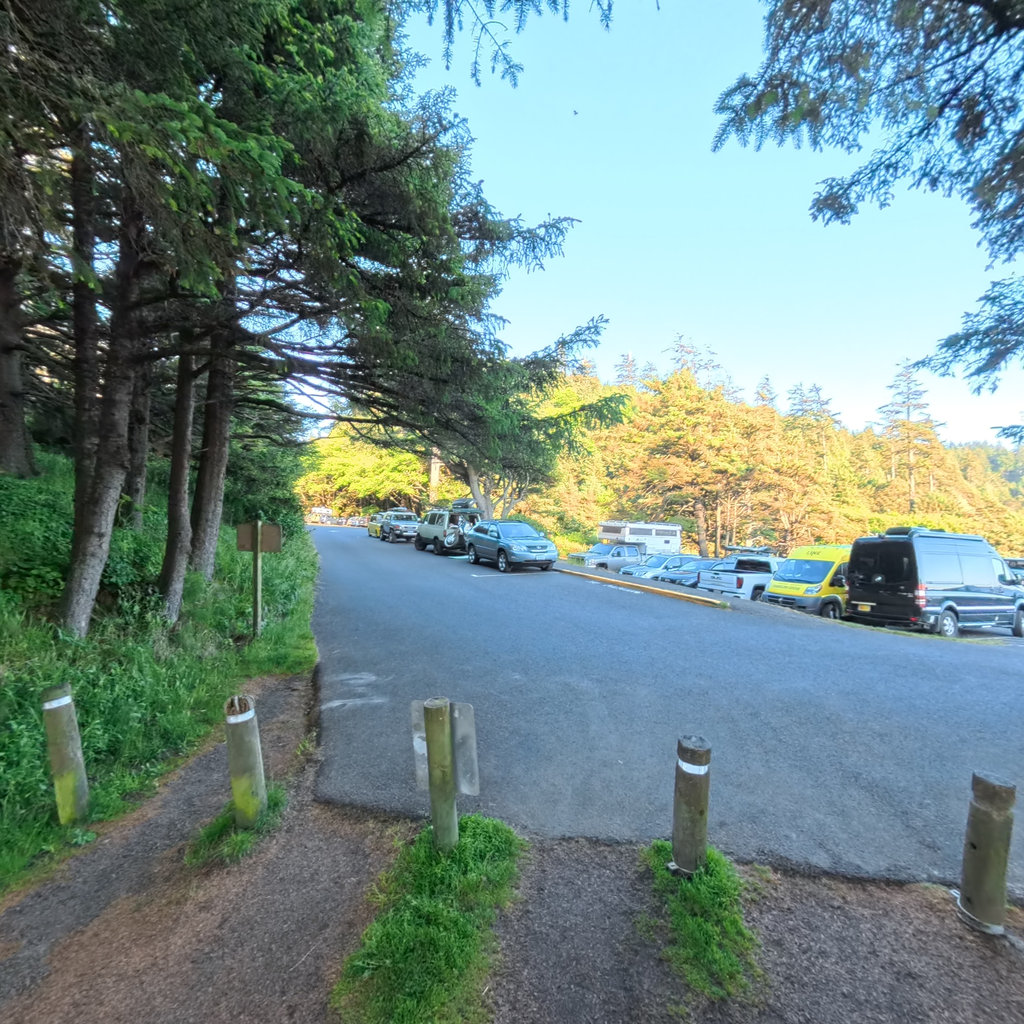
Clark's party to see beached whale at Tillamook Head
AI Summary

Clark's party set out at daybreak from the Tillamook village, carrying whale meat and oil obtained the previous day. They examined an old plank house at a former village site, then climbed the headland (Clark's Point of View) for sightings toward Cape Disappointment and Point Adams. Along the way they passed numerous Chinook and Clatsop Indians hauling heavy loads of blubber and oil. After a fatiguing 35-mile trek, they reached the salt-makers' camp by 2 p.m. Joseph Field had killed an elk and deer. Weather was fine but rained overnight.

January 9th Thursday 1806 a fine morning wind N E Set out at day lighte
every man Some meat of the whale and a little oile proceded on the track
we Came out to a house at a branch where we halted 1/2 an hour to rest
this house is at at place an old village has formerly been, on the Coast
at the Comencment ____ 27 foot wide 35 feet long Sunk in the ground 5 feet
2 Dotes & 2 fire places dotes 29 Ins. high & 141/4 wide handsom
Steps to decend down a post in the middle Coverede with boards Split thin
an 2 feet wide, old grave in Canoes of 3 feet 8 Inches wide & 5 feet
long neetly made high at bow proceded on to the top of the hill Passing 3
bad points rockey &. from the Point Clarks Point of view Cape Disapt.
bears S. 12° E passing a Great point at 15 miles one at 40 miles rocks out
to the 1st large point from the Creek 4 points, between the 1st large
Point and 2d a point of many large rocks, Day Clouded up, I can See a
point Bearing N 5° East along way just in Sight. from Clarks View Point to
Cape Disapointment is N 20° W. To point adams &the open Slope point is
North and a Sharp point, met a party of Chinnooks going to get whale
blubber to eate & oile each of which they eate together, we also over
took Several parties of the Clot Sops loaded with imence laods of the
blubber and oile maney of those loads I with difficuelty raised,
Estonishing what custom will do. at 2 oClock we arrived at the Camp of our
Salt makers verry much fatigued, more So than I ever was before, the
Indians all proceeded on, I concluded to Stay all night, as the party was
much fatigued, and Send out 2 men which I had left here to hunt Ducks up
the little river, Jo. Fields had killed an Elk and brought in a quarter on
which we Dined he also had killed & brought in a Deer. The Indians
with the oile & bluber tole me they had to purchase of the Ca-le nixx
and would Come to the fort & Sell to us in 3 Days time, this I
incouraged, as I expect to purchase at the fort as cheep as at the village
at which I was, day proved fine. rained the greater part of the night I
went into an Indian Lodge they were pore Durty and the house full of
flees. he offered me roots which they geather on the Sea Cost a kind of
rush, of which they offered me to eate,

Thursday 9th of January 1806 a fine morning wind from the N. E. last night
about 10 oClock while Smokeing with the nativ’s I was alarmed by a loud
Srile voice from the Cabins on the opposite Side, the Indians all run
immediately across to the village, my guide who Continued with me made
Signs that Some one’s throat was Cut, by enquiry I found that one man
McNeal was absent, I imediately Sent off Sergt. N. Pryor & 4 men in
quest of McNeal who they met comeing across the Creak in great hast, and
informed me that the people were alarmed on the opposit Side at Something
but what he could not tell, a man had verry friendly envited him to go and
eate in his lodge, that the Indian had locked armes with him and went to a
lodge in which a woman gave him Some blubber, that the man envited him to
another lodge to get Something better, and the woman held him by the
blanket which he had around him another ran out and hollow’d and his
pretended friend disapearedI emediately ordered every man to hold
themselves in a State of rediness and Sent Sergt. Pryor & 4 men to
know the cause of the alarm which was found to be a premeditated plan of
the pretended friend of McNeal to assanate for his Blanket and what fiew
articles he had about him, which was found out by a Chin nook woman who
allarmed the men of the village who were with me in time to prevent the
horred act. this man was of another band at Some distance and ran off as
Soon as he was discovered. we have now to look back and Shudder at the
dreadfull road on which we have to return of 45 miles S E of Point adams
& 35 miles from Fort Clatsop. I had the blubber & oil divided
among the party and Set out about Sunrise and returned by the Same rout we
had went out, met Several parties of men & womin of the Chinnook and
Clatsops nations, on their way to trade with the Kil a mox for blubber and
oil; on the Steep decent of the Mountain I overtook five men and Six womin
with emence loads of the Oil and blubber of the Whale, those Indians had
passed by Some rout by which we missed them as we went out yesterday; one
of the women in the act of getting down a Steep part of the mountain her
load by Some means had Sliped off her back, and She was holding the load
by a Strap which was fastened to the mat bag in which it was in, in one
hand and holding a bush by the other, as I was in front of my party, I
endeavored to relieve this woman by takeing her load untill She Could get
to a better place a little below, & to my estonishment found the load
as much as I Could lift and must exceed 100 wt. the husband of this woman
who was below Soon came to her releif, those people proceeded on with us
to the Salt works, at which place we arrived late in the evening, found
them without meat, and 3 of the Party J. Field Gibson & Shannon out
hunting. as I was excessively fatigued and my party appeared verry much
so, I deturmined to Stay untill the morning and rest our Selves a little.
The Clatsops proceeded on with their lodesThe Clatsops, Chin nooks
Kil a mox &c. are verry loquacious and inquisitive; they possess good
memories and have repeeted to us the names capasities of the Vessels &c
of maney traders and others who have visited the mouth of this river; they
are generally low in Statue, proportionably Small, reather lighter
complected and much more illy formed than the Indians of the Missouri and
those of our fronteers; they are generally Chearfull but never gay. with
us their Conversation generally turns upon the subject of trade, Smokeing,
eating or their womin; about the latter, they Speak without reserve in
their presence, of their every part, and of the most farmiliar Connection.
they do not hold the virtue of their womin in high estimation, and will
even prostitute their wives and Daughters for a fishing hook or a Stran of
beeds. in Common with other Savage nations they make their womin perform
every Species of domestic drugery; but in almost every Species of this
drugery the men also participate. their woman are compelled to gather
roots, and assist them in takeing fish; which articles form much the
greater part of their Subsistance; notwithstanding the Survile manner in
which they treat their womin they pay much more respect to their judgement
and oppinion in maney respects than most indian nations; their womin are
permited to Speak freely before them, and Sometimes appear to command with
a tone of authority; they generally consult them in their traffic and act
conformably to their opinions.

I think it may be established as a general maxim that those nations treat
their old people and women with most defference and respect where they
Subsist principally on Such articles that these can participate with the
men in obtaining them; and that, that part of the Community are treated
with least attention, when the act of precureing subsistance devolves
intirely on the men in the vigor of life. It appears to me that nature has
been much more deficient in her filial ties than in any others of the
Strong effections of the humane heart, and therefore think our old men
equally with our woman indebted to Sivilization for their ease and
Comfort. I am told among the Sioux’s, Assinniboins and others on the
Missouri who Subsist by hunting it is a Custom when a person of either Sex
becoms So old and infirm that they are unable to travel on foot, from Camp
to Camp as they rove in serch of Subsistance, for the Children or near
relations of Such person to leave them without Compunction or remorse; on
those occasions they usially place within their reach a Small piece of
meat and a platter of water, telling the poor old Superannuated retch for
their Consolation, that he or She had lived long enough, and that it was
time they Should die and go to their relations who Can afford to take Care
of them, much better than they Could. I am informed that the Me ne tar es
Ar war har mays and Ricares when attended by their old people on their
hunting expedition prosued the Same Custom; but injustice to those people
I must observe that it appeared to me at their villages, that they
provided tolerably well for their aged persons, and Several of their
feasts appear to have principally for their object a contribution for
their aged and infirm persons. In one of the Mandan villages I Saw an old
man to whome I gave a knife and enquired his age, he Said he had Seen more
than 100 winters, and that he Should Soon go down the river to their old
villagehe requested I would give him Something to prevent the pain
in his back his grand Son a Young man rebuked the old man and Said it was
not worth while, that it was time for the old man to die. the old man
occupied one Side of the fire and was furnished with plenty of Covouring
and food, and every attention appeared to be paid him &c. Jo. Field in
my absence had killed an Elk and a Deer, brought in the Deer and half of
the Elk on a part of which we Suped, Some rain a little after dark. I
visited a house near the Salt boilers found it inhabited by 2 families,
they were pore dirty and their house Sworming with flees.-

Read this entry in modern English AI-translated

January 9th Thursday 1806. A fine morning, wind from the N.E. We set out at daylight, every man carrying some of the whale meat and a little oil, and proceeded on the track. We came out to a house at a branch where we halted half an hour to rest. This house is at a place where an old village formerly stood, on the coast at the commencement ____ 27 feet wide, 35 feet long, sunk in the ground 5 feet, with 2 doors and 2 fireplaces. The doors are 29 inches high and 14 1/4 wide, with handsome steps to descend down. A post in the middle is covered with boards split thin and 2 feet wide. There were old graves in canoes 3 feet 8 inches wide and 5 feet long, neatly made, high at the bow. We proceeded on to the top of the hill, passing 3 bad rocky points. From the point — Clarks Point of View — Cape Disappointment bears S. 12° E., passing a great point at 15 miles and one at 40 miles. Rocks extend out to the 1st large point. From the creek there are 4 points, and between the 1st large point and the 2nd is a point of many large rocks. The day clouded up. I can see a point bearing N. 5° E. a long way off, just in sight. From Clarks Point of View to Cape Disappointment is N. 20° W. To Point Adams and the open slope point is north and a sharp point.

We met a party of Chinooks going to get whale blubber to eat, and oil, each of which they eat together. We also overtook several parties of the Clatsops loaded with immense loads of the blubber and oil. Many of those loads I could lift only with difficulty — astonishing what custom will do. At 2 o'clock we arrived at the camp of our salt makers, very much fatigued, more so than I ever was before. The Indians all proceeded on. I concluded to stay all night, as the party was much fatigued, and to send out 2 men whom I had left here to hunt ducks up the little river. Jo. Fields had killed an elk and brought in a quarter on which we dined; he had also killed and brought in a deer. The Indians with the oil and blubber told me they had to purchase it from the Calenix, and that they would come to the fort and sell to us in 3 days' time. I encouraged this, as I expect to purchase at the fort as cheap as at the village where I was. The day proved fine. It rained the greater part of the night. I went into an Indian lodge; they were poor and dirty and the house full of fleas. He offered me roots which they gather on the sea coast, a kind of rush, of which they offered me to eat.


Thursday 9th of January 1806. A fine morning, wind from the N.E. Last night about 10 o'clock, while smoking with the natives, I was alarmed by a loud shrill voice from the cabins on the opposite side. The Indians all ran immediately across to the village. My guide, who continued with me, made signs that someone's throat had been cut. By inquiry I found that one man, McNeal, was absent. I immediately sent off Sergt. N. Pryor and 4 men in quest of McNeal, whom they met coming across the creek in great haste. He informed me that the people were alarmed on the opposite side at something, but what he could not tell. A man had very friendly invited him to go and eat in his lodge; the Indian had locked arms with him and went to a lodge in which a woman gave him some blubber. The man invited him to another lodge to get something better, and the woman held him by the blanket which he had around him. Another ran out and hollered, and his pretended friend disappeared. I immediately ordered every man to hold himself in a state of readiness and sent Sergt. Pryor and 4 men to know the cause of the alarm, which was found to be a premeditated plan of the pretended friend of McNeal to assassinate him for his blanket and what few articles he had about him. This was found out by a Chinook woman who alarmed the men of the village who were with me in time to prevent the horrid act. This man was of another band at some distance and ran off as soon as he was discovered.

We have now to look back and shudder at the dreadful road on which we have to return, 45 miles S.E. of Point Adams and 35 miles from Fort Clatsop. I had the blubber and oil divided among the party and set out about sunrise, returning by the same route we had gone out. We met several parties of men and women of the Chinook and Clatsop nations on their way to trade with the Kilamox for blubber and oil. On the steep descent of the mountain I overtook five men and six women with immense loads of the oil and blubber of the whale. Those Indians had passed by some route by which we missed them as we went out yesterday. One of the women, in the act of getting down a steep part of the mountain, had her load somehow slip off her back. She was holding the load by a strap which was fastened to the mat bag in which it was, in one hand, and holding a bush with the other. As I was in front of my party, I endeavored to relieve this woman by taking her load until she could get to a better place a little below, and to my astonishment I found the load as much as I could lift, and it must have exceeded 100 lbs. The husband of this woman, who was below, soon came to her relief. Those people proceeded on with us to the salt works, at which place we arrived late in the evening. We found them without meat, and 3 of the party — J. Field, Gibson, and Shannon — out hunting. As I was excessively fatigued and my party appeared very much so, I determined to stay until the morning and rest ourselves a little. The Clatsops proceeded on with their loads.

The Clatsops, Chinooks, Kilamox, etc., are very loquacious and inquisitive. They possess good memories and have repeated to us the names and capacities of the vessels, etc., of many traders and others who have visited the mouth of this river. They are generally low in stature, proportionably small, rather lighter complected, and much more poorly formed than the Indians of the Missouri and those of our frontiers. They are generally cheerful but never gay. With us their conversation generally turns upon the subject of trade, smoking, eating, or their women. About the latter they speak without reserve in their presence, of every part of them, and of the most familiar connection. They do not hold the virtue of their women in high estimation, and will even prostitute their wives and daughters for a fishing hook or a strand of beads. In common with other savage nations, they make their women perform every species of domestic drudgery; but in almost every species of this drudgery the men also participate. Their women are compelled to gather roots and assist them in taking fish, which articles form much the greater part of their subsistence. Notwithstanding the servile manner in which they treat their women, they pay much more respect to their judgment and opinion in many respects than most Indian nations. Their women are permitted to speak freely before them, and sometimes appear to command with a tone of authority. They generally consult them in their trade and act conformably to their opinions.

I think it may be established as a general maxim that those nations treat their old people and women with most deference and respect where they subsist principally on such articles that these can participate with the men in obtaining them; and that that part of the community are treated with least attention when the act of procuring subsistence devolves entirely on the men in the vigor of life. It appears to me that nature has been much more deficient in her filial ties than in any others of the strong affections of the human heart, and therefore I think our old men equally with our women indebted to civilization for their ease and comfort. I am told that among the Sioux, Assiniboines, and others on the Missouri who subsist by hunting, it is a custom when a person of either sex becomes so old and infirm that they are unable to travel on foot from camp to camp as they rove in search of subsistence, for the children or near relations of such person to leave them without compunction or remorse. On those occasions they usually place within their reach a small piece of meat and a platter of water, telling the poor old superannuated wretch, for their consolation, that he or she had lived long enough, and that it was time they should die and go to their relations who can afford to take care of them much better than they could.

I am informed that the Minetares (Me-ne-tar-es), Ahwahharways (Ar-war-har-mays), and Arikaras (Ricares), when attended by their old people on their hunting expeditions, pursued the same custom. But in justice to those people I must observe that it appeared to me at their villages that they provided tolerably well for their aged persons, and several of their feasts appear to have principally for their object a contribution for their aged and infirm persons. In one of the Mandan villages I saw an old man to whom I gave a knife and inquired his age. He said he had seen more than 100 winters, and that he should soon go down the river to their old village. He requested I would give him something to prevent the pain in his back. His grandson, a young man, rebuked the old man and said it was not worth while, that it was time for the old man to die. The old man occupied one side of the fire and was furnished with plenty of covering and food, and every attention appeared to be paid him, etc.

Jo. Field, in my absence, had killed an elk and a deer, and brought in the deer and half of the elk, on a part of which we supped. Some rain a little after dark. I visited a house near the salt boilers and found it inhabited by 2 families. They were poor and dirty, and their house swarming with fleas.

This modernization is AI-generated for accessibility. The original above is the authoritative version.

Our Partners