
Clatsop
The Clatsop were a Chinookan-speaking people who lived on the south side of the Columbia River estuary and along the northern Oregon coast, in the vicinity of present-day Astoria. The Corps of Discovery established Fort Clatsop in December 1805 in their territory, naming the winter encampment after them, and maintained close relations with the Clatsop throughout the wet, difficult winter of 1805–1806. The Clatsop provided valuable geographic information, traded food (particularly fish, berries, and roots), and alerted the expedition to a beached whale on the coast. Like other Lower Chinookan peoples, the Clatsop practiced cranial modification, lived in cedar longhouses, and depended heavily on salmon, though their population was already declining from exposure to diseases introduced by European and American maritime traders.
Portrait: Wikimedia Commons / Wikipedia: Clatsop (Tsin-is-tum)
Most Mentioned in Clatsop-tagged Entries
People
- Drouillard (45)
- Collins (23)
- Shannon (18)
- Nathaniel Pryor (18)
- Willard (17)
- Capt Lewis (17)
- Patrick Gass (14)
- Joseph Field (13)
- Reubin Field (12)
- Gibson (11)
Places
- Columbia River (45)
- Fort Clatsop (44)
- Rocky Mountains (23)
- Missouri River (19)
- Netul (15)
- Point Adams (11)
- point Adams (6)
- Netul river (6)
- Pacific Ocean (6)
- United States (5)
Biography
The Clatsop were a Chinookan-speaking people who lived on the south shore of the Columbia River estuary, near present-day Astoria, Oregon. The expedition built Fort Clatsop in their territory and maintained a generally positive relationship during the winter of 1805-1806.
The Clatsop traded fish, roots, and other provisions with the expedition, and their chief Coboway visited the fort regularly. The expedition named their winter quarters “Fort Clatsop” in honor of this relationship.
When the expedition departed in March 1806, they gave the fort to Coboway. The Clatsop later suffered severe population decline from introduced diseases and were eventually absorbed into the broader Chinookan cultural sphere. Today the Chinook Indian Nation (which includes Clatsop descendants) continues to seek federal recognition.
Territory & Encounter Locations
Note: the longest gap between tagged appearances is about 4 months (May 16, 1806 → Sep 18, 1806). No journal entries during that window were explicitly tagged with this nation.
Treaties (1)
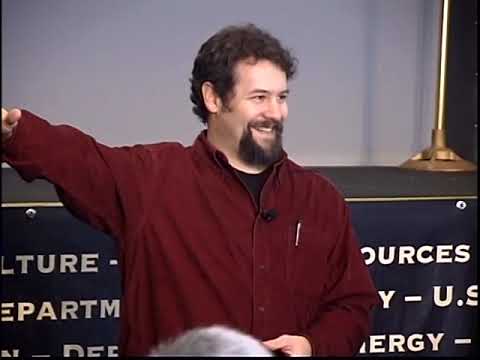
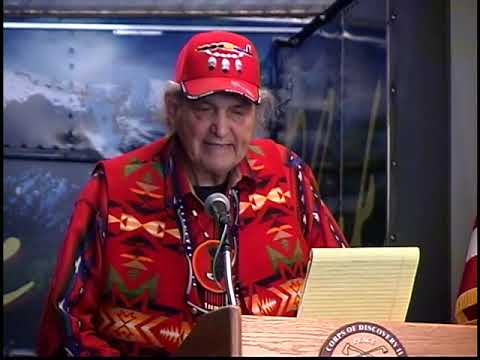
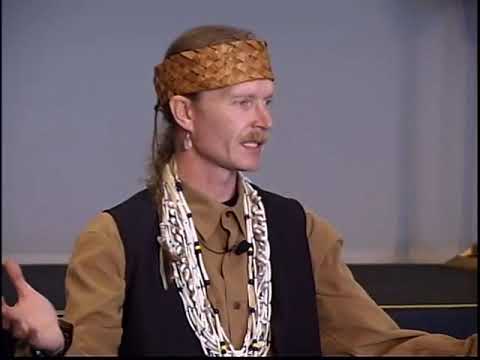
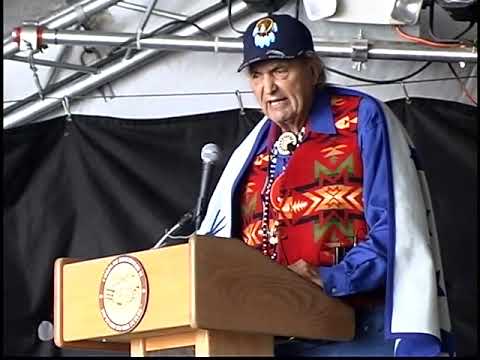
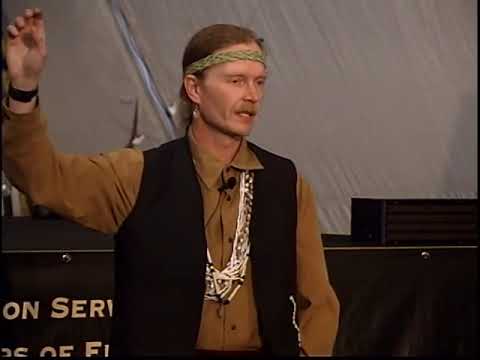
Tent of Many Voices (5)
 56:28
56:28
 49:01
49:01
 52:16
52:16
 47:26
47:26
 50:21
50:21
Journal Entries (134)


Cross-Narrator Analyses
Analyses that cite or discuss Clatsop — showing 24 of the most recent matches.
The Clatsop Nation: Hosts of the Corps’ Pacific Winter
A Nation Named on the MapThe Clatsop people, a Chinookan-speaking nation occupying the south side of the Columbia River near its mouth,…
A Scant Dependence: Dwindling Trade Goods and a New Fish at Fort Clatsop
The journal entries for March 16, 1806 offer an unusually clear window into the divided labor of the expedition's record-keeping. Four men…
A Uniform Coat for a Canoe: Departure Preparations at Fort Clatsop
The entries of March 17, 1806 capture the Corps of Discovery in the final, restless days before abandoning Fort Clatsop. Three narrators…
An Indifferent Canoe and a Laced Uniform Coat: Trade, Game, and Salmon Trout at Fort Clatsop
The journal entries for March 14, 1806, offer a useful case study in how four men sharing the same fort, the same…
Departure from Fort Clatsop: Two Sergeants Watch the Canoes Push Off
The Corps of Discovery left Fort Clatsop at one o'clock in the afternoon, ending a 106-day encampment on the Oregon coast and…
Four Elk, a Lost Foresight, and an Unwelcome Return at Fort Clatsop
The journal entries for March 15, 1806 offer a textbook case of how the four principal expedition narrators distributed their attention across…
Storm-Bound at Fort Clatsop: Four Ledgers of a Winter’s End
The journals of March 20, 1806 catch the Corps of Discovery in suspension. Violent wind and rain pin the party at Fort…
A Deserted Village and the Shrinking of the Quicksand
On 31 March 1806, the Corps of Discovery moved up the Columbia from their winter quarters at Fort Clatsop and encamped opposite…
A Pirogue Lost, a Portage Won: Four Voices on the Cascades
The events of April 12, 1806, near the Cascades of the Columbia are recorded by four members of the expedition: Captains Lewis…
Cows Roots, Sweat Lodges, and a Squawling Bird: Four Voices at Camp Chopunnish
The entries of May 28, 1806, offer a striking case study in how four members of the Corps of Discovery could share…
Deer Island: Four Narrators, One Snake-Covered Camp
The party's first full day of upriver travel after departing Fort Clatsop produced four journal entries describing the same camp on Deer…
Departing Fort Clatsop: Four Voices Ascend the Columbia
March 30, 1806, marks the expedition's first full day of upriver travel after departing Fort Clatsop. The four surviving journals from this…
Four Pens at Fort Clatsop: Departure Lists, Stolen Canoes, and a Sick Hunter
The journals for March 18, 1806 (mistakenly headed March 17 by Clark) capture Fort Clatsop in the final, fretful days before the…
Four Pens at Fort Clatsop: Routine Labor and the Calamet Eagle
March 12, 1806, at Fort Clatsop. Four published journals survive for the day in this corpus: Patrick Gass (1807, David McKeehan's prose),…
Four Pens, Four Registers: A Day of Hunger and Visitors at Fort Clatsop
The journal entries for March 21, 1806 offer one of the clearest demonstrations of how the four principal Fort Clatsop diarists divided…
Four Pens, One Sturgeon Camp: Ascending the Columbia
The expedition's second day ascending the Columbia after departing Fort Clatsop produced an unusually rich four-narrator record. Patrick Gass, John Ordway, William…
Four Voices on the Skillute Welcome: Hospitality, Ethnography, and the Cowlitz River
The entries for March 27, 1806 capture the Corps of Discovery a few days into its return ascent of the Columbia, halting…
Last Hours at Fort Clatsop: Four Pens on the Eve of Departure
The 22nd of March 1806 was the last full day the Corps of Discovery would spend at Fort Clatsop. Four narrators recorded…
Moccasins, Salmon, and a Lost Pirogue: Four Voices at Fort Clatsop
The journal entries for March 13, 1806 offer an unusually clear window into how the Corps of Discovery distributed its observational labor…
Shells Mistaken for Teeth: Four Voices Leaving Fort Clatsop
March 24, 1806 marks the expedition's first full day ascending the Columbia after the departure from Fort Clatsop. All four journalists —…
The Missing River: Four Journals Reckon with a Geographic Puzzle
The expedition's first full day after departing Fort Clatsop produced a geographic realization of the return. While hunters fanned out across the…
Three Pens at Fort Clatsop: Weather, Gratitude, and an Ethnographic Set Piece
The entries for March 19, 1806 offer one of the clearest illustrations in the expedition record of how differently the three journal-keepers…
Tobacco Running Short, Eagles in Hand: Four Voices on the Columbia’s Return
March 26, 1806, found the Corps of Discovery pushing up the Columbia from the vicinity of Fort Clatsop, delayed at dawn by…
Windbound Below the Cascades: Four Voices on a Day of Forced Delay
The expedition's upstream journey through the Cascades of the Columbia stalled on April 8, 1806, when a northeast gale forced the men…
From the Heacock Memorial Archive
11 lewis-clark.org articles that mention Clatsop, preserved here for Robert Heacock’s photography. The articles were written by that site’s contributing authors.
The Wahkiakums
The Salt Works
Making salt from ocean water
Alcohol Rations
Ardent spirits on the expedition
A Solitary Hero
Excerpt from River of Promise
January 8, 1806
A night at Ecola
February 8, 1806
Bringing in the elk
December 30, 1805
Fair morning
January 3, 1806
An agreeable food
April 3, 1806
Mapping the Willamette River
November 27, 1805
Sheltering at Tongue Point
March 27, 1806
Generous Skilloots
Your Nation, your story
Are you a representative or member of this Nation? Help us tell this story accurately: review how your Nation is represented, correct the record, or contribute materials and perspective.


