Lewis: February 15, 1806
Saturday February 15th 1806. Drewyer and Whitehouse set out this morning
on a hunting excurtion towards the praries of Point Adams. we have heard
our hunters over the Netul fire several shot today, but have had no
account from them as yet. about 3 P.M. Bratton arrived from the salt works
and informed us that Sergt. Pryor and party were on their way with Gibson
who is so much reduced that he cannot stand alone and that they are
obliged to carry him in a litter. Bratton himself appears much reduced
with his late indisposition but is now recovering fast. Bratton informed
that the cause of Sergt. Pryor’s delay was attributeable to the winds
which had been so violent for several days as to render it impossible to
get a canoe up the creek to the point where it was necessary to pass with
Gibson. the S. W. winds are frequently very violent on the coast when we
are but little sensible of them at Fort Clatsop. in consequence of the
lofty and thickly timbered fir country which surrounds us on that quarter
from the South to the North East.
after dark Sergt. Pryor arrived with Gibson. we are much pleased in
finding him by no means as ill as we had expected. we do no conceive him
in danger by any means, tho he has yet a fever and is much reduced. we
beleive his disorder to have orriginated in a violent cold which he
contracted in hunting and pursuing Elk and other game through the swams
and marshes about the salt works. he is nearly free from pain tho a
gooddeel reduced and very languid. we gave him broken dozes of diluted
nitre and made him drink plentifully of sage tea, had his feet bathed in
warm water and at 9 P.M. gave him 35 drops of laudanum.
The quadrupeds of this country from the Rocky Mountains to the pacific
Ocean are 1st the domestic animals, consisting of the horse and the dog
only; 2cdly the native wild animals, consisting of the Brown white or
grizly bear, (which I beleive to be the same family with a mearly
accedental difference in point of colour) the black bear, the common red
deer, the black tailed fallow deer, the Mule deer, Elk, the large brown
wolf, the small woolf of the plains, the large wolf of the plains, the
tiger cat, the common red fox, black fox or fisher, silver fox, large red
fox of the plains, small fox of the plains or kit fox, Antelope, sheep,
beaver, common otter, sea Otter, mink, spuck, seal, racoon, large grey
squirrel, small brown squirrel, small grey squirrel, ground squirrel,
sewelel, Braro, rat, mouse, mole, Panther, hare, rabbit, and polecat or
skunk. all of which shall be severally noticed in the order in which they
occur as well as shuch others as I learn do exist and which not been here
recapitulated. The horse is confined principally to the nations inhabiting
the great plains of Columbia extending from Latitude 40° to 50° N. and
occuping the tract of country lying between the rocky mountains and a
range of Mountains which pass the columbia river about the great falls or
from Longitude 116 to 121 West. in this extesive tract of principally
untimbered country so far as we have leant the following nations reside
(viz) the Sosone or snake Indians, the Chopunnish, sokulks, Cutssahnims,
Chymnapums, Ehelutes, Eneshuh & Chilluckkittequaws. all of whom enjoy
the bennefit of that docile, generous and valuable anamal the horse, and
all of them except the three last have immence numbers of them. Their
horses appear to be of an excellent race; they are lofty eligantly formed
active and durable; in short many of them look like the fine English
coarsers and would make a figure in any country. some of those horses are
pided with large spots of white irregularly scattered and intermixed with
the black brown bey or some other dark colour, but much the larger portion
are of an uniform colour with stars snips and white feet, or in this
rispect marked much like our best blooded horses in virginia, which they
resemble as well in fleetness and bottom as in form and colours. the
natives suffer them to run at large in the plains, the grass of which
furnishes them with their only subsistence their masters taking no trouble
to lay in a winters store for them, but they even keep fat if not much
used on the dry grass of the plains during the winter. no rain scarcely
ever falls in these plains and the grass is short and but thin. The
natives appear to take no pains in scelecting their male horses from which
they breed, in short those of that discription which I have noticed
appeared much the most indifferent. whether the horse was orrigeonally a
native of this country or not it is out of my power to determine as we can
not understand the language of the natives sufficiently to ask the
question. at all events the country and climate appears well adapted to
this anamal. horses are said to be found wild in many parts of this
extensive plain country. the several tribes of Sosones who reside towards
Mexico on the waters of Clark’s river or particularly one of them called
Sh&-bo-bo-ah have also a great number of mules, which among the
Indians I find are much more highly prized than horses. an eligant horse
may be purchased of the natives in this country for a lew peads or other
paltry trinkets which in the U States would not cost more than one or two
dollars. This abundance and cheapness of horses will be extremely
advantageous to those who may hereafter attemt the fir trade to the East
Indies by way of the Columbia river and the Pacific Ocean.the mules
in the possession of the Indians are principally stolen from the Spaniards
of Mexeco; they appear to be large and fine such as we have seen. Among
the Sosones of the upper part of the S. E. fork of the Columbia we saw
several horses with spanish brands on them which we supposed had been
stolen from the inhabitants of Mexeco.
Entities mentioned in this entry
Auto-extracted from the entry text. Hover any entity for context.
Terrain360 · the place today
Fort Clatsop, winter quarters in 360°
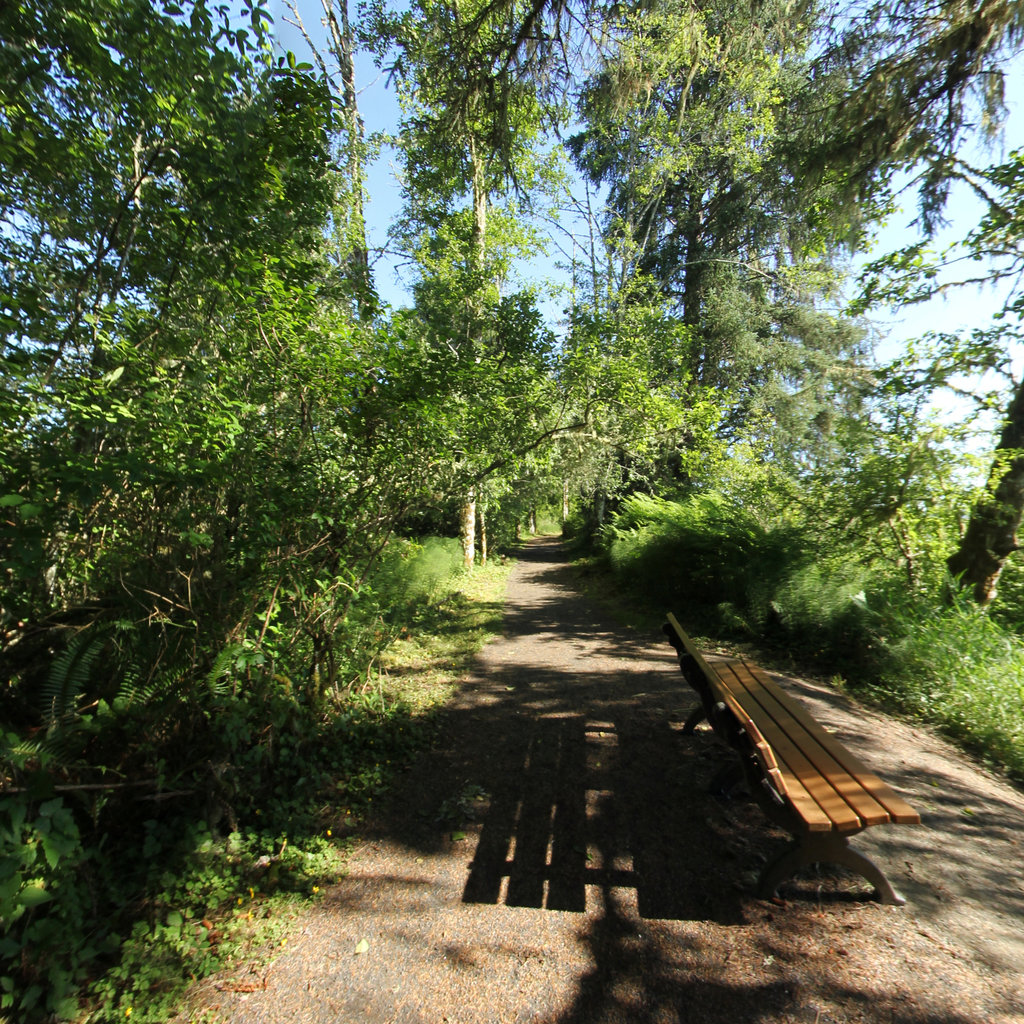
10 frames across 0.8 mi of the route around this location
Analyses
- Gibson Carried Home: Three Voices on a Sick Man’s Return to Fort Clatsop
- William Bratton: Hunter, Saltmaker, and Patient of the Corps of Discovery
- Seaman: Lewis’s Newfoundland and the Fourth Member of the Corps
- The Shoshone Nation: Sacagawea’s People and the Horse Trade
- The Nez Perce (Chopunnish): Allies of the Bitterroot and Kooskooske
- Sergeant Nathaniel Pryor: A Steady Hand of the Corps of Discovery
Artwork
Help improve this record
See something that needs correcting, or know a source we are missing? The archive gets better through its readers.


