Lewis: January 25, 1806
Sunday January 25th 1806. Commowooll and the Clatsops departed early this
morning. At meridian Colter returned and repoted that his comrade hunter
Willard had continued his hunt from point Adams towards the salt makers;
and that they had killed only those two deer which the Indians brought
yesterday. In the evening Collins one of the saltmakers returned and
reported that they had mad about one bushel of salt & that himself and
two others had hunted from the salt camp for five days without killing any
thing and they had been obliged to subsist on some whale which they
procured from the natives.
The native fruits and buries in uce among the Indians of this
neighbourhood are a deep purple burry about the size of a small cherry
called by them Shal-lun, a small pale red bury called Sol’-me; the vineing
or low Crambury, a light brown bury reather larger and much the shape of
the black haw; and a scarlet bury about the size of a small cherry the
plant called by the Canadin Engages of the N. W. sac a commis produces
this bury; this plant is so called from the circumstance of the Clerks of
those trading companies carrying the leaves of this plant in a small bag
for the purpose of smokeing of which they are excessively fond. the
Indians call this bury ____
I have lately learned that the natives whome I have heretofore named as
distinct nations, living on the sea coast S. E. of the Killamucks, are
only bands of that numerous nation, which continues to extend itself much
further on that coast than I have enumerated them, but of the particular
appellations of those distant bands I have not yet been enabled to inform
myself; their language also is somewhat different from the Clatsops
Chinnooks and Cathlahmahs; but I have not yet obtaind a vocabulary which I
shall do the first oportunity which offers.
Entities mentioned in this entry
Auto-extracted from the entry text. Hover any entity for context.
Terrain360 · the place today
Fort Clatsop, winter quarters in 360°
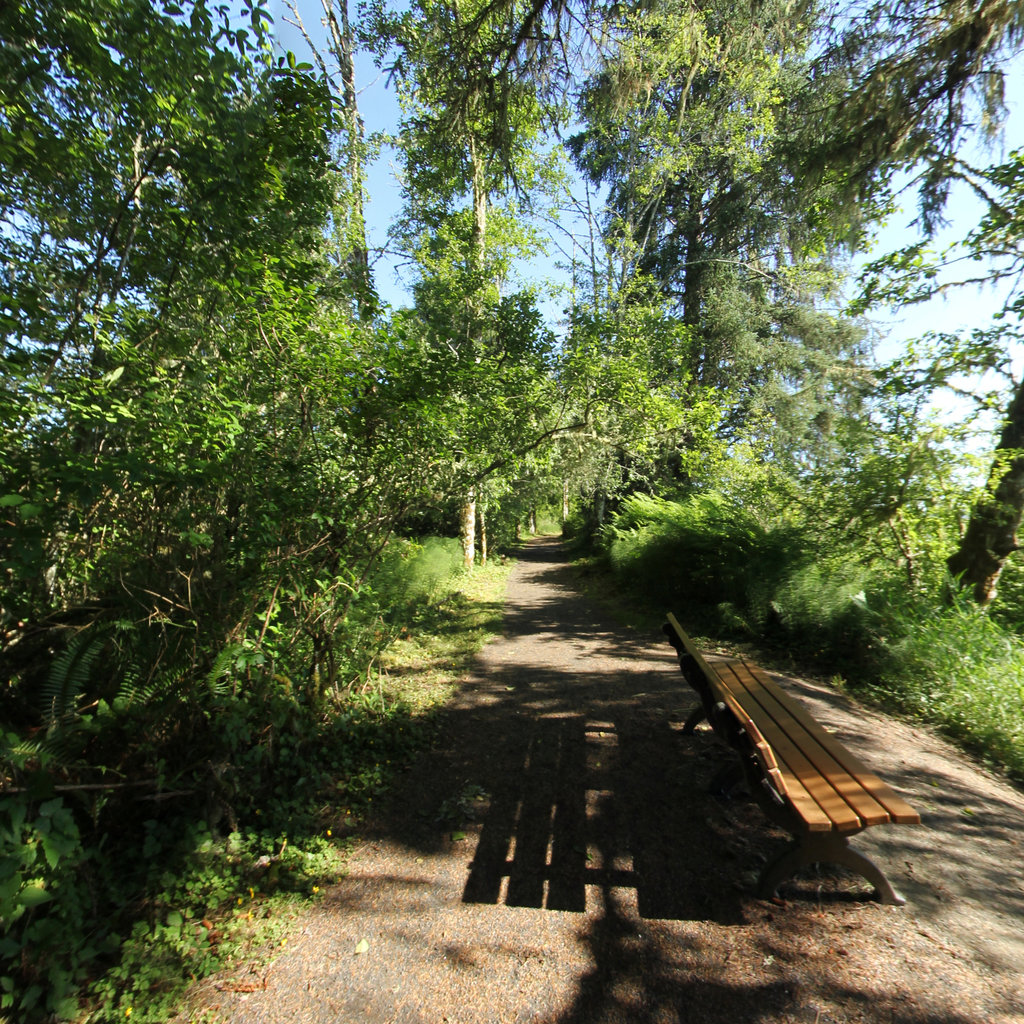
10 frames across 0.8 mi of the route around this location
Analyses
- Empty Hands at the Salt Camp: Hunger, Berries, and the Mechanics of Co-Authorship
- The Tillamook (Killamuck): Coastal Neighbors of Fort Clatsop
- John Colter: The Hunter Who Walked Away From Home
- The Clatsop Nation: Hosts of the Corps’ Pacific Winter
- The Captain’s Eye: Meriwether Lewis as Naturalist, Quartermaster, and Reluctant Diarist
Artwork
Help improve this record
See something that needs correcting, or know a source we are missing? The archive gets better through its readers.


