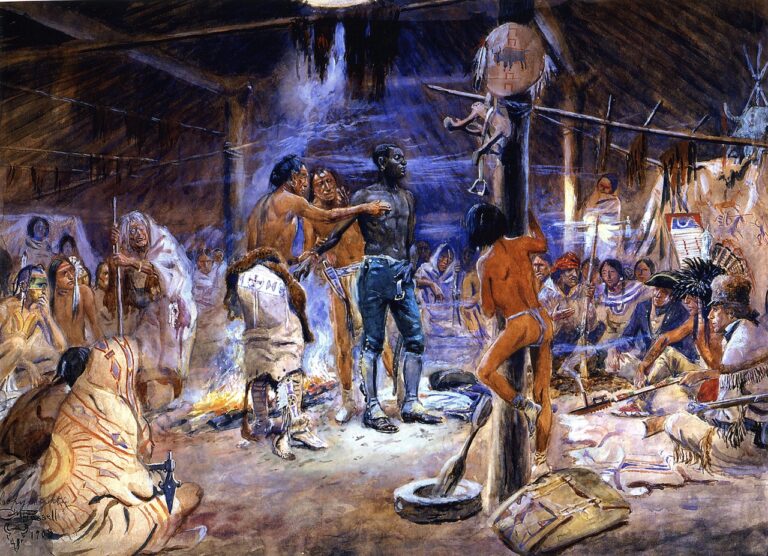
Mandan
The Mandan were a Siouan-speaking people who lived in fortified earth-lodge villages along the Missouri River in present-day central North Dakota, and they served as the epicenter of a vast intertribal trade network linking the northern Plains, Rocky Mountains, and Great Lakes. Lewis and Clark arrived at the Mandan villages in late October 1804 and built Fort Mandan nearby, spending the winter of 1804–1805 in what became the expedition's longest and most productive encampment. The Mandan were gracious hosts, sophisticated diplomats, and experienced traders whose knowledge of regional geography, intertribal politics, and western territories was indispensable to the expedition's planning. Their agricultural economy—centered on corn, beans, squash, and sunflowers—supported a complex ceremonial life including the Okipa ceremony, though their population had been catastrophically reduced by smallpox in 1781 and would be nearly annihilated by the epidemic of 1837.
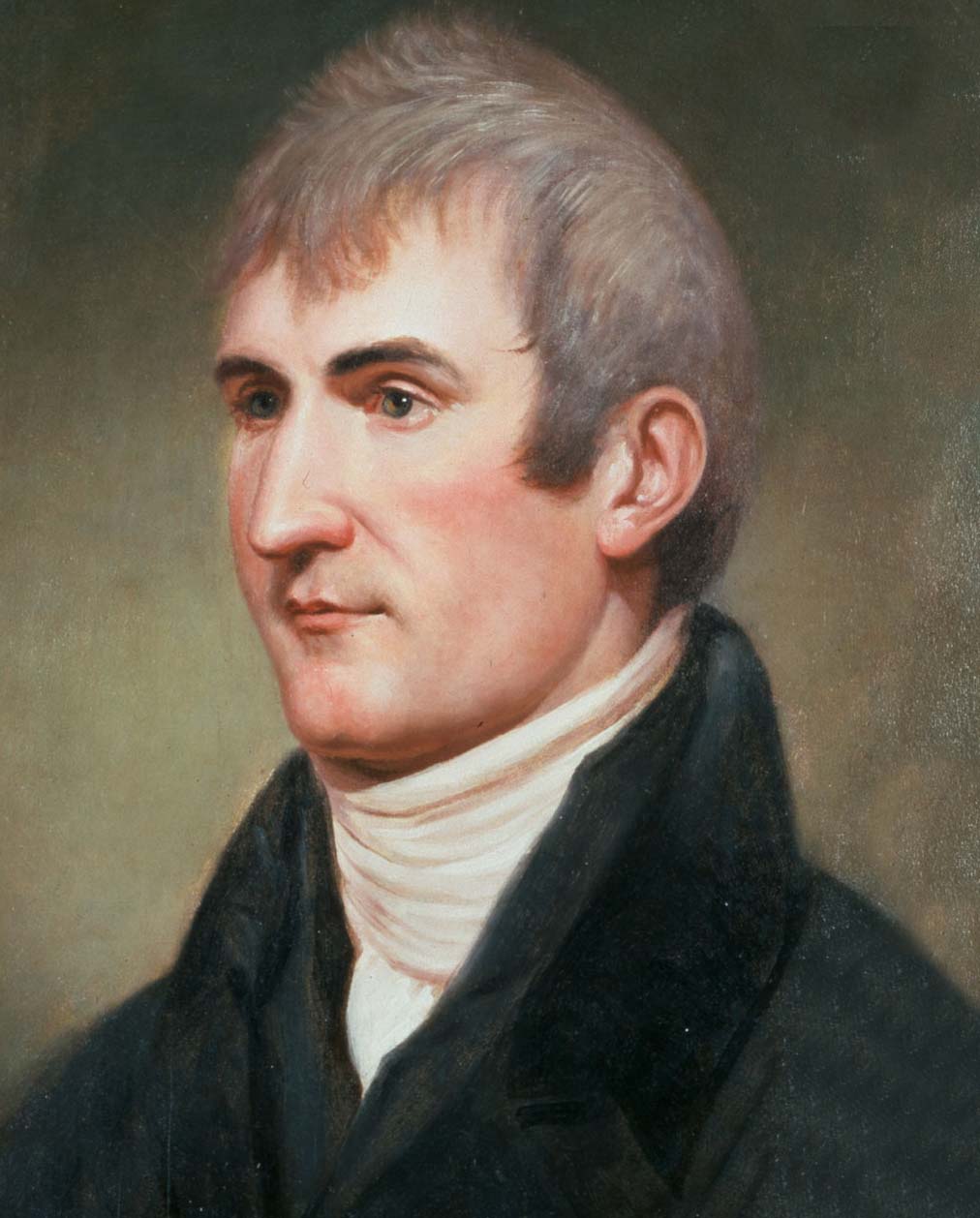
Portrait: Wikimedia Commons via York in the Lodge of the Mandans
Most Mentioned in Mandan-tagged Entries
People
- Capt. Lewis (63)
- Capt. Clark (52)
- Drouillard (24)
- Charbonneau (18)
- Big White (15)
- Black Cat (13)
- Nathaniel Pryor (13)
- Shields (12)
- Sacagawea (12)
- Patrick Gass (12)
Places
- Fort Mandan (73)
- Missouri River (71)
- Rocky Mountains (19)
- St. Louis (12)
- Mandan villages (9)
- Columbia River (9)
- Marias River (9)
- Mandans (6)
- Pacific Ocean (5)
- Illinois (5)
Biography
The Mandan were a sedentary agricultural people living in earth-lodge villages along the Missouri River in present-day North Dakota. The expedition built Fort Mandan near their villages and spent the winter of 1804-1805 among them — the longest the Corps stayed with any single people.
The Mandan villages were a great trade center of the Northern Plains, where goods from as far as the Pacific coast and Hudson Bay were exchanged. Their population was approximately 4,500 when the expedition arrived, though they had been severely reduced by earlier smallpox epidemics.
The Mandan provided food, shelter, and critical geographic information about the route ahead. Their detailed maps of the upper Missouri and its tributaries proved remarkably accurate. It was at the Mandan villages that Charbonneau and Sacagawea joined the expedition.
Chief Sheheke (Big White) later traveled to Washington, D.C. at the expedition’s invitation — a journey that would become an ordeal lasting three years due to Arikara hostility that prevented his return upriver. The Mandan suffered catastrophically from a smallpox epidemic in 1837 that reduced their population from approximately 1,600 to just 125 people.
Territory & Encounter Locations
Note: the longest gap between tagged appearances is about 4 months (May 20, 1804 → Sep 11, 1804). No journal entries during that window were explicitly tagged with this nation.
Treaties (3)
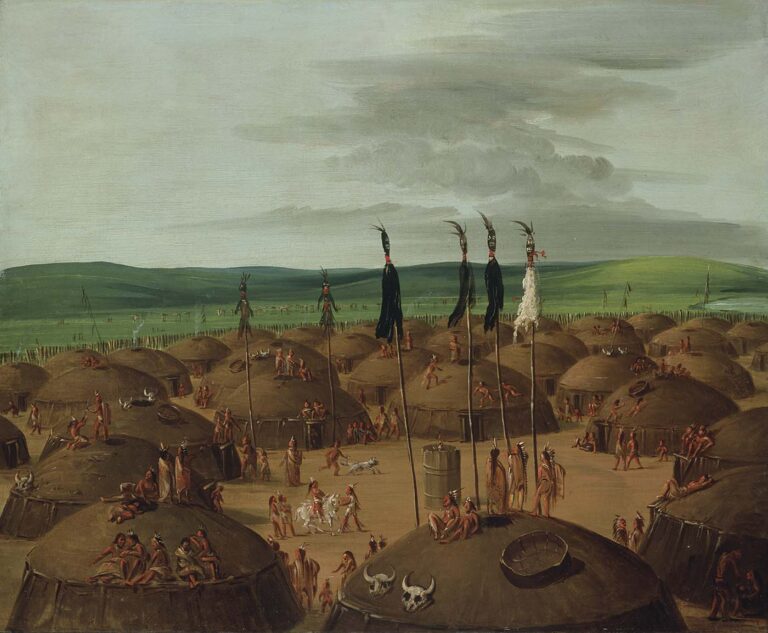
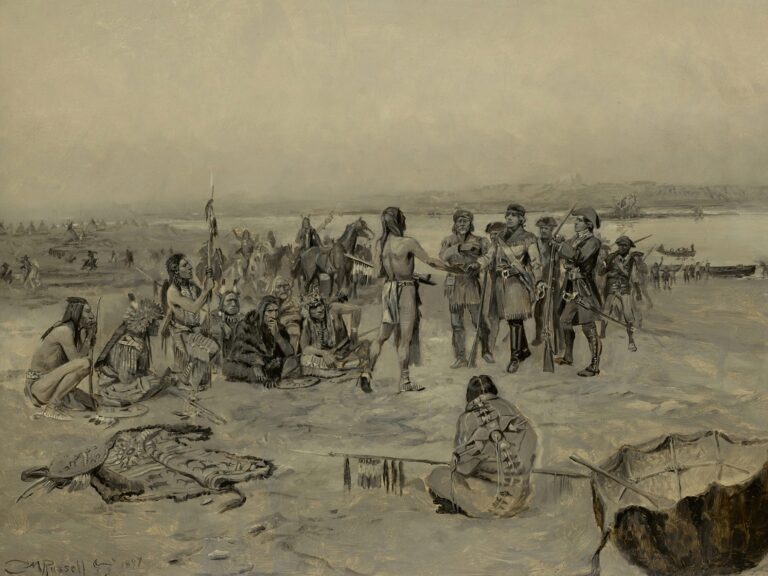
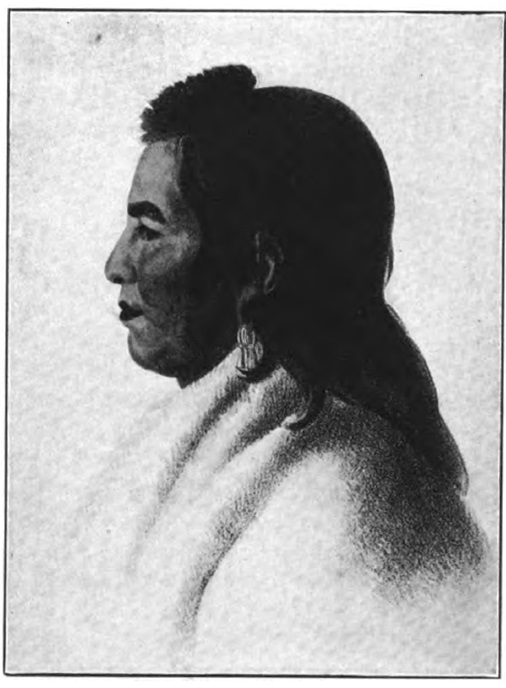
Art (8)
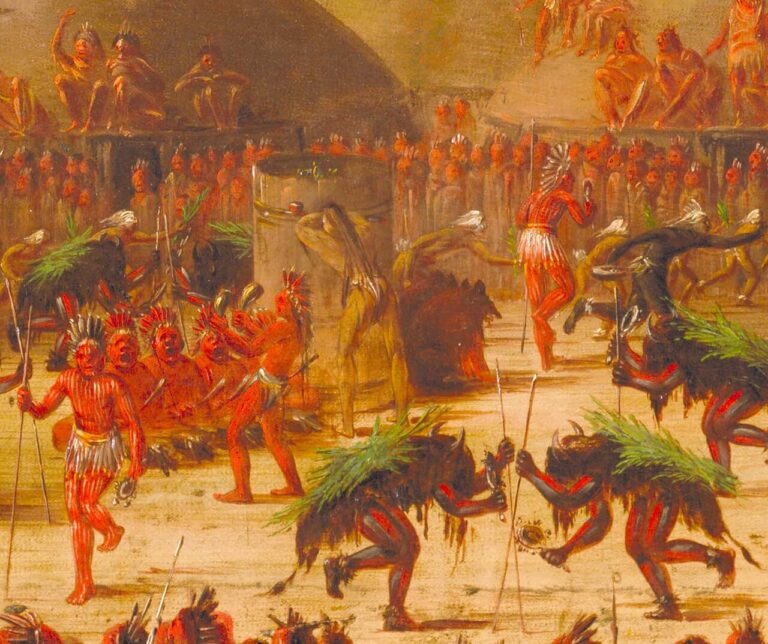
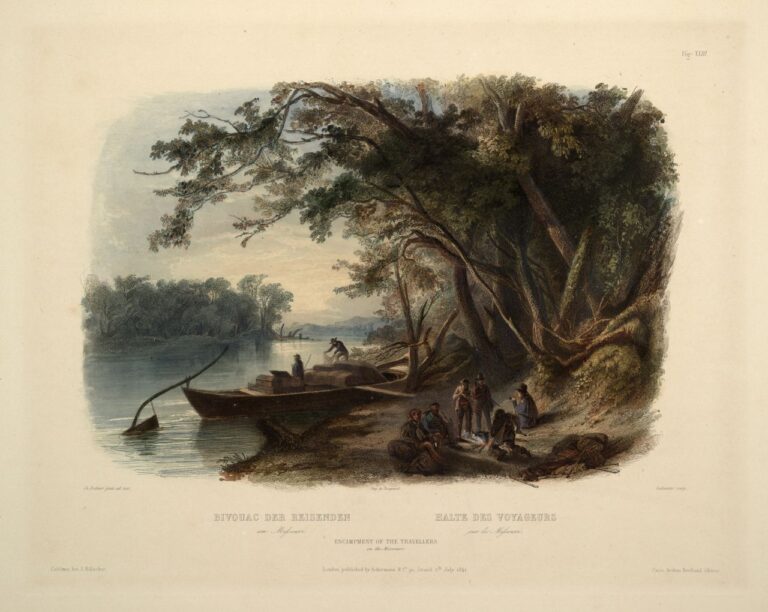
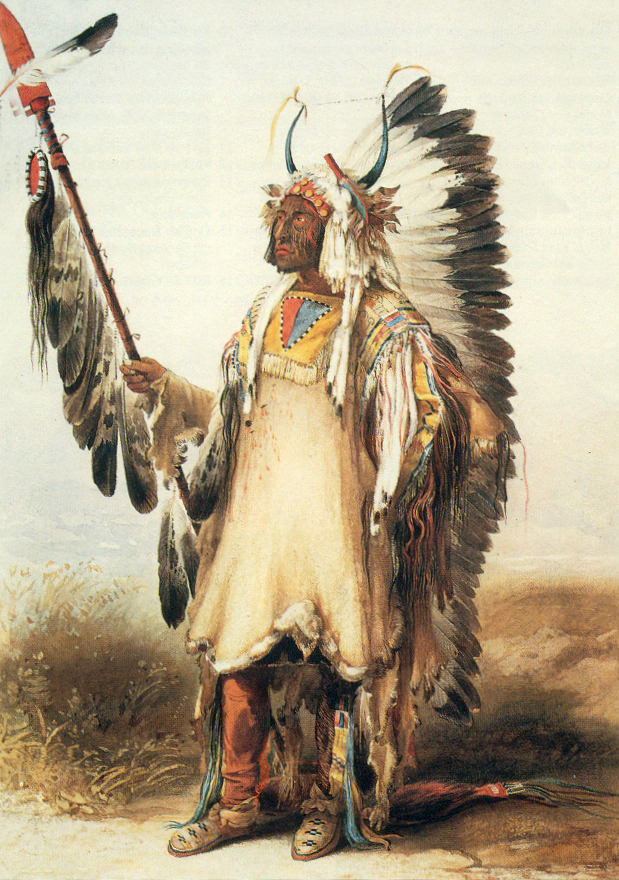
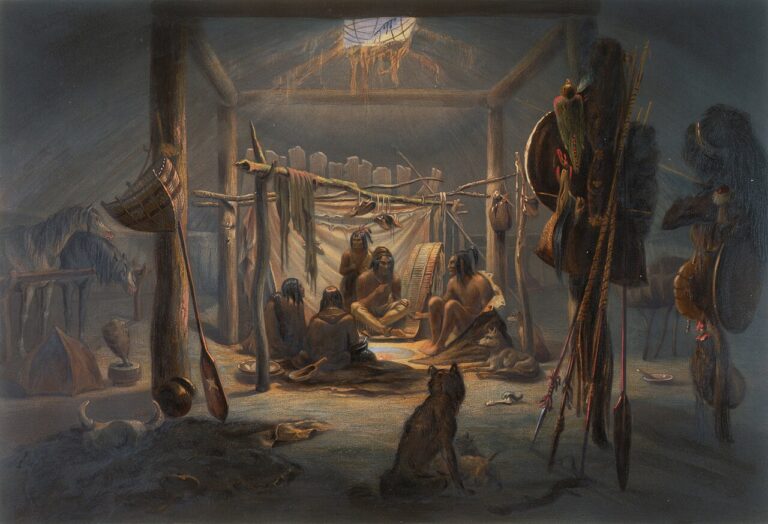
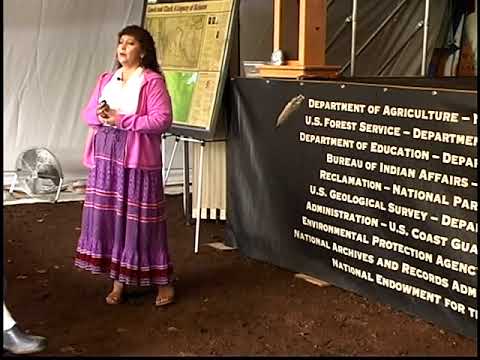
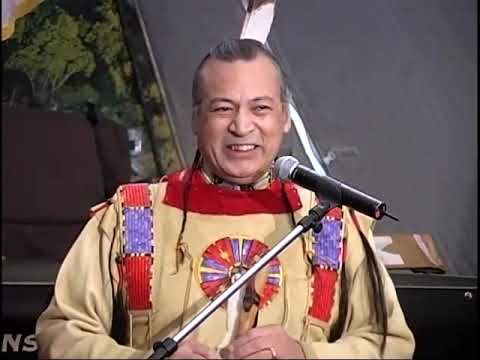
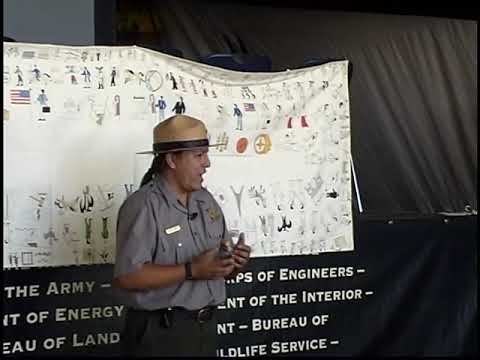
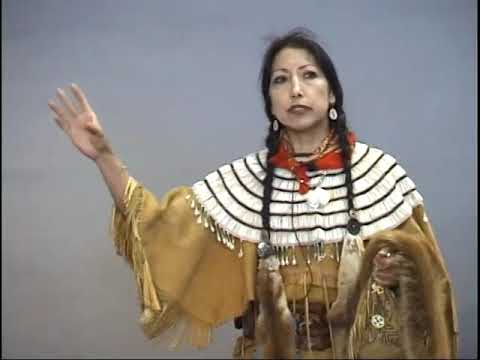
Tent of Many Voices (19)
 22:34
22:34
 46:36
46:36
 45:33
45:33
 42:22
42:22
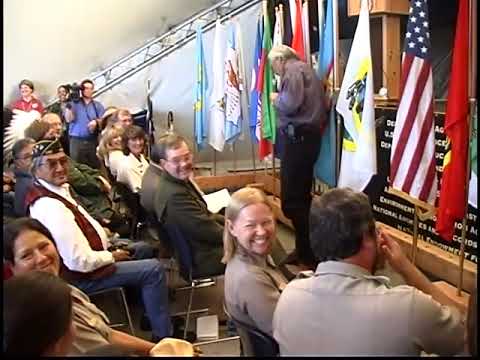 26:22
26:22
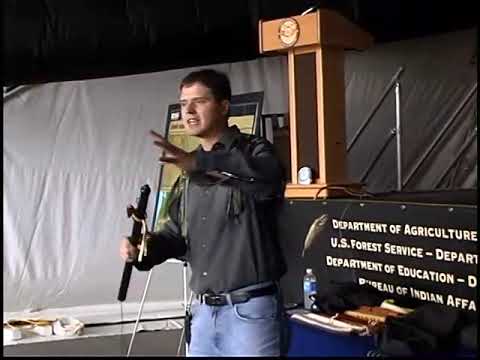 47:30
47:30
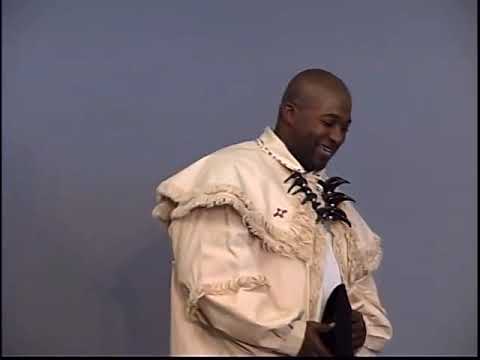 49:59
49:59
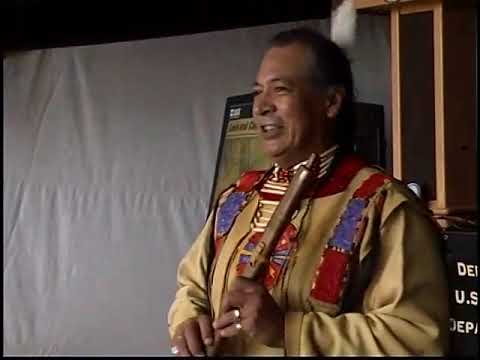 51:37
51:37
 57:43
57:43
 45:43
45:43
 60:10
60:10
 49:34
49:34
 44:08
44:08
 37:07
37:07
 47:56
47:56
 54:42
54:42
 46:20
46:20
 48:52
48:52
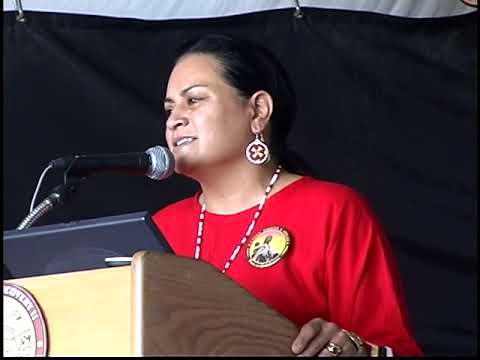 29:40
29:40
Journal Entries (247)



Cross-Narrator Analyses
Analyses that cite or discuss Mandan — showing 24 of the most recent matches.
The Mandan Nation: Heart of the Upper Missouri
First Encounter on the Upper MissouriBy the time the Corps of Discovery reached the earth-lodge towns near present-day Washburn, North Dakota, in…
Return to the Mandan Villages: Three Registers of a Reunion
The Corps of Discovery's August 14, 1806 arrival at the Knife River villages marks one of the expedition's most emotionally charged reunions.…
The Sioux in the Road: Why No Mandan Chief Would Travel to Washington
The entries of August 15, 1806, written near the Mandan villages on the return journey, reveal a stark divergence in narrative scope.…
Two Departures at the Mandan Villages: Colter Turns Back, Sheheke Heads East
The entries of Patrick Gass and John Ordway for August 17, 1806, document the same sequence of events near the Mandan villages:…
A Grape Vine to the Sky: Three Versions of an August Day on the Missouri
The journal entries for 18 August 1806 offer one of the more striking examples of register disparity in the expedition's late phase.…
A Keg, Nine Yanktons, and the Ghost of the Teton Standoff
The September 1, 1806 entries from William Clark, John Ordway, and Patrick Gass describe a single tense encounter near the mouth of…
A Midnight Squall on the Sand Bar: Three Versions of a Stormy Night
The night of August 30-31, 1806 produced one of the more dangerous weather events of the expedition's return descent of the Missouri:…
A Swivel Gun, a Chief’s Departure, and Three Ledgers of the Same Day
The entries of Patrick Gass, John Ordway, and William Clark for August 16, 1806, all describe the same hours at the Mandan…
A Trader’s Generosity and a Sergeant’s Disturbed Grave
The entries of September 4, 1806, find the Corps of Discovery descending the Missouri near the abandoned Omaha (Maha) village, soaked from…
Bare Men, Bullboats, and a Wolf in the Night
The eighth of August 1806 finds the expedition still divided. Meriwether Lewis is descending the Missouri in pursuit of William Clark, who…
Eighty-Six Miles on a Stiff Breeze: Three Versions of a Single August Day
By mid-August 1806, the Corps of Discovery had reunited and was descending the Missouri at remarkable speed, propelled by current, oars, and…
First Whiskey Since July 1805: An Encounter with Chouteau’s Trading Boat
The meeting between the homeward-bound Corps of Discovery and a Missouri River trading boat on 6 September 1806 produced a rare alignment…
News from the States: The Encounter with McClellan’s Keel Boat
The meeting between the homeward-bound Corps of Discovery and Robert McClellan's trading expedition near St. Michael's Prairie produced three distinct accounts on…
Parting at the Arikara Village: Diplomacy, Departure, and Two Registers of the Same Day
August 22, 1806, finds the Corps of Discovery breaking camp at an Arikara village during their rapid downstream return. Two narrators describe…
Return to Pleasant Camp: Specimen Hunting and the Bounty of Plums
The expedition's return down the Missouri brought the Corps of Discovery, on August 28, 1806, to a familiar bend of the river…
Reunion at the Confluence: Four Pens Record a Long-Awaited Meeting
The reunion of the Corps of Discovery on August 12, 1806, marks one of the expedition's most narratively rich moments, in part…
Sand, Wind, and a Borrowed Lodge: Three Voices on a Storm-Bound Day
The entries of Patrick Gass, John Ordway, and William Clark for August 19, 1806 share a common armature: a violent wind that…
Three Boats on the Homeward River: Traders, Licenses, and a Suspect Passport
On 16 September 1806, the Corps of Discovery — by now well into its homeward descent of the Missouri — encountered a…
Three Camps, One Day: Divergent Trails on the Marias and Yellowstone
By late July 1806 the Corps of Discovery was scattered across hundreds of miles of plains and mountain country. The journal entries…
Three Frenchmen, a Medal Refused, and the Cheyennes at the Arikara Villages
The expedition's August 21, 1806 arrival at the Arikara villages produced three overlapping accounts that, read together, illuminate how the Corps' narrators…
Three Voices at the Big Bend: Hunting, Geography, and a Captain’s Relapse
The entries of Patrick Gass, John Ordway, and William Clark for August 27, 1806, all describe the same stretch of the Missouri:…
Two Camps, Two Registers: Skins, Goose Berries, and a Missing Pair
The August 9, 1806 entries capture the Corps of Discovery still bisected, with Captain Lewis encamped upriver mending clothes and waiting, and…
Two Camps, Two Worlds: Canoes on the Yellowstone, Salt Plains on the Marias
The journals of July 20, 1806, capture the Corps of Discovery at its most geographically fractured. William Clark and his detachment labored…
Two Rivers, Two Captains: The Divided Corps on a Day of Buffalo and Beaver
By July 11, 1806, the Corps of Discovery had split into separate detachments to explore different routes on the homeward journey. Meriwether…
From the Heacock Memorial Archive
10 lewis-clark.org articles that mention Mandan, preserved here for Robert Heacock’s photography. The articles were written by that site’s contributing authors.
The Wahkiakums
Rattlesnakes
Crotalus sp.
John Newman
Private
William Clark (1784–1838)
Alcohol Rations
Ardent spirits on the expedition
A Solitary Hero
Excerpt from River of Promise
December 7, 1803
Cahokia arrivals
November 3, 1805
The "Quick Sand" River
October 21, 1805
Columbia River rapids
May 16, 1804
St. Charles arrival
Your Nation, your story
Are you a representative or member of this Nation? Help us tell this story accurately: review how your Nation is represented, correct the record, or contribute materials and perspective.


