Lewis: June 8, 1805
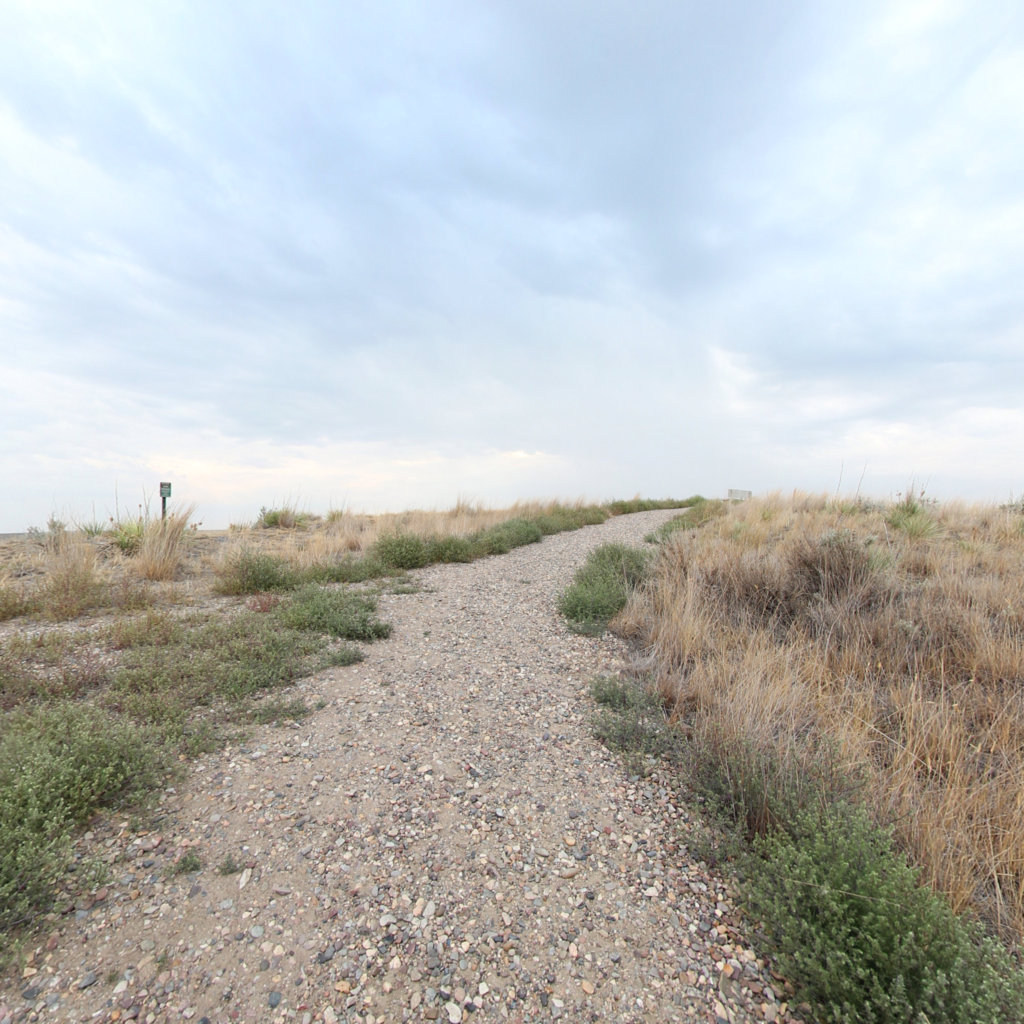
After overnight rain, the morning cleared and the party broke camp at sunrise, continuing down the river bottoms through mud and past dangerous bluffs, while Lewis noted the abundance of songbirds in the timber. Convinced this northern fork was not the Missouri, Lewis named it Maria's River in honor of Miss Maria Wood, predicting its commercial and political importance. He reached camp around 5 p.m., reuniting with a worried Captain Clark, having killed four deer and two antelope. The men shared a dram, and Lewis questioned the accuracy of mapmaker Fidler's earlier observations.
Saturday June 8th 1805 It continued to rain moderately all last night this
morning was cloudy untill about ten oClock when it cleared off and became
a fine day. we breakfasted and set out about sunrise and continued our
rout down the river bottoms through the mud and water as yesterday, tho
the road was somewhat better than yesterday and we were not so often
compelled to wade in the river. we passed some dangerous and difficult
bluffs. The river bottoms affording all the timber which is to be seen in
the country they are filled with innumerable litle birds that resort
thither either for shelter or to build their nests. when sun began to
shine today these birds appeared to be very gay and sung most
inchantingly; I observed among them the brown thrush, Robbin, turtle dove,
linnit goaldfinch, the large and small blackbird, wren and several other
birds of less note. some of the inhabitants of the praries also take
reffuge in these woods at night or from a storm. The whole of my party to
a man except myself were fully peswaided that this river was the Missouri,
but being fully of opinion that it was neither the main stream or that
which it would be advisable for us to take, I determined to give it a name
and in honour of Miss Maria W-d. called it Maria’s River. it is true that
the hue of the waters of this turbulent and troubled stream but illy
comport with the pure celestial virtues and amiable qualifications of that
lovely fair one; but on the other hand it is a noble river; one destined
to become in my opinion an object of contention between the two great
powers of America and Great Britin with rispect to the adjustment of the
North westwardly boundary of the former; and that it will become one of
the most interesting brances of the Missouri in a commercial point of
view, I have but little doubt, as it abounds with anamals of the fur kind,
and most probably furnishes a safe and direct communication to that
productive country of valuable furs exclusively enjoyed at present by the
subjects of his Britanic Majesty; in adition to which it passes through a
rich fertile and one of the most beatifully picteresque countries that I
ever beheld, through the wide expance of which, innumerable herds of
living anamals are seen, it’s borders garnished with one continued garden
of roses, while it’s lofty and open forrests, are the habitation of
miriads of the feathered tribes who salute the ear of the passing traveler
with their wild and simple, yet sweet and cheerfull melody.I
arrived at camp about 5 OClock in the evening much fatiegued, where I
found Capt. Clark and the ballance of the party waiting our return with
some anxiety for our safety having been absent near two days longer than
we had engaged to return. on our way to camp we had killed 4 deer and two
Antelopes; the skins of which as well as those we killed while on the rout
we brought with us. Maria’s river may be stated generally from sixty to a
hundred yards wide, with a strong and steady current and possessing 5 feet
water in the most sholly parts.
As the incidents which occurred Capt. C. during his rout will be more
fully and satisfactoryley expressed by himself I here insert a copy of his
journal during the days we wer seperated.-
I now gave myself this evening to rest from my labours, took a drink of
grog and gave the men who had accompanyed me each a dram. Capt. Clark
ploted the courses of the two rivers as far as we had ascended them. I now
began more than ever to suspect the varacity of Mr. Fidler or the
correctness of his instruments. for I see that Arrasmith in his late map
of N. America has laid down a remarkable mountain in the chain of the
Rocky mountains called the tooth nearly as far South as Latitude 45°, and
this is said to be from the discoveries of Mr. Fidler? we are now within a
hundred miles of the Rocky Mountains, and I find from my observation of
the 3rd Inst that the latitude of this place is 47° 24′ 12.8″. the river
must therefore turn much to the South, between this and the rocky Mountain
to have permitted Mr. Fidler to have passed along the Eastern border of
these mountains as far S. as nearly 45° without even seeing it. but from
hence as far as Capt. C. had ascended the S. fork or Missouri being the
distance of 55 miles it’s course is S. 29°W. and it still appeared to bear
considerably to the W. of South as far as he could see it. I think
therefore that we shall find that the Missouri enters the rocky mountains
to the North of 45°we did take the liberty of placing his
discoveries or at least the Southern extremity of them about a degree
further N. in the sketh which we sent on to the government this spring
mearly from the Indian information of the bearing from Fort Mandan of the
entrance of the Missouri into the Rocky Mountains, and I reather suspect
that actual observation will take him at least one other degree further
North. The general Course of Maria’s river from hence to the extremity of
the last course taken by Sergt. pryor is N 69° W. 59 mes.
Read this entry in modern English AI-translated
Saturday June 8th 1805. It continued to rain moderately all last night. This morning was cloudy until about ten o'clock, when it cleared off and became a fine day. We breakfasted and set out about sunrise and continued our route down the river bottoms through the mud and water as yesterday, though the road was somewhat better than yesterday and we were not so often compelled to wade in the river. We passed some dangerous and difficult bluffs.
The river bottoms, affording all the timber which is to be seen in the country, are filled with innumerable little birds that resort there either for shelter or to build their nests. When the sun began to shine today, these birds appeared to be very gay and sang most enchantingly. I observed among them the brown thrush, robin, turtle dove, linnet, goldfinch, the large and small blackbird, wren, and several other birds of less note. Some of the inhabitants of the prairies also take refuge in these woods at night or from a storm.
The whole of my party to a man, except myself, were fully persuaded that this river was the Missouri, but being fully of the opinion that it was neither the main stream nor that which it would be advisable for us to take, I determined to give it a name, and in honor of Miss Maria W—d. called it Maria's River. It is true that the hue of the waters of this turbulent and troubled stream but ill comports with the pure celestial virtues and amiable qualifications of that lovely fair one; but on the other hand, it is a noble river, one destined to become in my opinion an object of contention between the two great powers of America and Great Britain with respect to the adjustment of the northwestward boundary of the former. And that it will become one of the most interesting branches of the Missouri in a commercial point of view, I have but little doubt, as it abounds with animals of the fur kind, and most probably furnishes a safe and direct communication to that productive country of valuable furs exclusively enjoyed at present by the subjects of His Britannic Majesty. In addition to which, it passes through a rich, fertile, and one of the most beautifully picturesque countries that I ever beheld, through the wide expanse of which innumerable herds of living animals are seen, its borders garnished with one continued garden of roses, while its lofty and open forests are the habitation of myriads of the feathered tribes, who salute the ear of the passing traveler with their wild and simple, yet sweet and cheerful melody.
I arrived at camp about 5 o'clock in the evening much fatigued, where I found Capt. Clark and the balance of the party waiting our return with some anxiety for our safety, having been absent nearly two days longer than we had engaged to return. On our way to camp we had killed 4 deer and two antelopes, the skins of which, as well as those we killed while on the route, we brought with us. Maria's River may be stated generally from sixty to a hundred yards wide, with a strong and steady current, and possessing 5 feet of water in the most shallow parts.
As the incidents which occurred to Capt. C. during his route will be more fully and satisfactorily expressed by himself, I here insert a copy of his journal during the days we were separated.
I now gave myself this evening to rest from my labors, took a drink of grog, and gave the men who had accompanied me each a dram. Capt. Clark plotted the courses of the two rivers as far as we had ascended them. I now began more than ever to suspect the veracity of Mr. Fidler, or the correctness of his instruments. For I see that Arrowsmith in his late map of N. America has laid down a remarkable mountain in the chain of the Rocky Mountains called the Tooth, nearly as far south as latitude 45°, and this is said to be from the discoveries of Mr. Fidler. We are now within a hundred miles of the Rocky Mountains, and I find from my observation of the 3rd inst. that the latitude of this place is 47° 24' 12.8". The river must therefore turn much to the south between this and the Rocky Mountains to have permitted Mr. Fidler to have passed along the eastern border of these mountains as far south as nearly 45° without even seeing it. But from hence as far as Capt. C. had ascended the S. fork of the Missouri, being the distance of 55 miles, its course is S. 29° W., and it still appeared to bear considerably to the W. of south as far as he could see it. I think therefore that we shall find that the Missouri enters the Rocky Mountains to the north of 45°. We did take the liberty of placing his discoveries, or at least the southern extremity of them, about a degree further north in the sketch which we sent on to the government this spring, merely from the Indian information of the bearing from Fort Mandan of the entrance of the Missouri into the Rocky Mountains, and I rather suspect that actual observation will take him at least one other degree further north. The general course of Maria's River from hence to the extremity of the last course taken by Sergt. Pryor is N. 69° W., 59 miles.
This modernization is AI-generated for accessibility. The original above is the authoritative version.
Entities mentioned in this entry
Auto-extracted from the entry text. Hover any entity for context.