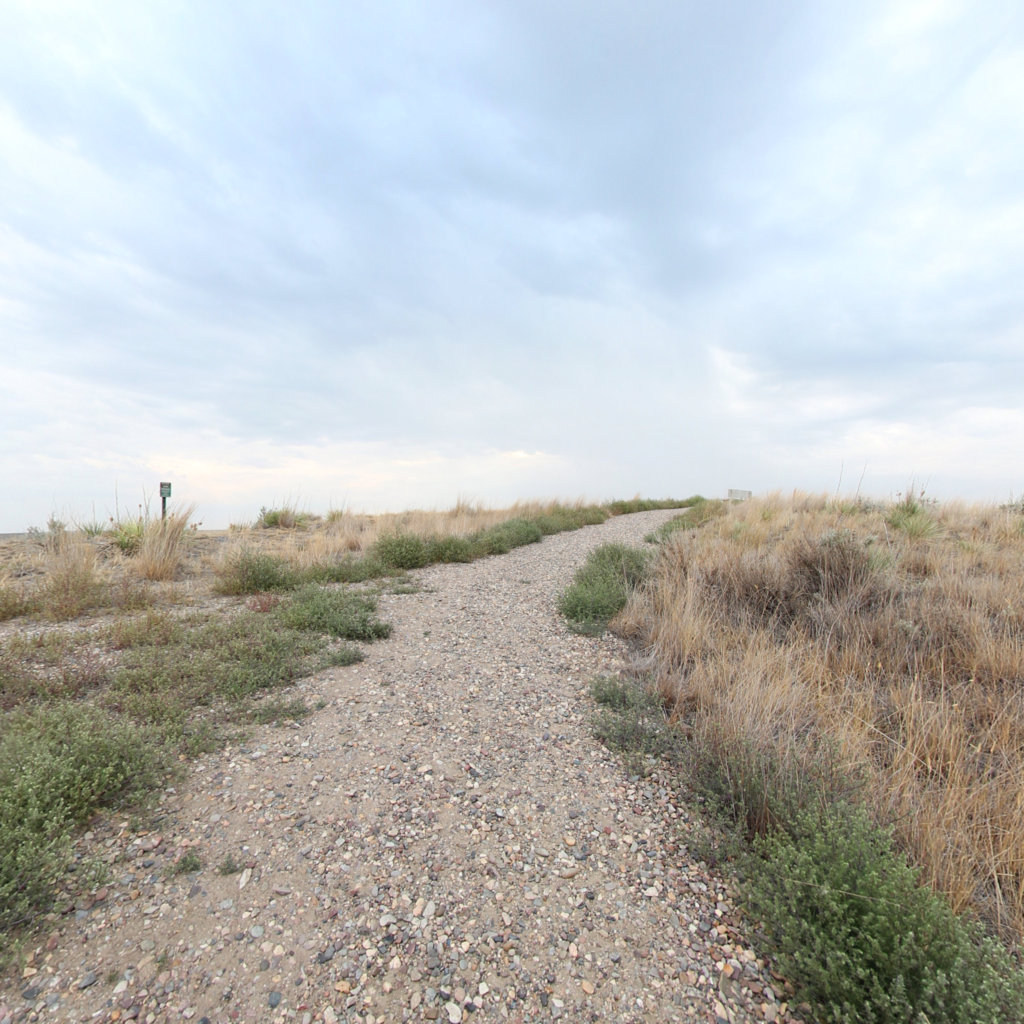
Lewis: June 11, 1805
Recovering from illness, Lewis set out at 8 A.M. with a small party and traveled about nine miles to a point where Rose River, a branch of Maria's River, nears the Missouri. The group killed and butchered four elk, hanging the meat for the main party. Severe intestinal pain and fever returned, forcing Lewis to camp early in willow boughs. Lacking medicine, he brewed a bitter decoction from chokecherry twigs, which relieved his symptoms by evening. Goodrich caught several fish of two species, which Lewis described in detail. Game was abundant.
Tuesday June 11th 1805 This morning I felt much better, but somewhat
weakened by my disorder. at 8 A.M. I swung my pack, and set forward with
my little party. proceeded to the point where Rose River a branch Maria’s
River approaches the Missouri so nearly. from this hight we discovered a
herd of Elk on the Missouri just above us to which we desended and soon
killed four of them. we butchered them and hung up the meat and skins in
view of the river in order that the party might get them. I determined to
take dinner here, but before the meal was prepared I was taken with such
violent pain in the intestens that I was unable to partake of the feast of
marrowbones. my pain still increased and towards evening was attended with
a high fever; finding myself unable to march, I determined to prepare a
camp of some willow boughs and remain all night. having brought no
medecine with me I resolved to try an experiment with some simples; and
the Choke cherry which grew abundanly in the bottom first struck my
attention; I directed a parsel of the small twigs to be geathered striped
of their leaves, cut into pieces of about 2 Inches in length and boiled in
water untill a strong black decoction of an astringent bitter tact was
produced; at sunset I took a point of this decoction and abut an hour
after repeated the dze by 10 in the evening I was entirely releived from
pain and in fact every symptom of the disorder forsook me; my fever
abated, a gentle perspiration was produced and I had a comfortable and
refreshing nights rest. Goodrich who is remarkably fond of fishing caught
several douzen fish of two different speciesone about 9 inches long
of white colour round and in form and fins resembles the white chub common
to the Potomac; this fish has a smaller head than the Chubb and the mouth
is beset both above and below with a rim of fine sharp teeth; the eye
moderately large, the puple dark and the iris which is narrow is of a
yellowish brown colour, they bite at meat or grasshoppers. this is a soft
fish, not very good, tho the flesh is of a fine white colour. the other
species is precisely the form and about the size of the well known fish
called the Hickory Shad or old wife, with the exception of the teeth, a
rim of which garnish the outer edge of both the upper and lower jaw; the
tonge and pallet are also beset with long sharp teeth bending inwards, the
eye of this fish is very large, and the iris of a silvery colour and wide.
of the 1st species we had caught some few before our arrival at the
entrance of Maria’s river, but of the last we had seen none untill we
reached that place and took them in Missouri above it’s junction with that
river. the latter kind are much the best, and do not inhabit muddy water;
the white cat continue as high as the entrance of Maria’s R, but those we
have caught above Mandans never excede 6 lbs. I beleive that there are but
few in this part of the Missouri. saw an abundance of game today even in
our short march of 9 miles.
Read this entry in modern English AI-translated
Tuesday June 11th 1805. This morning I felt much better, but somewhat weakened by my illness. At 8 A.M. I shouldered my pack and set forward with my little party. We proceeded to the point where Rose River, a branch of Maria's River, approaches the Missouri so closely. From this height we spotted a herd of elk on the Missouri just above us, to which we descended and soon killed four of them. We butchered them and hung up the meat and skins in view of the river so that the party might get them.
I decided to take dinner here, but before the meal was prepared I was struck with such violent pain in the intestines that I was unable to partake of the feast of marrowbones. My pain still increased and toward evening was accompanied by a high fever. Finding myself unable to march, I determined to prepare a camp of some willow boughs and remain all night. Having brought no medicine with me, I resolved to try an experiment with some simple remedies; and the choke cherry, which grew abundantly in the bottom, first caught my attention. I directed a parcel of the small twigs to be gathered, stripped of their leaves, cut into pieces of about 2 inches in length, and boiled in water until a strong black decoction of an astringent, bitter taste was produced. At sunset I took a pint of this decoction, and about an hour later repeated the dose. By 10 in the evening I was entirely relieved from pain, and in fact every symptom of the disorder left me; my fever abated, a gentle perspiration was produced, and I had a comfortable and refreshing night's rest.
Goodrich, who is remarkably fond of fishing, caught several dozen fish of two different species. One, about 9 inches long, of white color, round in form, with fins resembling the white chub common to the Potomac; this fish has a smaller head than the chub, and the mouth is set both above and below with a rim of fine sharp teeth. The eye is moderately large, the pupil dark, and the iris, which is narrow, is of a yellowish brown color. They bite at meat or grasshoppers. This is a soft fish, not very good, though the flesh is of a fine white color. The other species is precisely the form and about the size of the well-known fish called the hickory shad or old wife, with the exception of the teeth, a rim of which lines the outer edge of both the upper and lower jaw; the tongue and palate are also set with long sharp teeth bending inwards. The eye of this fish is very large, and the iris is of a silvery color and wide.
Of the 1st species we had caught some few before our arrival at the entrance of Maria's River, but of the last we had seen none until we reached that place and took them in the Missouri above its junction with that river. The latter kind are much the best, and do not inhabit muddy water. The white catfish continue as high as the entrance of Maria's River, but those we have caught above the Mandans never exceed 6 lbs. I believe that there are but few in this part of the Missouri. Saw an abundance of game today, even in our short march of 9 miles.
This modernization is AI-generated for accessibility. The original above is the authoritative version.
Entities mentioned in this entry
Auto-extracted from the entry text. Hover any entity for context.