Lewis: June 9, 1805
At the Marias River junction, the captains decided to cache the large red pirogue and heavy supplies to lighten the boats and free up seven crewmen. After studying maps and weighing Indian and Fidler's information, Lewis concluded the South fork was the true Missouri, but Cruzatte and most of the men disagreed, favoring the North fork. To settle the question, Lewis planned to set out overland up the South fork in two days. Cruzatte directed digging the cache, which Lewis described in detail. Lewis felt ill and took salts. The men dressed skins, and the evening ended with Cruzatte's fiddle, dancing, and singing.
Sunday June 9th 1805. We determined to deposite at this place the large
red perogue all the heavy baggage which we could possibly do without and
some provision, salt, tools powder and Lead &c with a view to lighten
our vessels and at the same time to strengthen their crews by means of the
seven hands who have been heretofore employd. in navigating the red
perogue; accordingly we set some hands to diging a hole or cellar for the
reception of our stores. these holes in the ground or deposits are called
by the engages cashes; on enquiry I found that Cruzatte was well
acquainted this business and therefore left the management of it intirely
to him. today we examined our maps, and compared the information derived
as well from them as from the Indians and fully settled in our minds the
propryety of addopting the South fork for the Missouri, as that which it
would be most expedient for us to take. The information of Mr. Fidler
incorrect as it is strongly argued the necessity of taking the South fork,
for if he has been along the Eastern side of the rocky mountains as far as
even Latd. 47°, which I think fully as far south as he ever was in that
direction, and saw only small rivulets making down from those mountains
the presumption is very strong that those little streams do not penetrate
the rocky Mountains to such distance as would afford rational grownds for
a conjecture that they had their sources near any navigable branch of the
Columbia, and if he has seen those rivulets as far south as 47° they are
most probably the waters of some Nothern branch of the Missouri or South
fork probably the river called by the Indians Medicine River; we therefore
cannot hope by going Northwardly of this place being already in Latititude
47° 24″ to find a stream between this place and the Saskashawan which dose
penetrate the Rocky mountains, and which agreeably to the information of
the Indians with rispect to the Missouri, dose possess a navigable curent
some distance in those mountains. The Indian information also argued
strongly in favour of the South fork. they informed us that the water of
the Missouri was nearly transparent at the great falls, this is the case
with the water of the South fork; that the falls lay a little to the South
of sunset from them; this is also brobable as we are only a few minutes
North of Fort Mandan and the South fork bears considerably South from
hence to the Mountains; that the falls are below the rocky mountains and
near the Nothern termineation of one range of those mountains. a range of
mountains which apear behind the S. Mountains and which appear to
terminate S. W. from this place and on this side of the unbroken chain of
the Rocky Mountains gives us hope that this part of their information is
also correct, and there is sufficient distance between this and the
mountains for many and I fear for us much too many falls. another
impression on my mind is that if the Indians had passed any stream as
large as the South fork on their way to the Missouri that they would not
have omitted mentioning it; and the South fork from it’s size and
complexion of it’s waters must enter the Ry. Mountains and in my opinion
penetrates them to a great distance, or els whence such an immence body of
water as it discharges; it cannot procede from the dry plains to the N. W.
of the Yellow Stone river on the East side of the Rocky Mountains for
those numerous large dry channels which we witnessed on that side as we
ascended the Missouri forbid such a conjecture; and that it should take
it’s sourses to the N. W. under those mountains the travels of Mr. Fidler
fobid us to beleive. Those ideas as they occurred to me I indevoured to
impress on the minds of the party all of whom except Capt. C. being still
firm in the beleif that the N. Fork was the Missouri and that which we
ought to take; they said very cheerfully that they were ready to follow us
any wher we thought proper to direct but that they still thought that the
other was the river and that they were affraid that the South fork would
soon termineate in the mountains and leave us at a great distance from the
Columbia. Cruzatte who had been an old Missouri navigator and who from his
integrity knowledge and skill as a waterman had acquired the confidence of
every individual of the party declared it as his opinion that the N. fork
was the true genuine Missouri and could be no other. finding them so
determined in this beleif, and wishing that if we were in an error to be
able to detect it and rectify it as soon as possible it was agreed between
Capt. C. and myself that one of us should set out with a small party by
land up the South fork and continue our rout up it untill we found the
falls or reached the snowy Mountains by which means we should be enabled
to determine this question prety accurately. this expedition I prefered
undertaking as Capt. C best waterman &c. and determined to set out the
day after tomorrow; I wished to make some further observations at this
place, and as we had determined to leave our blacksmith’s bellows and
tools here it was necessary to repare some of our arms, and particularly
my Airgun the main spring of which was broken, before we left this place.
these and some other preperations will necessarily detain us two perhaps
three days. I felt myself very unwell this morning and took a portion of
salts from which I feel much releif this evening. The cash being completed
I walked to it and examined it’s construction. it is in a high plain about
40 yards distant from a steep bluff of the South branch on it’s nothern
side; the situation a dry one which is always necessary. a place being
fixed on for a cash, a circle abut 20 inches in diameter is first
discribed, the terf or sod of this circle is carefully removed, being
taken out as entire as possible in order that it may be replaced in the
same situation when the chash is filled and secured. this circular hole is
then sunk perpendicularly to the debth of one foot, if the ground be not
firm somewhat deeper. they then begin to work it out wider as they proceed
downwards untill they get it about six or seven feet deep giving it nearly
the shape of the kettle or lower part of a large still. it’s bottom is
also somewhat sunk in the center. the dementions of the cash is in
proportion to the quantity of articles intended to be deposited. as the
earth is dug it is handed up in a vessel and carefully laid on a skin or
cloth and then carryed to some place where it can be thrown in such manner
as to conseal it usually into some runing stream wher it is washed away
and leaves no traces which might lead to the discovery of the cash. before
the goods are deposited they must be well dryed; a parsel of small dry
sticks are then collected and with them a floor is maid of three or four
inches thick which is then covered with some dry hay or a raw hide well
dryed; on this the articles are deposited, taking care to keep them from
touching the walls by putting other dry sticks between as you stoe away
the merchandize, when nearly full the goods are covered with a skin and
earth thrown in and well ramed untill with the addition of the turf furst
removed the whole is on a level with the serface of the ground. in this
manner dryed skins or merchandize will keep perfectly sound for several
years. the traders of the Missouri, particularly those engaged in the
trade with the Siouxs are obliged to have frequent recourse to this method
in order to avoyd being robed. most of the men are busily engaged dressing
skins for cloathing. In the evening Cruzatte gave us some music on the
violin and the men passed the evening in dancing singing &c and were
extreemly cheerfull.-
Read this entry in modern English AI-translated
Sunday, June 9th, 1805. We decided to leave at this place the large red pirogue, along with all the heavy baggage we could possibly do without, plus some provisions, salt, tools, powder, lead, and so on. Our purpose was to lighten our vessels and at the same time to strengthen their crews by adding the seven hands who had until now been employed navigating the red pirogue. Accordingly, we set some of the men to digging a hole or cellar to receive our stores. These holes in the ground, or deposits, are called by the engagés "caches." On inquiry, I found that Cruzatte was well acquainted with this work, and so I left the management of it entirely to him.
Today we examined our maps and compared the information drawn from them with what we had learned from the Indians, and we fully settled in our minds the propriety of adopting the south fork as the Missouri, as the route most expedient for us to take. The information of Mr. Fidler, incorrect as it is, strongly argued the necessity of taking the south fork. For if he has traveled along the eastern side of the Rocky Mountains as far as latitude 47°—which I think is fully as far south as he ever was in that direction—and saw only small rivulets coming down from those mountains, then the presumption is very strong that those little streams do not penetrate the Rocky Mountains far enough to give any rational grounds for supposing that they have their sources near any navigable branch of the Columbia. And if he has seen those rivulets as far south as 47°, they are most probably the waters of some northern branch of the Missouri or of the south fork—probably the river called by the Indians Medicine River. We therefore cannot hope, by going northward of this place (we are already in latitude 47° 24'), to find a stream between here and the Saskatchewan that does penetrate the Rocky Mountains and that, according to the Indian information about the Missouri, possesses a navigable current some distance into those mountains.
The Indian information also argued strongly in favor of the south fork. They told us that the water of the Missouri was nearly transparent at the great falls; this is the case with the water of the south fork. They said the falls lay a little to the south of sunset from them; this is also probable, since we are only a few minutes north of Fort Mandan and the south fork bears considerably south from here toward the mountains. They said the falls are below the Rocky Mountains and near the northern termination of one range of those mountains. A range of mountains which appears behind the south mountains and which seems to terminate southwest from this place, on this side of the unbroken chain of the Rocky Mountains, gives us hope that this part of their information is also correct, and there is sufficient distance between this and the mountains for many—and I fear for us, far too many—falls.
Another impression on my mind is that if the Indians had passed any stream as large as the south fork on their way to the Missouri, they would not have failed to mention it; and the south fork, from its size and the appearance of its waters, must enter the Rocky Mountains and, in my opinion, penetrates them to a great distance—or else where could such an immense body of water as it discharges come from? It cannot proceed from the dry plains to the northwest of the Yellowstone River on the east side of the Rocky Mountains, for those numerous large dry channels which we saw on that side as we ascended the Missouri forbid such a conjecture; and that it should take its sources to the northwest under those mountains, Mr. Fidler's travels forbid us to believe.
These ideas, as they occurred to me, I tried to impress on the minds of the party. All of them except Capt. C. (Capt. Clark) were still firm in the belief that the north fork was the Missouri and the route we ought to take. They said very cheerfully that they were ready to follow us wherever we thought proper to direct, but that they still thought the other was the river, and they were afraid that the south fork would soon end in the mountains and leave us at a great distance from the Columbia. Cruzatte, who had been an old Missouri navigator and who, by his integrity, knowledge, and skill as a waterman, had earned the confidence of every member of the party, declared it as his opinion that the north fork was the true and genuine Missouri and could be no other.
Finding them so determined in this belief, and wishing, if we were in error, to be able to detect and correct it as soon as possible, it was agreed between Capt. C. (Capt. Clark) and myself that one of us should set out with a small party by land up the south fork and continue our route up it until we found the falls or reached the snowy mountains. By this means, we would be able to determine the question pretty accurately. I preferred undertaking this expedition, as Capt. C. (Capt. Clark) is the best waterman, and so on, and I determined to set out the day after tomorrow. I wished to make some further observations at this place; and since we had decided to leave our blacksmith's bellows and tools here, it was necessary to repair some of our arms—particularly my air gun, the main spring of which was broken—before we left this place. These and some other preparations will necessarily detain us two, perhaps three, days. I felt very unwell this morning and took a dose of salts, from which I feel much relief this evening.
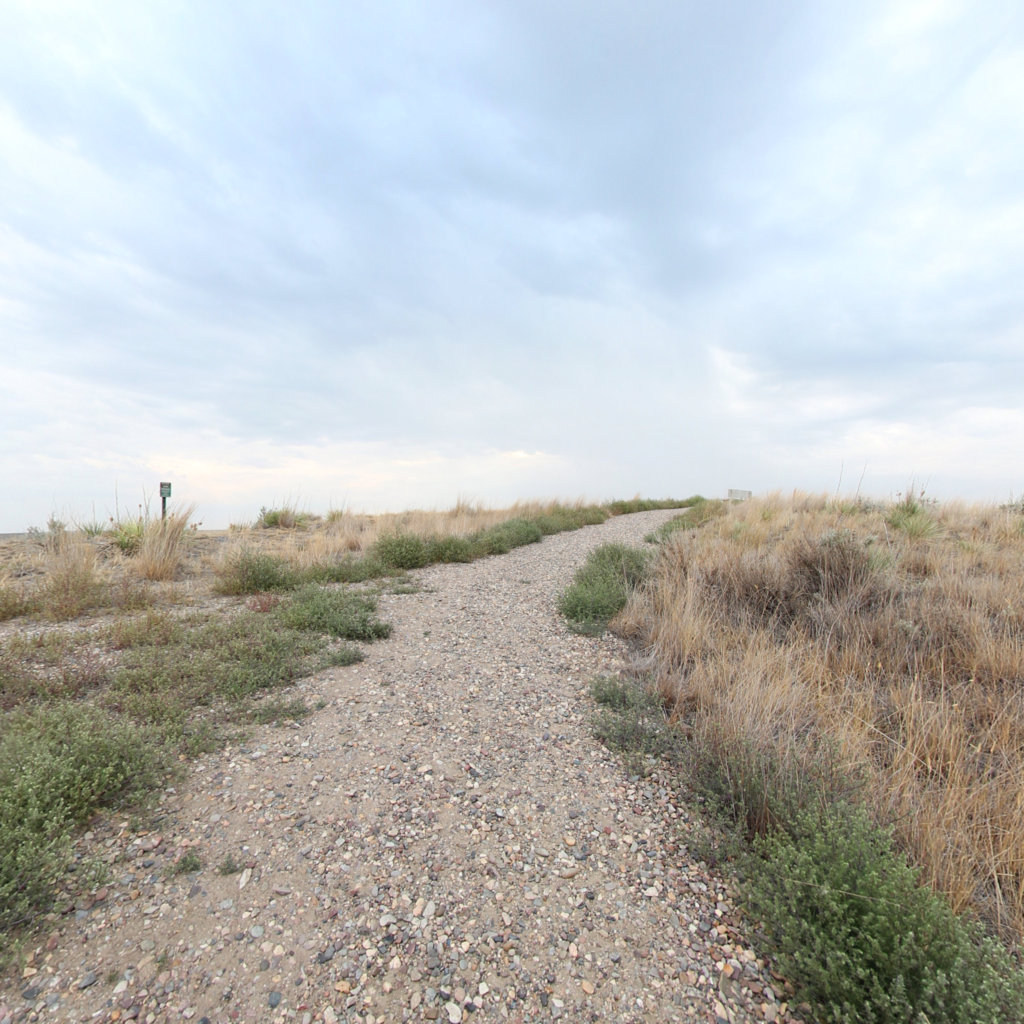
The cache being completed, I walked to it and examined its construction. It is in a high plain about 40 yards from a steep bluff of the south branch on its northern side; the situation is a dry one, which is always necessary. When a place is fixed on for a cache, a circle about 20 inches in diameter is first marked out, and the turf or sod of this circle is carefully removed, taken out as entire as possible so that it may be replaced in the same position when the cache is filled and secured. This circular hole is then sunk straight down to a depth of one foot—if the ground is not firm, somewhat deeper. They then begin to work it out wider as they go downward, until it is about six or seven feet deep, giving it nearly the shape of a kettle or the lower part of a large still. Its bottom is also slightly sunk in the center. The dimensions of the cache are in proportion to the quantity of articles intended to be deposited. As the earth is dug, it is handed up in a vessel and carefully laid on a skin or cloth, and then carried to some place where it can be thrown out in such a way as to conceal it—usually into some running stream, where it is washed away and leaves no traces that might lead to the discovery of the cache.
Before the goods are deposited, they must be well dried. A parcel of small dry sticks is then collected, and with them a floor is made three or four inches thick, which is then covered with some dry hay or a raw hide that has been well dried. On this the articles are deposited, taking care to keep them from touching the walls by putting other dry sticks between them as you stow away the merchandise. When nearly full, the goods are covered with a skin, and earth is thrown in and well rammed until, with the addition of the turf first removed, the whole is level with the surface of the ground. In this manner, dried skins or merchandise will keep perfectly sound for several years. The traders of the Missouri, particularly those engaged in the trade with the Sioux, are obliged to make frequent use of this method in order to avoid being robbed.
Most of the men are busily engaged dressing skins for clothing. In the evening, Cruzatte gave us some music on the violin, and the men passed the evening dancing, singing, and so on, and were extremely cheerful.
This modernization is AI-generated for accessibility. The original above is the authoritative version.
Entities mentioned in this entry
Auto-extracted from the entry text. Hover any entity for context.