Lewis: February 22, 1806
Saturday February 22cd 1806. We were visited today by two Clatsop women
and two boys who brought a parsel of excellent hats made of Cedar bark and
ornamented with beargrass. two of these hats had been made by measures
which Capt Clark and myself had given one of the women some time since
with a request to make each of us a hat; they fit us very well, and are in
the form we desired them. we purchased all their hats and distributed them
among the party. the woodwork and sculpture of these people as well as
these hats and their waterproof baskets evince an ingenuity by no means
common among the Aborigenes of America. in the evening they returned to
their village and Drewyer accompanied them in their canoe in order to get
the dogs which the Clatsops have agreed to give us in payment for the Elk
they stole from us some weeks since. these women informed us that the
small fish began to run which we suppose to be herring from their
discription. they also informed us that their Chief, Coma or Comowooll,
had gone up the Columbia to the valley in order to purchase wappetoe, a
part of which he in tended trading with us on his return. one of our
canoes brake the cord by which it was attatched and was going off with the
tide this evening; we sent Sergt. Pryor and a party after her who
recovered and brought her back. our sick consisting of Gibson, Bratton,
Sergt. Ordway, Willard and McNeal are all on the recovery. we have not had
as may sick at any one time since we left Wood River. the general
complaint seams to be bad colds and fevers, something I beleive of the
influenza.
The Antelope is found in the great plains of Columbia and are the same of
those on the Missouri found in every part of that untimbered country. they
are by no means as plenty on this side of the Rocky Mountains as on the
other. the natives here make robes of their skins dressed with the hair on
them. when the salmon begin to decline in the latter end of the sunme and
Autumn the natves leave the river, at least a majority and remove to the
plains at some distance for the purpose of hunting the Antelope. they
pursue them on horse back and shoot them with their arrows. The sheep is
found in various parts of the Rocky mountains, but most commonly in those
parts which are timbered and steep. they are also found in greater
abundance on the Chain of mountains with form the commencement of the
woody country on this coast and which pass the Columbia between the great
falls and rapids we have never met with this anamal ourselves but have
seen many of their skins in possession of the natives dressed with the
wooll on them and aso seen the blankets which they manufacture of the
wooll of this sheep. from the skin the animal appears to be about the size
of the common sheep; of a white colour. the wooll is fine on most parts of
the body but not so long as that of our domestic sheep. the wooll is also
curled and thick. on the back and more particularly on the top of the neck
the wooll is intermixed with a considerable proportion of long streight
hairs. there is no wooll on a small part of the body behind the sholders
on each side of the brisquit which is covered with a short fine hairs as
in the domestic sheep. form the signs which the Indians make in discribing
this animal they have herect pointed horns, tho one of our Engages La
Page, assures us that he saw them in the black hills where the little
Missouri passes them, and that they were in every rispect like the
domestic sheep, and like them the males had lunated horns bent backwards
and twisted. I should be much pleased at meeting with this animal, but
have had too many proofs to admit a doubt of it’s existing and in
considerable numbers in the mountains near this coast. the Beaver and
common Otter have before been mentioned in treating of the occupations of
the natives in hunting fishing &c. these do not differ from those of
other parts of the Continent.
Entities mentioned in this entry
Auto-extracted from the entry text. Hover any entity for context.
Terrain360 · the place today
Fort Clatsop, winter quarters in 360°
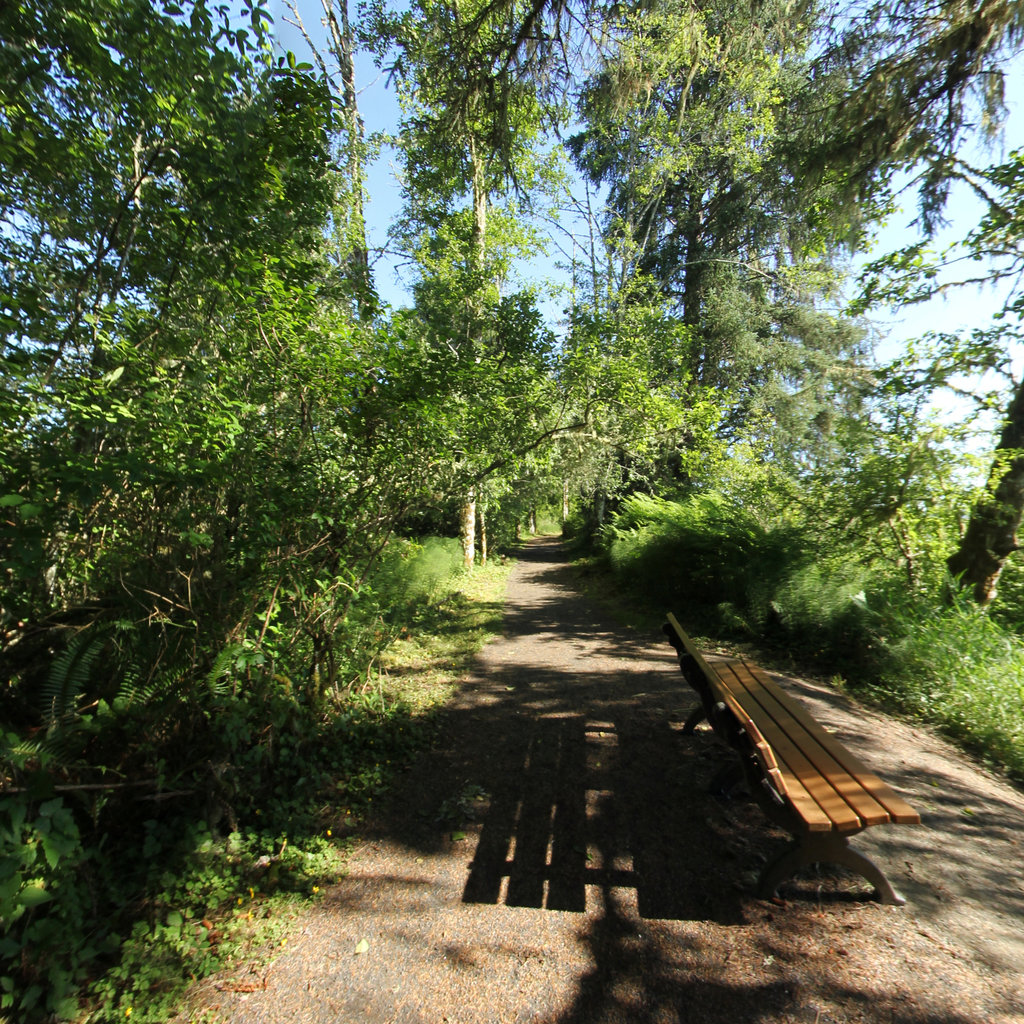
10 frames across 0.8 mi of the route around this location
Analyses
- Cedar-Bark Hats and the Captains’ Parallel Pens
- William Bratton: Hunter, Saltmaker, and Patient of the Corps of Discovery
- Seaman: Lewis’s Newfoundland and the Fourth Member of the Corps
- Hugh McNeal: A Private’s Long March
- Sergeant Nathaniel Pryor: A Steady Hand of the Corps of Discovery
- The Captain’s Eye: Meriwether Lewis as Naturalist, Quartermaster, and Reluctant Diarist
Artwork
Help improve this record
See something that needs correcting, or know a source we are missing? The archive gets better through its readers.


