Clark: March 25, 1806
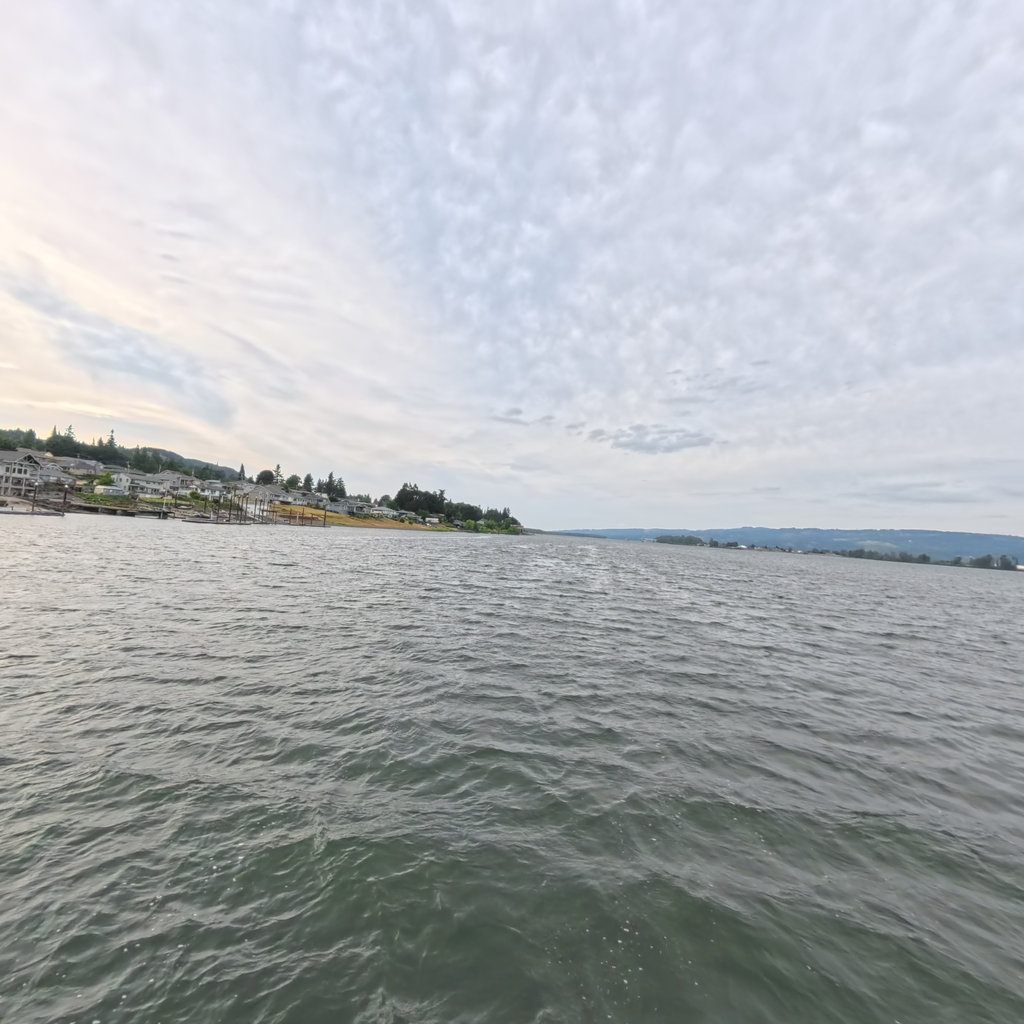
Cold, windy weather and an outgoing tide slowed progress on this travel day. After breakfast, the party went four miles before stopping to dry off on the south shore, where they encountered Wahkiakum and Clatsop Indians passing by with fish and wappato but made no purchases. They waited for the tide to turn at 1 o'clock, then continued, briefly visiting a Cathlahmah sturgeon-fishing camp where one man traded an elk skin and handkerchief for a sea otter pelt. Battling hard winds and swampy shores, they made 15 miles and camped near another Cathlahmah fishing party, who shared seal meat. Drouillard and the Field brothers rejoined them. Clark also noted local plants beginning to leaf out.
Tuesday 25th of March 1806 Last night and this morning are cool wend hard
a head and tide going out, after an early brackfast we proceeded on about
4 miles and came too on the South Side to worm and dry our Selves a
little. Soon after we had landed two Indians Came from a War kia cum
village on the opposit Side with 2 dogs and a fiew Wappato to Sell neither
of which we bought. Som Clatsops passed down in a Canoe loaded with fish
and Wappato. as the wind was hard a head and tide against us we Concluded
to delay untill the return of the tide which we expected at 1 oClock, at
which hour we Set out met two Canoes of Clatsops loaded with dried
anchovies and Sturgion which they had taken and purchased above we crossed
over to an Island on which was a Cath lahmah fishing Camp of one Lodge;
here we found 3 man two woman and a couple of boys who must have for Some
time for the purpose of taking Sturgeon which they do by trolling. they
had 10 or 12 very fine Sturgeon which had not been long taken; we wished
to purchase some of their fish but they asked Such extravegent prices that
we declined purchaseing. one of our Party purchased a Sea otter Skin at
this Lodge for which he gave a dressed Elk Skin & a Handkerchief. we
remained at this place about half an hour and then Continued our rout. the
winds in the evening was verry hard, it was with Some dificuelty that we
Could find a Spot proper for an encampment, the Shore being a Swamp for
Several miles back; at length late in the evening opposit to the place we
had encamped on the 6th of Novr. last; we found the enterance of a Small
Creek which offered us a Safe harbour from the Winds and Encamped. the
Ground was low and moist tho we obtained a tolerable encampment. here we
found another party of Cathlahmahs about 10 in number, who had established
a temporary residence for the purpose of fishing and takeing Seal. they
had taken about 12 Sturgeon and Some Seal. they gave us Some of the flesh
of the Seal which I found a great improvement to the poor Elk. here we
found Drewyer and the 2 Fields who had been Seperated from us Since
Morning; they had passed on the North Side of the large Island which was
much nearest. the bottom lands are Covered with a Species of Arspine, the
Growth with a broad leaf which resembles ash except the leaf. the under
brush red willow, broad leafed Willow, Seven bark, Goose berry, Green
bryor, and the larged leaf thorn; the latter is Now in blume, the nativs
inform us that it bears a fruit about an Inch in diamieter which is good
to eate. the red willow and 7 bark begin to put foth their leaves. The
green bryor which I have before mentioned retains leaves all winter. made
15 Miles
Read this entry in modern English AI-translated
Tuesday 25th of March 1806. Last night and this morning are cool, wind hard ahead and tide going out. After an early breakfast we proceeded on about 4 miles and came to on the south side to warm and dry ourselves a little. Soon after we had landed, two Indians came from a Wahkiakum village on the opposite side with 2 dogs and a few wapato to sell, neither of which we bought. Some Clatsops passed down in a canoe loaded with fish and wapato. As the wind was hard ahead and tide against us, we concluded to delay until the return of the tide, which we expected at 1 o'clock.
At which hour we set out, and met two canoes of Clatsops loaded with dried anchovies and sturgeon which they had taken and purchased above. We crossed over to an island on which was a Cathlahmah (Cathlamet) fishing camp of one lodge. Here we found 3 men, two women, and a couple of boys, who must have been there for some time for the purpose of taking sturgeon, which they do by trolling. They had 10 or 12 very fine sturgeon which had not been long taken. We wished to purchase some of their fish, but they asked such extravagant prices that we declined purchasing. One of our party purchased a sea otter skin at this lodge, for which he gave a dressed elk skin and a handkerchief. We remained at this place about half an hour and then continued our route.
The winds in the evening were very hard, and it was with some difficulty that we could find a spot proper for an encampment, the shore being a swamp for several miles back. At length, late in the evening, opposite to the place we had camped on the 6th of November last, we found the entrance of a small creek which offered us a safe harbor from the winds, and camped. The ground was low and moist, though we obtained a tolerable encampment. Here we found another party of Cathlahmahs (Cathlamets), about 10 in number, who had established a temporary residence for the purpose of fishing and taking seal. They had taken about 12 sturgeon and some seal. They gave us some of the flesh of the seal, which I found a great improvement to the poor elk. Here we found Drewyer (Drouillard) and the two Fields, who had been separated from us since morning; they had passed on the north side of the large island, which was much the nearest.
The bottomlands are covered with a species of aspen, the growth with a broad leaf which resembles ash except the leaf. The underbrush is red willow, broad-leafed willow, seven bark, gooseberry, green briar, and the large-leafed thorn. The latter is now in bloom; the natives inform us that it bears a fruit about an inch in diameter which is good to eat. The red willow and seven bark begin to put forth their leaves. The green briar, which I have before mentioned, retains leaves all winter. Made 15 miles.
This modernization is AI-generated for accessibility. The original above is the authoritative version.
Entities mentioned in this entry
Auto-extracted from the entry text. Hover any entity for context.