Lewis: March 28, 1806
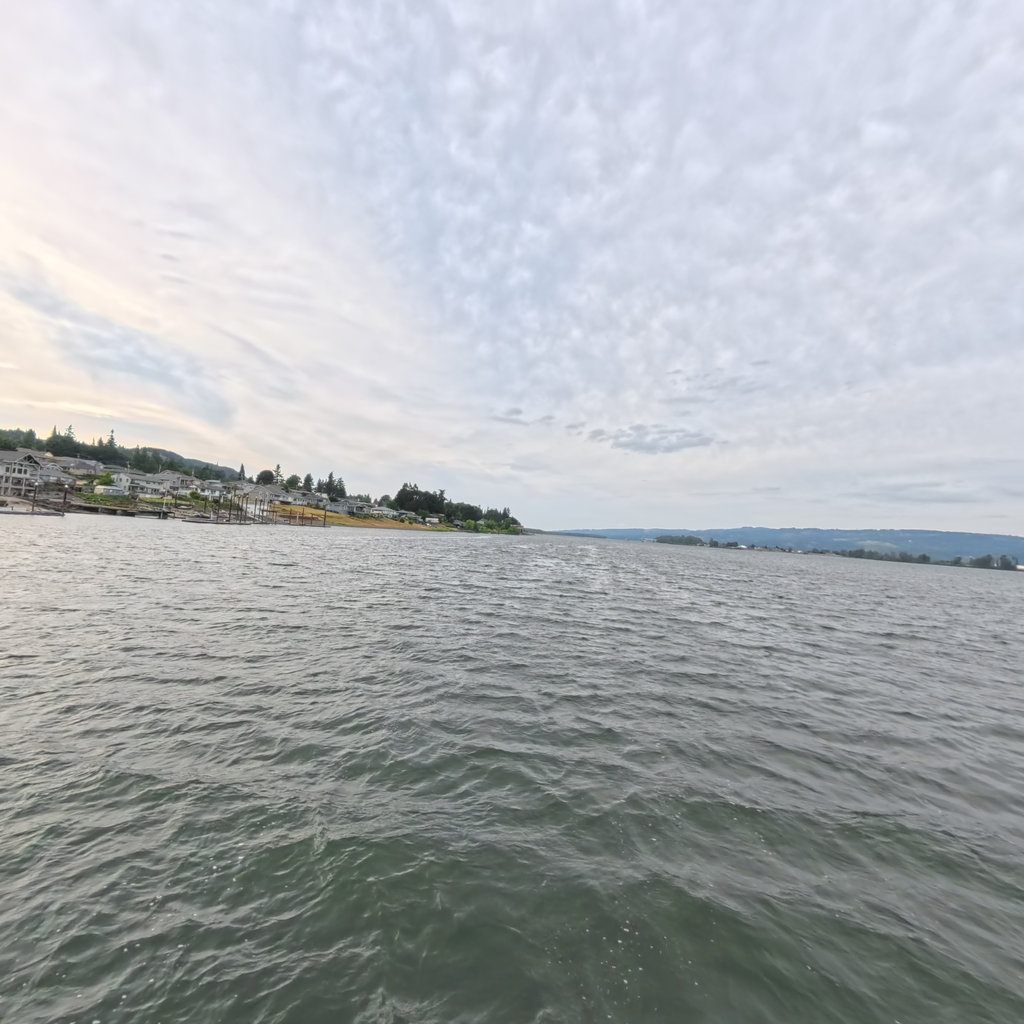
The expedition set out early and reached an old Indian village on Deer Island by 9 A.M., where hunters had killed seven deer overnight, though vultures and eagles devoured four before they could be retrieved. The party halted to repitch and repair canoes, dry bedding, and wait for hunters, traveling only five miles. Ten Quathlahpahtle natives visited by canoe. Lewis observed abundant waterfowl, snakes, and deer, recording detailed descriptions of an unfamiliar duck and a garter-like snake. Weather turned fair by mid-morning. Drewyer killed a wildcat.
Friday March 28th 1806. This morning we set out very early and at 9 A.M.
arrived at the old Indian Village on Lard side of Deer Island where we
found our hunters had halted and left one man with the two canoes at their
camp; they had arrived last evening at this place and six of them turned
out to hunt very early this morning; by 10 A.M. they all returned to camp
having killed seven deer. these were all of the common fallow deer with
the long tall. I measured the tail of one of these bucks which was upwards
of 17 Inches long; they are very poor, tho they are better than the black
tailed fallow deer of the coast. these are two very distinct speceis of
deer. the Indians call this large Island E-lal-lar or deer island which is
a very appropriate name. the hunters informed us that they had seen
upwards of a hundred deer this morning on this island. the interior part
of the island is praries and ponds, with a heavy growth of Cottonwood ash
and willow near the river. we have seen more waterfowl on this island than
we have previously seen since we left Fort Clatsop, consisting of geese,
ducks, large swan, and Sandhill crams. I saw a few of the Canvisback duck.
the duckinmallard are the most abundant. one of the hunters killed a duck
which appeared to be the male, it was a size less than the duckinmallard.
the head neck as low as the croop, the back tail and covert of the wings
were of a fine black with a small addmixture of perple about the head and
neck, the belley & breast were white; some long feathers which lie
underneath the wings and cover the thye were of a pale dove colour with
fine black specks; the large feathers of the wings are of a dove colour.
the legs are dark, the feet are composed of 4 toes each of which there are
three in front connected by a web, the 4th is short Hat and placed high on
the heel behind the leg. the tail is composed of 14 short pointed
feathers. the beak of this duck is remarkably wide, and is 2 inches in
length, the upper chap exceeds the under one in both length and width,
insomuch that when the beak is closed the under is entirly concealed by
the upper chap. the tongue, indenture of the margin of the chaps &c.
are like those of the mallard. the nostrils are large longitudinal and
connected. a narrow strip of white garnishes the upper part or base of the
upper chap; this is succeeded by a pale skye blue colour which occupys
about one inch of the chap, is again succeeded by a transverse stripe of
white and the extremity is of a pure black. the eye is moderately large
the puple black and iris of a fine orrange yellow. the feathers on the
crown of the head are longer than those on the upper part of neck and
other parts of the head; these feathers give it the appearance of being
crested. at 1/2 after ten A.M. it became fair, and we had the canoes which
wanted repairing hailed out and with the assistance of fires which we had
kindled for the purpose dryed them sufficiently to receive the pitch which
was immediately put on them; at 3 in the evening we had them compleat and
again launched and reloaded. we should have set out, but as some of the
party whom we had permitted to hunt since we arrived have not yet returned
we determined to remain this evening and dry our beding baggage &c.
the weather being fair. Since we landed here we were visited by a large
canoe with ten natives of the quathlahpahtle nation who are numerous and
reside about seventeen miles above us on the lard. side of the Columbia,
at the entrance of a small river. they do not differ much in their dress
from those lower down and speak nearly the same language, it is in fact
the same with a small difference of accent. we saw a great number of
snakes on this island they were about the size and much the form of the
common garter snake of the Atlantic coast and like that snake are not
poisonous. they have 160 scuta on the abdomen and 71 on the tail. the
abdomen near the head, and jaws as high as the eyes, are of a bluefish
white, which as it receedes from the head becomes of a dark brown. the
field of the back and sides is black. a narrow stripe of a light yellow
runs along the center of the back, on each side of this stripe there is a
range of small transverse oblong spots of a pale brick ret which gradually
deminish as they receede from the head and disappear at the commencement
of the tail. the puple of the eye is black, with a narrow ring of white
bordering it’s edge; the ballance of the iris is of a dark yellowish
brown.the men who had been sent after the deer returned and brought
in the remnent which the Vultures and Eagles had left us; these birds had
devoured 4 deer in the course of a few hours. the party killed and brought
in three other deer a goose some ducks and an Eagle. Drewyer also killed a
tiger cat. Joseph Fields informed me that the Vultures had draged a large
buck which he had killed about 30 yards, had skined it and broken the back
bone. we came five miles only today.
Read this entry in modern English AI-translated
Friday, March 28th, 1806. This morning we set out very early, and at 9 A.M. we arrived at the old Indian village on the larboard side of Deer Island, where we found that our hunters had stopped and left one man with the two canoes at their camp. They had arrived last evening at this place, and six of them set out to hunt very early this morning. By 10 A.M. they had all returned to camp, having killed seven deer. These were all of the common fallow deer with the long tail. I measured the tail of one of these bucks, which was upwards of 17 inches long. They are very poor, though they are better than the black-tailed fallow deer of the coast. These are two very distinct species of deer. The Indians call this large island E-lal-lar, or Deer Island, which is a very appropriate name. The hunters informed us that they had seen upwards of a hundred deer this morning on this island. The interior part of the island is prairies and ponds, with a heavy growth of cottonwood, ash, and willow near the river.
We have seen more waterfowl on this island than we have previously seen since we left Fort Clatsop, consisting of geese, ducks, large swan, and sandhill cranes. I saw a few of the canvasback duck. The mallards are the most abundant. One of the hunters killed a duck which appeared to be the male; it was a size smaller than the mallard. The head and neck, as low as the crop, and the back, tail, and coverts of the wings were of a fine black with a small admixture of purple about the head and neck. The belly and breast were white. Some long feathers which lie underneath the wings and cover the thigh were of a pale dove color with fine black specks. The large feathers of the wings are of a dove color. The legs are dark, and the feet are composed of 4 toes each, of which there are three in front connected by a web; the 4th is short, flat, and placed high on the heel behind the leg. The tail is composed of 14 short pointed feathers. The beak of this duck is remarkably wide, and is 2 inches in length. The upper mandible exceeds the lower one in both length and width, so much so that when the beak is closed the lower is entirely concealed by the upper. The tongue, the indentation of the margin of the mandibles, etc., are like those of the mallard. The nostrils are large, longitudinal, and connected. A narrow strip of white garnishes the upper part or base of the upper mandible; this is followed by a pale sky-blue color which occupies about one inch of the mandible, is again followed by a transverse stripe of white, and the extremity is of a pure black. The eye is moderately large; the pupil is black and the iris is a fine orange yellow. The feathers on the crown of the head are longer than those on the upper part of the neck and other parts of the head; these feathers give it the appearance of being crested.
At half after ten A.M. it became fair, and we had the canoes that needed repair hauled out, and with the assistance of fires which we had kindled for the purpose, we dried them sufficiently to receive the pitch, which was immediately put on them. At 3 in the evening we had them complete and again launched and reloaded. We should have set out, but as some of the party whom we had permitted to hunt since we arrived have not yet returned, we determined to remain this evening and dry our bedding, baggage, etc., the weather being fair.
Since we landed here we were visited by a large canoe with ten natives of the Quathlahpahtle nation, who are numerous and reside about seventeen miles above us on the larboard side of the Columbia, at the entrance of a small river. They do not differ much in their dress from those lower down and speak nearly the same language; it is in fact the same with a small difference of accent.
We saw a great number of snakes on this island. They were about the size and much the form of the common garter snake of the Atlantic coast, and like that snake, are not poisonous. They have 160 scuta on the abdomen and 71 on the tail. The abdomen near the head, and the jaws as high as the eyes, are of a bluish white, which as it recedes from the head becomes a dark brown. The field of the back and sides is black. A narrow stripe of light yellow runs along the center of the back, and on each side of this stripe there is a range of small transverse oblong spots of a pale brick red, which gradually diminish as they recede from the head and disappear at the beginning of the tail. The pupil of the eye is black, with a narrow ring of white bordering its edge; the balance of the iris is of a dark yellowish brown.
The men who had been sent after the deer returned and brought in the remnant which the vultures and eagles had left us; these birds had devoured 4 deer in the course of a few hours. The party killed and brought in three other deer, a goose, some ducks, and an eagle. Drewyer also killed a tiger cat. Joseph Fields informed me that the vultures had dragged a large buck which he had killed about 30 yards, had skinned it, and had broken the backbone. We came only five miles today.
This modernization is AI-generated for accessibility. The original above is the authoritative version.
Entities mentioned in this entry
Auto-extracted from the entry text. Hover any entity for context.