

The journal entries for 20 February 1805 reveal one of the more striking divergences in the Fort Mandan winter record. Three narrators — William Clark at the fort, Patrick Gass and John Ordway with a hunting party on the river — produce accounts so different in subject and register that a reader unaware of the date would scarcely guess they describe the same twenty-four hours. The contrast illuminates how the expedition’s documentary record was shaped by the physical separation of its members during the winter quarters.
Clark at the Fort: Ethnography and Mortality
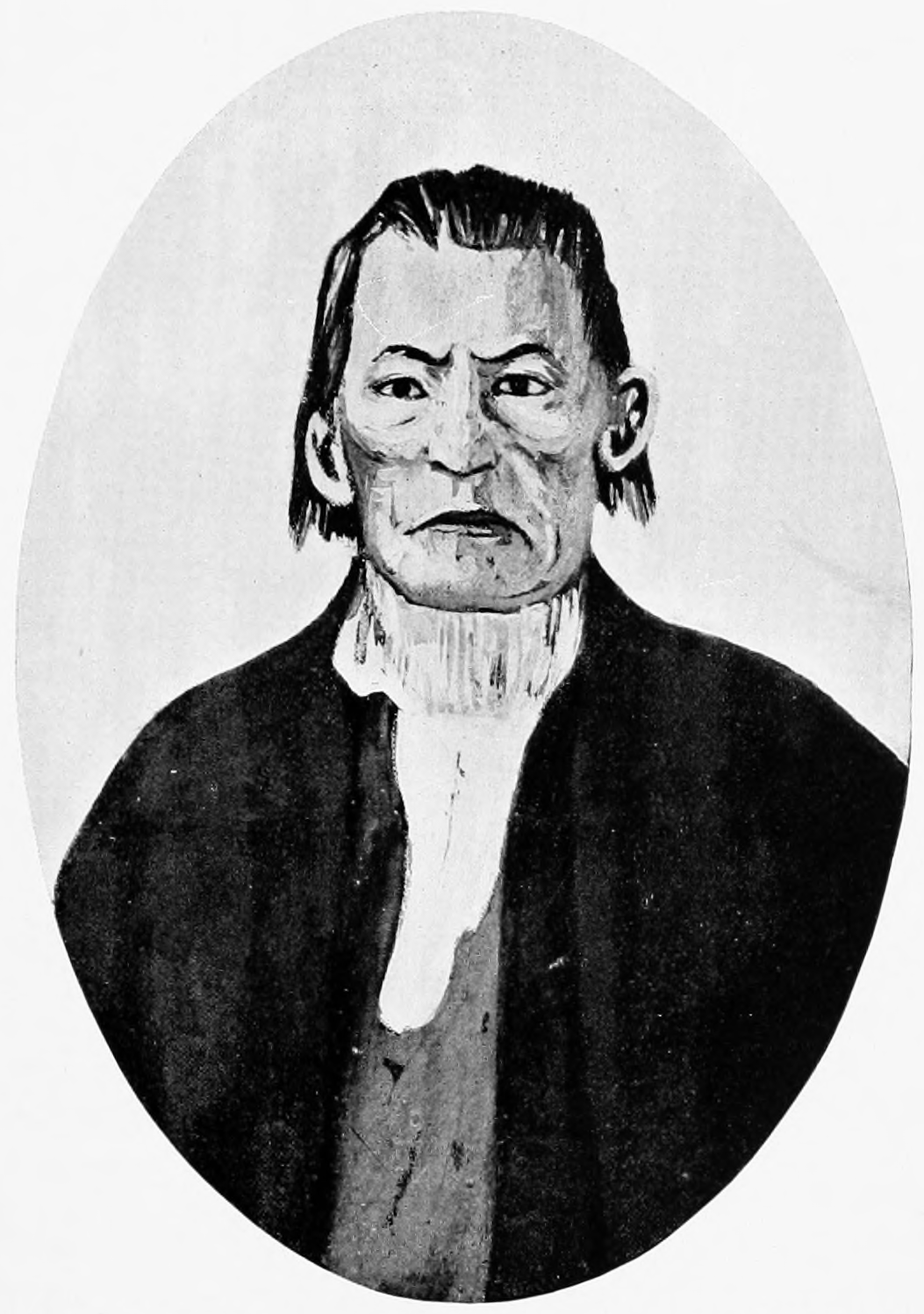
Clark, remaining at Fort Mandan, opens his entry with a characteristic weather note — “a Butifull Day” — before turning to a visit from the Little Raven and the news of a Mandan elder’s death. What follows is one of the more remarkable ethnographic passages in Clark’s winter journals. He records the man’s claimed age and burial instructions in the elder’s own voice:
this man, informed me that he “was 120 winters old, he requested his grand Children to Dress him after Death & Set him on a Stone on a hill with his face towards his old Village or Down the river, that he might go Streight to his brother at their old village under ground”
Clark’s use of quotation marks is notable. He is careful to mark the passage as reported speech rather than his own paraphrase, and he closes with an observation about the prevalence of “Several Mandan verry old Chiefly men.” The register is reflective, almost meditative — concerned with cosmology, kinship, and the dignity of an aged informant.
Ordway and Gass on the River: Two Versions of the Same Hunt
Ordway and Gass were both members of the hunting party operating downriver from the fort, and their entries should in principle corroborate one another. Ordway’s account is methodical and quantitative. He tracks distances in careful increments — “about 10 miles & halted,” “a Short distance & took on 3 deer,” “about 8 miles further” — and reports the day’s tally of game with the bookkeeper’s precision that characterizes his journal throughout the expedition:
we camped on the South Side the hunters came in had killed five Elk we packed in three of them and night came on so that the hunters could not find the other 2.
Gass, by contrast, supplies what Ordway omits entirely: the narrative of a violent encounter. Gass reports that a hunting party operating about twenty-five miles below the fort was set upon by an unidentified Indian party who took their horses, returning only one before departing. The men returned to the fort that night, and Gass continues:
At midnight Captain Lewis called for twenty volunteers who immediately turned out. Having made our arrangements, we set out early accompanied by some Indians ; and having marched thirty miles encamped in some Indian huts.
The discrepancy is significant. Gass’s entry as printed compresses several days’ events — the robbery occurred earlier, and Lewis’s pursuit party set out on the morning of the 15th, not the 20th. The published Gass narrative, edited by David McKeehan from Gass’s original notes, frequently telescopes time in this fashion, and the present entry appears to be a retrospective summary placed under the wrong date. Ordway’s entry, by contrast, is firmly anchored to the 20th and describes a hunting expedition unmolested by any encounter.
What the Comparison Reveals
Read together, the three entries demonstrate how thoroughly the expedition’s record depended on the geographic distribution of its journal-keepers. Clark, fixed at the fort, becomes the captain of ethnographic observation; the elder’s burial speech survives only because Clark was there to receive the Little Raven’s news. Ordway, in the field, produces the logistical baseline — distances, game counts, camp locations — that allows later reconstruction of the hunting party’s movements. Gass, writing (or rewriting) at greater remove, supplies dramatic narrative but at the cost of chronological precision.
None of the three narrators copies another on this date, and the entries do not overlap in subject matter at all. The day that for Clark was defined by a dying Mandan elder’s cosmology was, for the men on the river, a day of broiled meat and elk carcasses on the ice — and, for Gass’s later memory, a day folded into the longer drama of Lewis’s pursuit. The episode is a useful reminder that the “expedition journal” is in fact a composite of parallel records whose convergences and silences both deserve scrutiny.


