Lewis: April 27, 1805
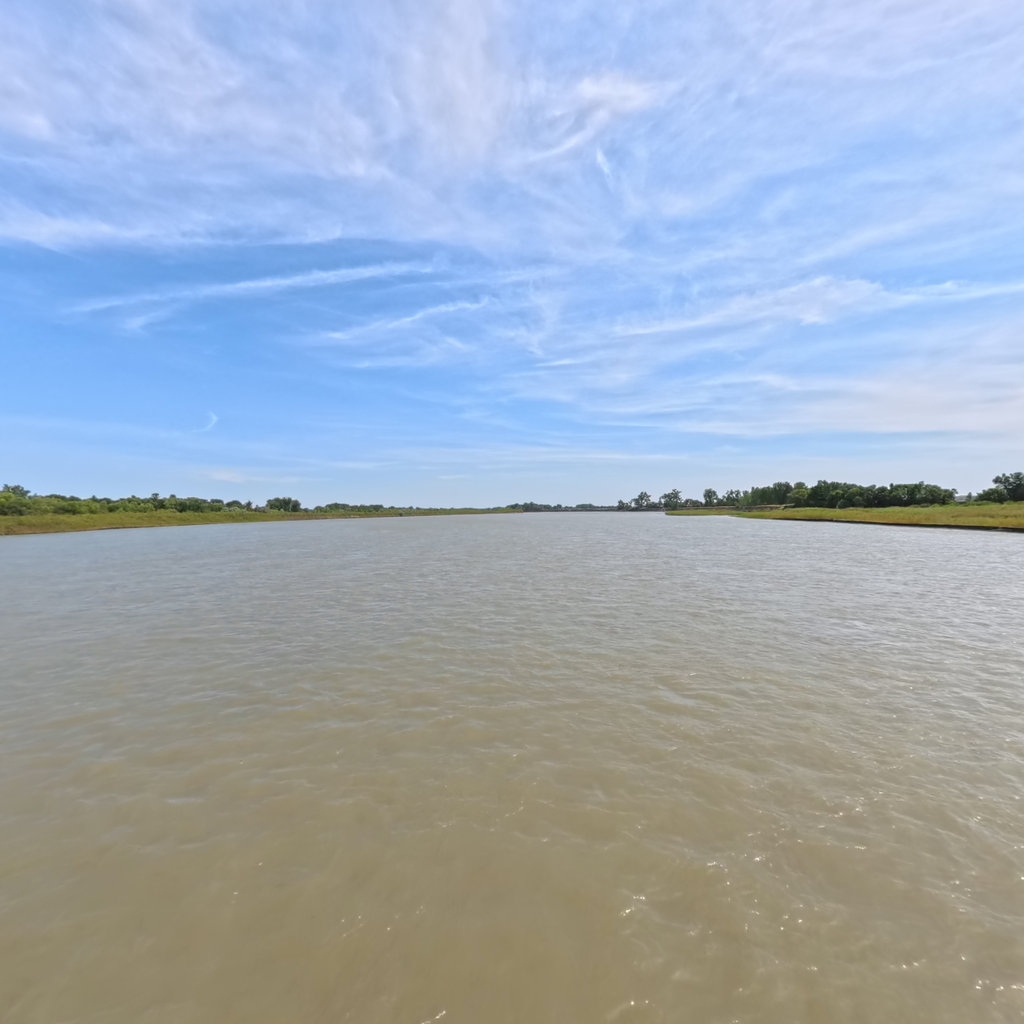
Near the confluence of the Missouri and Yellowstone Rivers, Lewis surveyed the surrounding plains and timberland to identify a good site for a future trading post or fort. He favored a spot on the higher plain near a small lake, while Clark preferred the lower plain closer to both rivers; Lewis worried the lower site would eventually be eroded by the shifting currents. Strong northwest winds at midday halted the boats, forcing Lewis to shoot a goose for dinner. He noted abundant game, drowned buffalo, plentiful beaver, and many bald eagles nesting alongside magpies.
Saturday April 27th 1805. Previous to our seting out this morning I made
the following observations.
This morning I walked through the point formed by the junction of the
rivers; the woodland extends about a mile, when the rivers approach each
other within less than half a mile; here a beatifull level low plain
commences and extends up both rivers for many miles, widening as the
rivers recede from each other, and extending back half a mile to a plain
about 12 feet higher than itself; the low plain appears to be a few inches
higher than high water mark and of course will not be liable to be
overflown; tho where it joins the high plain a part of the Missouri when
at it’s greatest hight, passes through a channel of 60 or 70 yards wide
and falls into the yellowstone river. on the Missouri about 21/2 miles
from the entrance of the yellowstone river, and between this high and low
plain, a small lake is situated about 200 yards wide extending along the
edge of the high plain parallel with the Missouri about one mile. on the
point of the high plain at the lower extremity of this lake I think would
be the most eligible site for an establishment. between this low plain and
the Yellowstone river their is an extensive body of timbered land
extending up the river for many miles. this site recommended is about 400
yards distant from the Missouri and about double that distance from the
river yellowstone; from it the high plain, rising very gradually, extends
back about three miles to the hills, and continues with the same width
between these hills and the timbered land on the yellowstone river, up
that stream, for seven or eight miles; and is one of the hadsomest plains
I ever beheld. on the Missouri side the hills sircumscribe it’s width,
& at the distance of three miles up that river from this site, it is
not more than 400 yards wide. Capt Clark thinks that the lower extremity
of the low plane would be most eligible for this establishment; it is true
that it is much nearer both rivers, and might answer very well, but I
think it reather too low to venture a permanent establishment,
particularly if built of brick or other durable materials, at any
considerable expence; for so capricious, and versatile are these rivers,
that it is difficult to say how long it will be, untill they direct the
force of their currents against this narrow part of the low plain, which
when they do, must shortly yeald to their influence; in such case a few
years only would be necessary, for the annihilation of the plain, and with
it the fortification.I continued my walk on shore; at 11 A.M. the
wind became very hard from N. W. insomuch that the perogues and canoes
were unable either to proceede or pass the river to me; I was under the
necessity therefore of shooting a goose and cooking it for my dinner. the
wind abated about 4. P.M. and the party proceeded tho I could not
conveniently join them untill night. altho game is very abundant and
gentle, we only kill as much as is necessary for food. I believe that two
good hunters could conveniently supply a regiment with provisions. for
several days past we have observed a great number of buffaloe lying dead
on the shore, some of them entire and others partly devoured by the wolves
and bear. those anamals either drownded during the winter in attempting to
pass the river on the ice during the winter or by swiming acrss at present
to bluff banks which they are unable to ascend, and feeling themselves too
weak to return remain and perish for the want of food; in this situation
we met with several little parties of them.beaver are very
abundant, the party kill several of them every day. The Eagles, Magpies,
and gees have their nests in trees adjacent to each other; the magpye
particularly appears fond of building near the Eagle, as we scarcely see
an Eagle’s nest unaccompanyed with two or three Magpies nests within a
short distance.The bald Eagle are more abundant here than I ever
observed them in any part of the country.
Read this entry in modern English AI-translated
Saturday, April 27th, 1805. Before we set out this morning, I made the following observations.
This morning I walked through the point formed by the junction of the rivers. The woodland extends about a mile, until the rivers approach each other within less than half a mile. Here a beautiful, level, low plain begins and extends up both rivers for many miles, widening as the rivers recede from each other, and extending back half a mile to a plain about 12 feet higher than itself. The low plain appears to be a few inches higher than the high-water mark and therefore will not be liable to flooding, though where it joins the high plain, part of the Missouri at its greatest height passes through a channel 60 or 70 yards wide and falls into the Yellowstone River. On the Missouri, about 2½ miles from the entrance of the Yellowstone River, and between this high and low plain, a small lake is situated. It is about 200 yards wide and extends along the edge of the high plain, parallel with the Missouri, for about one mile. On the point of the high plain at the lower end of this lake, I think, would be the most suitable site for an establishment. Between this low plain and the Yellowstone River there is an extensive body of timbered land extending up the river for many miles. The site I recommend is about 400 yards from the Missouri and about double that distance from the Yellowstone River. From it, the high plain, rising very gradually, extends back about three miles to the hills, and continues with the same width between these hills and the timbered land on the Yellowstone River, up that stream, for seven or eight miles. It is one of the handsomest plains I have ever seen. On the Missouri side, the hills limit its width, and at a distance of three miles up that river from this site, it is no more than 400 yards wide. Capt Clark (Capt. Clark) thinks that the lower end of the low plain would be the most suitable for this establishment. It is true that it is much closer to both rivers and might serve very well, but I think it is rather too low to risk a permanent establishment there, particularly if built of brick or other durable materials at any considerable expense. These rivers are so capricious and changeable that it is difficult to say how long it will be before they direct the force of their currents against this narrow part of the low plain, which, when they do, must soon yield to their influence. In such a case, only a few years would be needed for the destruction of the plain, and with it the fortification.
I continued my walk on shore. At 11 A.M., the wind became very strong from the northwest, so much so that the pirogues and canoes were unable either to proceed or to cross the river to me. I was therefore obliged to shoot a goose and cook it for my dinner. The wind died down about 4 P.M., and the party proceeded, though I could not conveniently join them until night. Although game is very abundant and tame, we kill only as much as is necessary for food. I believe that two good hunters could easily supply a regiment with provisions. For several days past, we have observed a great number of buffalo lying dead on the shore, some of them whole and others partly devoured by the wolves and bears. These animals either drowned during the winter while attempting to cross the river on the ice, or, by swimming across now to steep banks which they are unable to climb and feeling themselves too weak to return, they remain and perish for want of food. In this situation, we met with several small groups of them.
Beavers are very abundant, and the party kills several of them every day. The eagles, magpies, and geese have their nests in trees adjacent to each other. The magpie in particular seems fond of building near the eagle, as we scarcely see an eagle's nest that is not accompanied by two or three magpies' nests within a short distance.
The bald eagle is more abundant here than I have ever observed it in any part of the country.
This modernization is AI-generated for accessibility. The original above is the authoritative version.
Entities mentioned in this entry
Auto-extracted from the entry text. Hover any entity for context.