Journal Entry

Lewis: April 30, 1805

April 30, 1805
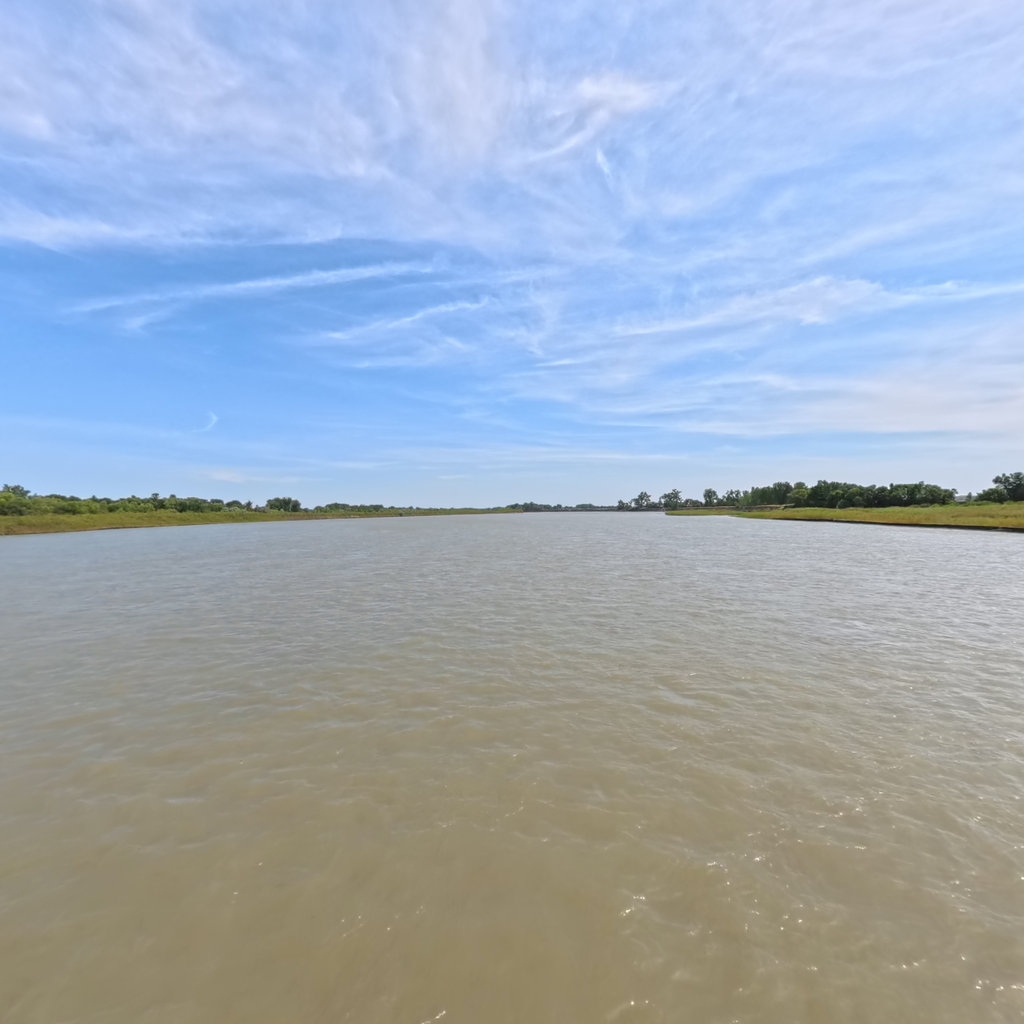
Yellowstone-Missouri confluence
AI Summary

The expedition departed at sunrise despite strong winds that had blown through the night and continued throughout the day, though not forcefully enough to halt travel. The party passed level, fertile river bottoms largely devoid of quality timber, with only poor cottonwood available. Game remained abundant. Clark spent most of the day walking on shore, observing old, long-abandoned Indian lodges made of driftwood. In the evening, Lewis went ashore and killed a notably large buck elk, which he measured at five feet three inches from hoof to shoulder.

Tuesday April 30th 1805. Set out at sunrise. the wind blew hard all last
night, and continued to blow pretty hard all day, but not so much, as to
compell us to ly by. the country as usual is bare of timber; the river
bottoms are level and fertile and extensive, but possess but little timber
and that of an indifferent quality even of it’s kind; principally low
cottonwood, either too small for building, or for plank or broken and dead
at top and unsound in the center of the trunk. saw great quantities of
game as usual. Capt. Clark walked on shore the greater part of the day,
past some old Indian lodges built of drift wood; they appear to be of
antient date and not recently inhabited. I walked on shore this evening
and killed a buck Elk, in tolerable order; it appeared to me to be the
largest I had seen, and was therefore induced to measure it; found it five
feet three inches from the point of the hoof, to the top of the sholders;
the leg and hoof being placed as nearly as possible in the same position
they would have been had the anamal been standing.

Read this entry in modern English AI-translated

Tuesday, April 30th, 1805. We set out at sunrise. The wind blew hard all last night and continued to blow pretty hard all day, but not so much as to compel us to lie by. The country, as usual, is bare of timber; the river bottoms are level, fertile, and extensive, but possess little timber, and that of poor quality even of its kind—principally low cottonwood, either too small for building or for planks, or broken and dead at the top and unsound in the center of the trunk. We saw great quantities of game, as usual.

Capt. Clark walked on shore for the greater part of the day and passed some old Indian lodges built of driftwood; they appear to be of ancient date and not recently inhabited. I walked on shore this evening and killed a buck elk in tolerable condition. It appeared to me to be the largest I had seen, and I was therefore induced to measure it. I found it to be five feet three inches from the point of the hoof to the top of the shoulders, with the leg and hoof placed as nearly as possible in the same position they would have been had the animal been standing.

This modernization is AI-generated for accessibility. The original above is the authoritative version.

Entities mentioned in this entry

Animals:
Plants:
Weather:
Cultural:

Auto-extracted from the entry text. Hover any entity for context.

Our Partners