Journal Entry

Lewis: December 1, 1805

December 1, 1805
Building and occupying Fort Clatsop
AI Summary

On a cloudy day with southeast winds, Lewis sent hunters out to scout the surrounding country. They returned reporting nearly impenetrable woods and scarce game, having seen only a single deer track and a few small grey squirrels. Drouillard remained out hunting, and Lewis later heard him fire five shots nearby, raising hopes he had found elk. Lewis spent much of the entry cataloging local flora and fauna, including grey squirrels, briers, ash, alder, elder, seven-bark, cranberry, a wild crab apple eaten by natives, and a red-berried evergreen tree.

December 1st 1805 Cloudy morning wind from the S. E. sent out the men to
hunt and examin the country, they soon returned all except Drewyer and
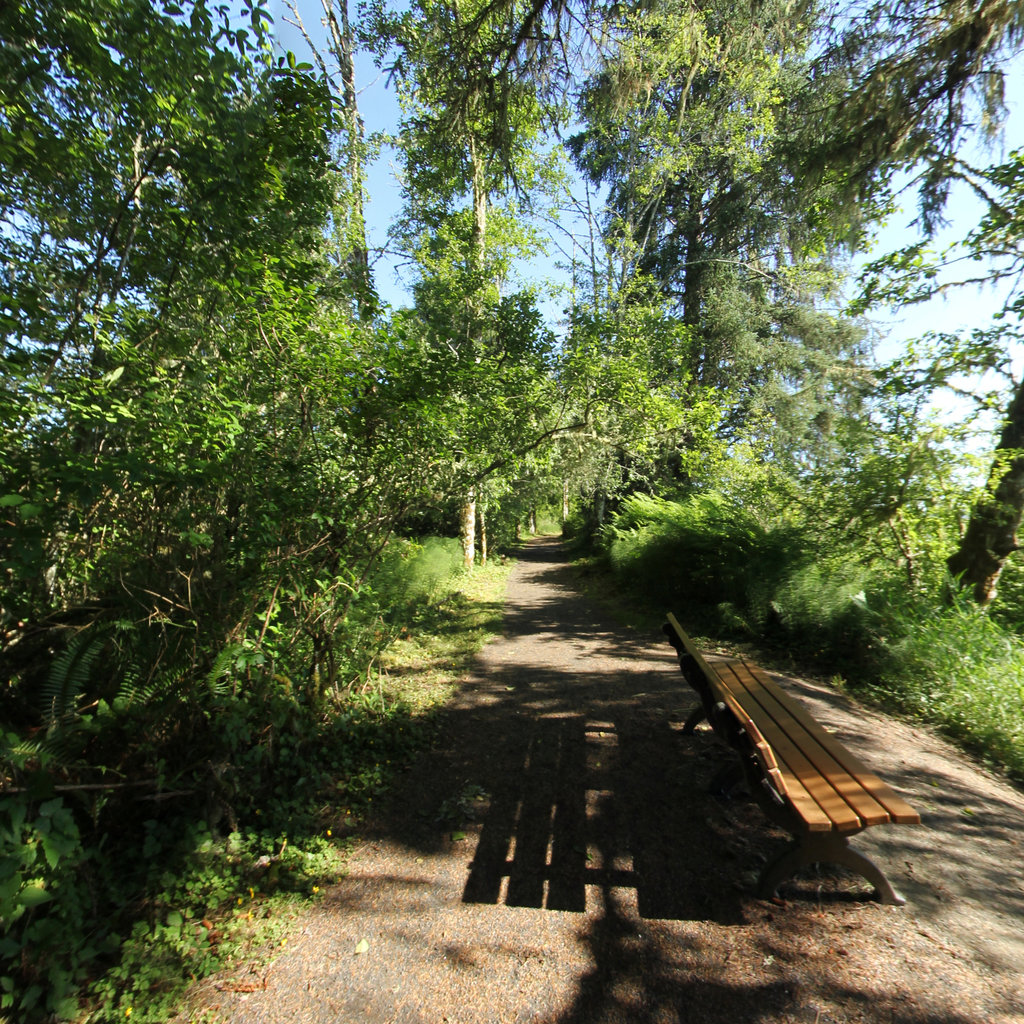
informed me that the wood was so thick it was almost impenetrable and that
there was but little appearance of game; they had seen the track of one
deer only and a few small grey squirrels. these suirrels are about the
size of the red squirrel of the lakes and eastern Atlantic States, their
bellies are of a redish yellow, or tanners ooze colour the tale flat and
as long as the body eyes black and moderately large back and sides of a
greyish brown the brier with a brown bark and three laves which put forth
at the extremety of the twigs like the leaves of the blackbury brier, tho
is a kind of shrub and rises sometimes to the hight of 10 feet the green
brier yet in leaf; the ash with a remarkable large leaf; the large black
alder. the large elder with skey blue buries. the broad leave shrub which
grows something like the quill wood but has no joints, the leaf broad and
deeply indented the bark peals hangs on the stem and is of a yelowish
brown colour. the seven bark is also found here as is the common low
cramburry-there is a wild crab apple which the natives eat this growth
differs but little in appearance from that of the wild crab of the
Atlantic States. but the fruit consists of little oval hurries which grow
in clusters at the extremities of the twigs like the black haws. the fruit
is of a brown colour, oval form and about double as large as the black
haw; the rind is smoth and tough somewhat hard; the seed is like that of
the wild crab and nearly as large; the pulp is soft of a pale yellow
coulour; and when the fruit has been touched by the frost is not
unpleasant, being an agreeable assed. the tree which bears a red burry in
clusters of a round form and size of a red haw. the leaf like that of the
small magnolia, and brark smoth and of a brickdust red coulour it appears
to be of the evergreen kind.half after one oclock Drewyer not yet
arrived. heard him shoot 5 times just above us and am in hopes he has
fallen in with a gang of elk.

Read this entry in modern English AI-translated

December 1st 1805. Cloudy morning, wind from the S.E. I sent out the men to hunt and examine the country. They soon returned, all except Drewyer (Drouillard), and informed me that the woods were so thick they were almost impenetrable and that there was little sign of game. They had seen the track of only one deer and a few small grey squirrels. These squirrels are about the size of the red squirrel of the lakes and the eastern Atlantic States; their bellies are of a reddish yellow, or tanner's ooze color; the tail is flat and as long as the body; eyes black and moderately large; back and sides of a greyish brown.

The brier has a brown bark and three leaves which put forth at the extremity of the twigs like the leaves of the blackberry brier, though it is a kind of shrub and rises sometimes to the height of 10 feet. The greenbrier is still in leaf; the ash with a remarkably large leaf; the large black alder; the large elder with sky blue berries. The broad-leaved shrub which grows something like the quillwood but has no joints, the leaf broad and deeply indented, the bark peels and hangs on the stem and is of a yellowish brown color. The sevenbark is also found here, as is the common low cranberry. There is a wild crab apple which the natives eat; this growth differs but little in appearance from that of the wild crab of the Atlantic States, but the fruit consists of little oval berries which grow in clusters at the extremities of the twigs like the black haws. The fruit is of a brown color, oval in form, and about twice as large as the black haw; the rind is smooth and tough, somewhat hard; the seed is like that of the wild crab and nearly as large; the pulp is soft and of a pale yellow color; and when the fruit has been touched by the frost it is not unpleasant, being an agreeable acid. The tree which bears a red berry in clusters of a round form and the size of a red haw, the leaf like that of the small magnolia, and bark smooth and of a brickdust red color, appears to be of the evergreen kind.

Half after one o'clock, Drewyer (Drouillard) not yet arrived. I heard him shoot 5 times just above us and am in hopes he has fallen in with a gang of elk.

This modernization is AI-generated for accessibility. The original above is the authoritative version.

Our Partners