Journal Entry

Lewis: July 29, 1806

July 29, 1806
Lewis/Clark descending Missouri/Yellowstone to reunion
AI Summary

A violent overnight storm brought rain, hail, thunder, and lightning, forcing Lewis to lie in water without shelter, and rain continued through the day. He sent the Field brothers, Colter, and Collins ahead in two small canoes to hunt and gather elk skins for canoe covers and shelters. The party traveled rapidly down the swollen, muddy Missouri, passed the natural walls, and camped at a previous May 1805 site. They killed nine bighorn sheep, saw vast buffalo herds, few elk, and noted the brown curlew had departed.

Tuesday July 29th 1806. Shortly after dark last evening a violent storm
came on from N. W. attended with rain hail Thunder and lightning which
continued the greater part of the night. no having the means of making a
shelter I lay in the water all night. the rain continued with but little
intermission all day. I intend halting as soon as the weather proves fair
in order to dry our baggage which much wants it. I placed the two Fieldses
and Colter and Collins in the two smallest canoes with orderes to hunt,
and kill meat for the party and obtain as many Elkskins as are necessary
to cover our canoes and furnish us with shelters from the rain. we set out
early and the currant being strong we proceeded with great rapidity. at 11
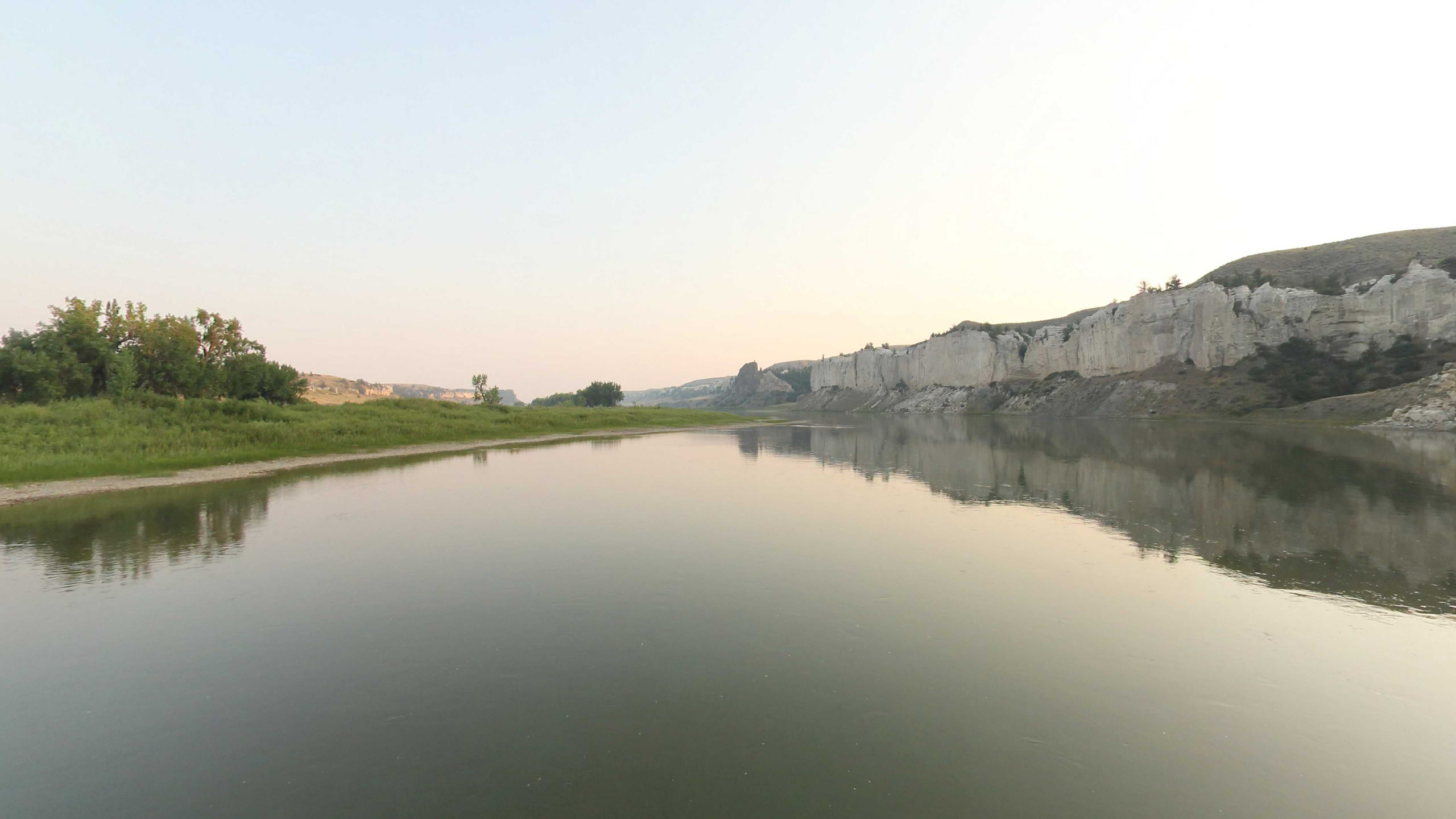
A.M. we passed that very interesting part of the Missouri where the
natural walls appear, particularly discribed in my outward bound journey.
we continued our rout untill late in the evening and encamped on the N. E.
side of the river at the same place we had encamped on the 29th of May
1805. on our way today we killed 9 bighorns of which I preserved the skins
and skeletons of 2 females and one male; the flesh of this aninmal is
extreemly delicate tender and well flavored, they are now in fine order.
their flesh both in colour and flavor much resembles mutton though it is
not so strong as our mutton. the eye is large and prominant, the puple of
a pale sea green and iris of a light yellowish brown colour. these animals
abound in this quarter keeping themselves principally confined to the
steep clifts and bluffs of the river. we saw immence hirds of buffaloe in
the high plains today on either hand of the river. saw but few Elk. the
brown Curloo has left the plains I presume it has raised it’s young and
retired to some other climate and country. as I have been very particular
in my discription of the country as I ascended this river I presume it is
unnecesssesary here to add any-thing further on that subject. the river is
now nearly as high as it has been this season and is so thick with mud and
sand that it is with difficulty I can drink it. every little rivulet now
discharges a torrant of water bringing down immece boddies of mud sand and
filth from the plains and broken bluffs.-

Read this entry in modern English AI-translated

Tuesday, July 29th, 1806. Shortly after dark last evening a violent storm came on from the northwest, accompanied by rain, hail, thunder, and lightning, which continued the greater part of the night. Not having the means of making a shelter, I lay in the water all night. The rain continued with little intermission all day. I intend to halt as soon as the weather proves fair in order to dry our baggage, which much needs it. I placed the two Fields brothers, Colter, and Collins in the two smallest canoes with orders to hunt and kill meat for the party and to obtain as many elk skins as are necessary to cover our canoes and furnish us with shelters from the rain.

We set out early, and the current being strong, we proceeded with great rapidity. At 11 A.M. we passed that very interesting part of the Missouri where the natural walls appear, particularly described in my outward bound journey. We continued our route until late in the evening and camped on the northeast side of the river at the same place we had camped on the 29th of May 1805.

On our way today we killed 9 bighorns, of which I preserved the skins and skeletons of 2 females and one male. The flesh of this animal is extremely delicate, tender, and well flavored; they are now in fine condition. Their flesh, both in color and flavor, much resembles mutton, though it is not so strong as our mutton. The eye is large and prominent, the pupil of a pale sea green and iris of a light yellowish brown color. These animals abound in this quarter, keeping themselves principally confined to the steep cliffs and bluffs of the river.

We saw immense herds of buffalo in the high plains today on either side of the river. We saw but few elk. The brown curlew has left the plains; I presume it has raised its young and retired to some other climate and country. As I have been very particular in my description of the country as I ascended this river, I presume it is unnecessary here to add anything further on that subject.

The river is now nearly as high as it has been this season, and is so thick with mud and sand that it is with difficulty I can drink it. Every little rivulet now discharges a torrent of water, bringing down immense bodies of mud, sand, and filth from the plains and broken bluffs.

This modernization is AI-generated for accessibility. The original above is the authoritative version.

Entities mentioned in this entry

Places:
Foods:
Tools:
Cultural:

Auto-extracted from the entry text. Hover any entity for context.

Our Partners