Journal Entry

Lewis: June 30, 1806

June 30, 1806
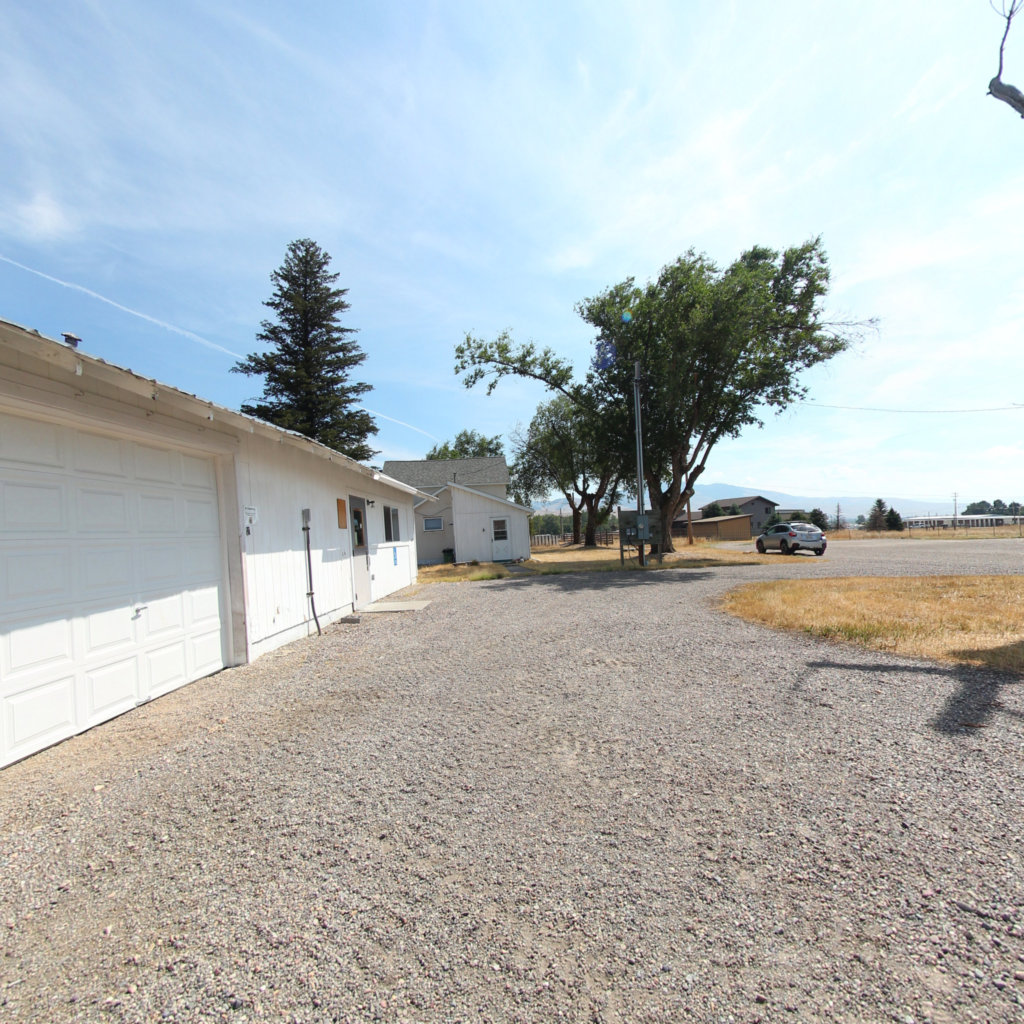
Travelers' Rest - party splits: Lewis north, Clark south
AI Summary

The party traveled about 32 miles down a creek toward Clark's River, sending Drouillard and J. Fields ahead to hunt. Hunters killed six deer through the day. Lewis's horse slipped on a steep hillside, and Lewis slid roughly 40 feet downhill, but both escaped unhurt. He noted a grey squirrel and a white lady's slipper flower. They reached their old camp near Clark's River by sunset, planning a two-day rest to prepare for the group's upcoming separation. The Indians worried the Ootslashshoots had been destroyed by the Minnetares.

Monday June 30th 1806. We dispatched Drewyer and J. Fields early this
morning to hunt on the road and indeavour to obtain some meat for us. just
as we had prepared to set out at an early hour a deer came in to lick at
these springs and one of our hunters killed it; this secured us our
dinners, and we proceeded down the creek sometimes in the bottoms and at
other times on the top or along the steep sides of the ridge to the N. of
the Creek. at one mile from the springs we passed a stout branch of the
creek on the north side and at noon having travelled 13 ms. we arrived at
the entrance of a second Northen branch of the creek where we had nooned
it on the 12 th of Septr. last. here we halted, dined and graized our
horses. while here Sheilds took a small tern and killed a deer. at this
place a road turns off to the wright which the indians informed us leads
to Clarks river some distance below where there is a fine extensive vally
in which the Shalees or Ootslashshoots sometimes reside. in descending the
creek this morning on the steep side of a high hill my horse sliped with
both his hinder feet out of the road and fell, I also fell off backwards
and slid near 40 feet down the hill before I could stop myself such was
the steepness of the declivity; the horse was near falling on me in the
first instance but fortunately recovers and we both escaped unhirt. I saw
a small grey squirrel today much like those of the Pacific coast only that
the belly of this was white. I also met with the plant in blume which is
sometimes called the lady’s slipper or mockerson flower. it is in shape
and appearance like ours only that the corolla is white, marked with small
veigns of pale red longitudinally on the inner side. after dinner we
resumed our march. soon after seting out Sheilds killed another deer and
in the course of the evening we picked up three others which Drewyer had
killed along the road making a total of 6 today. Deer are very abundant in
the neighbourhood of travellers rest of both speceis, also some bighorns
and Elk. a little before sunset we arrived at our old encampment on the
south side of the creek a little above it’s entrance into Clark’s river.
here we encamped with a view to remain two days in order to rest ourselves
and horses & make our final arrangements for seperation. we came 19
ms. after dinner the road being much better than it has been since we
entered the mountains we found no appearance of the Ootslashshoots having
been here lately. the indians express much concern for them and apprehend
that the Minnetares of fort de Prarie have distroyed them in the course of
the last winter and spring, and mention the tracks of the bearfoot Indians
which we saw yesterday as an evidence of their being much distressed.our
horses have stood the journey supprisingly well, most of them are yet in
fine order, and only want a few days rest to restore them perfectly.-

Read this entry in modern English AI-translated

Monday, June 30th, 1806. We sent Drewyer and J. Fields out early this morning to hunt along the road and try to get some meat for us. Just as we had prepared to set out at an early hour, a deer came in to lick at these springs and one of our hunters killed it; this secured our dinners, and we proceeded down the creek, sometimes in the bottoms and at other times on the top or along the steep sides of the ridge to the north of the creek. One mile from the springs we passed a strong branch of the creek on the north side, and at noon, having traveled 13 miles, we arrived at the entrance of a second northern branch of the creek where we had stopped for noon on the 12th of September last. Here we halted, dined, and grazed our horses. While here, Sheilds (Shields) took a short turn and killed a deer.

At this place a road turns off to the right which the Indians informed us leads to Clark's River some distance below, where there is a fine extensive valley in which the Shalees or Ootslashshoots sometimes reside. In descending the creek this morning on the steep side of a high hill, my horse slipped with both his hind feet out of the road and fell. I also fell off backwards and slid nearly 40 feet down the hill before I could stop myself, such was the steepness of the slope; the horse was near falling on me at first, but fortunately he recovered and we both escaped unhurt.

I saw a small grey squirrel today much like those of the Pacific coast, except that the belly of this one was white. I also came across the plant in bloom which is sometimes called the lady's slipper or moccasin flower. It is similar in shape and appearance to ours, except that the corolla is white, marked with small veins of pale red lengthwise on the inner side.

After dinner we resumed our march. Soon after setting out, Sheilds (Shields) killed another deer, and during the evening we picked up three others which Drewyer had killed along the road, making a total of 6 today. Deer are very abundant in the neighborhood of Traveller's Rest, of both species, along with some bighorns and elk. A little before sunset we arrived at our old camp on the south side of the creek, a little above its entrance into Clark's River. Here we camped, intending to remain two days in order to rest ourselves and our horses and to make our final arrangements for separation. We came 19 miles after dinner, the road being much better than it has been since we entered the mountains.

We found no sign of the Ootslashshoots having been here lately. The Indians express much concern for them and fear that the Minnetares of Fort de Prairie have destroyed them during the last winter and spring, and they mention the tracks of the Bearfoot Indians which we saw yesterday as evidence of their being in great distress. Our horses have stood the journey surprisingly well; most of them are still in fine condition and only need a few days' rest to restore them completely.

This modernization is AI-generated for accessibility. The original above is the authoritative version.

Our Partners