Journal Entry

Lewis: June 4, 1805

June 4, 1805
Marias River decision camp
AI Summary

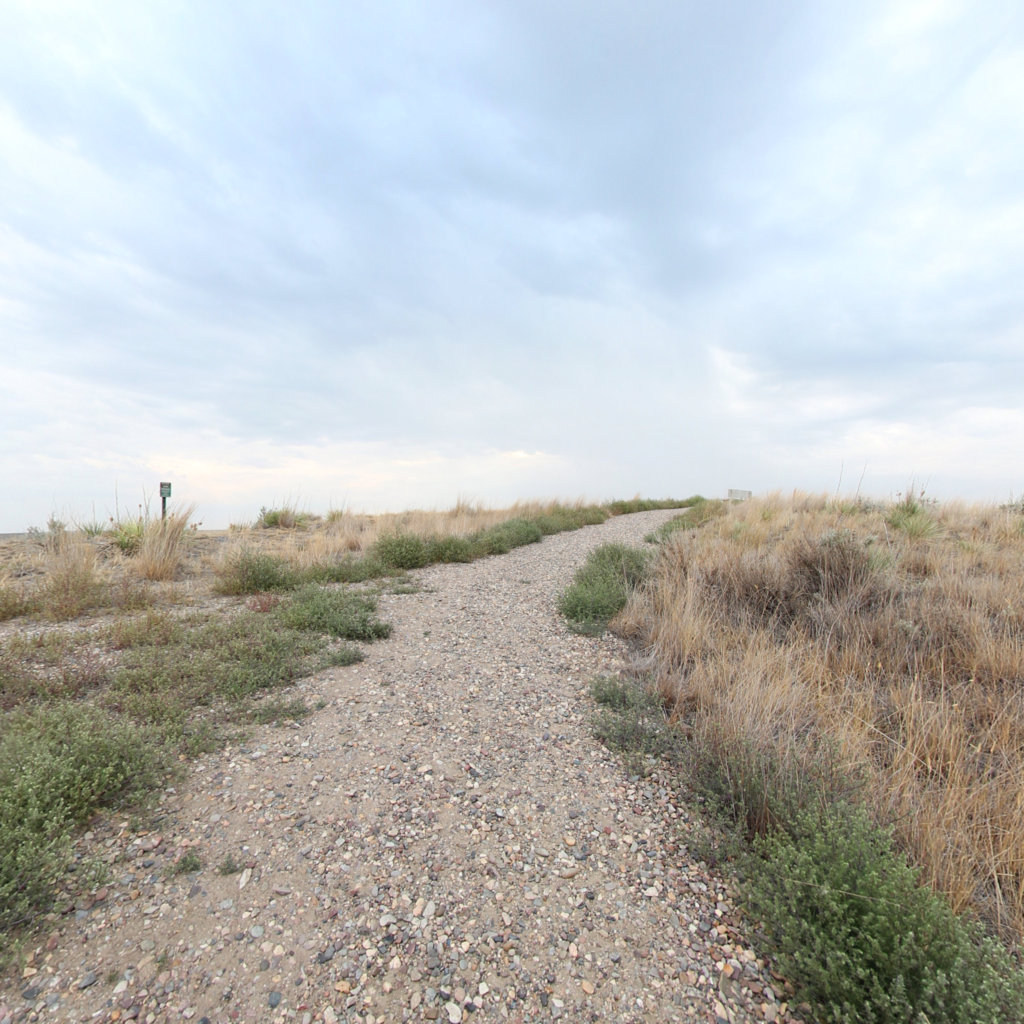
Lewis and Captain Clark separated at the river fork to scout opposite branches; Lewis headed up the north fork. From a high vantage point he took bearings on the surrounding mountain ranges, including the North Mountains, South Mountains, and the distinctive Barn Mountain. He crossed open plains plagued by prickly pears and observed curlews, sparrows, and a sweet-singing lark-like bird. Drouillard killed several mule and common deer for the party. They traveled along the river, noting its Missouri-like character, before camping in willows during a cold, soaking rain.

Tuesday June 4th 1805 This morning early Capt. C. departed, and at the
same time I passed the wright hand fork opposite to our camp below a small
Island; from hence I steered N. 30 W. 41/2 to a commanding eminence; here
I took the following bearings of the mountains which were in view. The
North Mountains appear to change their direction from that of being
parallel with the Missouri turning to the North and terminating abruptly;
their termineation bearing N. 48° E distant by estimate 30 mes. The South
Mountains appear to turn to the S. also terminating abrubtly, their
extremity bearing S. 8 W. distant 25 mes. The Barn Mountain, a lofty
mountain so called from it’s resemblance to the roof of a large Barn, is a
seperate Mountain and appears reather to the wright of and retreating from
the extremity of the S. mts.; this boar S. 38 W. distant 35 ms. The North
fork which I am now ascending lies to my left and appears to make a
considerable bend to the N. W. on it’s Western border a range of hills
about 10 mes. long appear to lye parallel with the river and from hence
bear N. 60° W. to the N. of this range of hills an Elivated point of the
river bluff on it’s Lard. side boar N. 72° W. distant 12 mes. to this last
object I now directed my course through a high level dry open plain. the
whole country in fact appears to be one continued plain to the foot of the
mountains or as far as the eye can reach; the soil appears dark rich and
fertile yet the grass is by no means as high nor dose it look so luxurient
as I should have expected, it is short just sufficient to conceal the
ground. great abundance of prickly pears which are extreemly troublesome;
as the thorns very readily perce the foot through the Mockerson; they are
so numerous that it requires one half of the traveler’s attention to avoid
them In these plains I observed great numbers of the brown Curloos, a
small species of curloo or plover of a brown colour about the size of the
common snipe and not unlike it in form with a long celindric curved and
pointed beak; it’s wings are proportionately long and the tail short; in
the act of liteing this bird lets itself down by an extention of it’s
wings without motion holding their points very much together above it’s
back, in this rispect differing ascentially from any bird I ever observed.
a number of sparrows also of three distinct species I observed. also a
small bird which in action resembles the lark, it is about the size of a
large sparrow of a dark brown colour with some white fathers in the tail;
this bird or that which I take to be the male rises into the air about 60
feet and supporting itself in the air with a brisk motion of the wings
sings very sweetly, has several shrill soft notes reather of the plaintive
order which it frequently repeats and varies, after remaining stationary
about a minute in his aireal station he descends obliquely occasionly
pausing and accomnying his decension with a note something like twit twit
twit; on the ground he is silent. thirty or forty of these birds will be
stationed in the air at a time in view, these larks as I shall call them
add much to the gayety and cheerfullness of the scene. All those birds are
now seting and laying their eggs in the plains; their little nests are to
be seen in great abundance as we pass. there are meriads of small
grasshoppers in these plains which no doubt furnish the principal aliment
of this numerous progeny of the feathered creation. after walking about
eight miles I grew thisty and there being no water in the plains I changed
my direction and boar obliquely in towards the river, on my arrival at
which about 3 mes. below the point of observation, we discovered two deer
at feed at some distance near the river; I here halted the party and sent
Drewyer to kill one of them for breakfast; this excellent hunter soon
exceded his orders by killing of them both; they proved to be two Mule
Bucks in fine order; we soon kindled a fire cooked and made a hearty meal.
it was not yet twelve when we arrived at the river and I was anxious to
take the Meridian Altd. of the sun but the clouds prevent ed my obtaining
the observation. after refreshing ourselves we proceded up the river to
the extremity of the first course, from whence the river boar on it’s
general course N. 15° W. 2 M. to a bluff point on Stard. here Drewyer
killed four other deer of the common kind; we skined them and hung up a
part of the meat and the skins as we did also of the first, and took as
much of the meat as we thought would answer for our suppers and proceeded
N. 30 W. 2 m. to the entrance of a large creek on Lard. side the part of
the river we have passed is from 40 to 60 yds. wide, is deep, has falling
banks, the courant strong, the water terbid and in short has every
appearance of the missouri below except as to size. it’s bottoms narrow
but well timbered. Salts coal and other mineral appearances as usual; the
bluffs principally of dark brown, yellow and some white clay; some
freestone also appears in places. The river now boar N. 20° E. 12 mes. to
a bluff on Lard. At the commencement of this course we ascended the hills
which are about 200 feet high, and passed through the plains about 3 m.
but finding the dry ravines so steep and numerous we determined to return
to the river and travel through it’s bottoms and along the foot and sides
of the bluffs, accordingly we again reached the river about 4 miles from
the commencement of the last course and encamped a small distant above on
the Stard. side in a bend among the willow bushes which defended us from
the wind which blew hard from the N. W. it rained this evening and wet us
to the skin; the air was extremely could. just before we encamped Drewyer
fired at a large brown bar across the river and wounded him badly but it
was too late to pursue him. killed a braro and a beaver, also at the place
of our encampment, a very fine Mule deer. we saw a great number of
Buffaloe, Elk, wolves and foxes today. the river bottoms form one emence
garden of roses, now in full bloe.

Read this entry in modern English AI-translated

Tuesday June 4th 1805. This morning early Capt. C. (Capt. Clark) departed, and at the same time I crossed the right hand fork opposite to our camp below a small island. From there I steered N. 30 W. 4½ miles to a commanding height; here I took the following bearings of the mountains which were in view. The North Mountains appear to change their direction from being parallel with the Missouri, turning to the north and terminating abruptly; their termination bears N. 48° E, distant by estimate 30 miles. The South Mountains appear to turn to the south, also terminating abruptly, their extremity bearing S. 8 W., distant 25 miles. The Barn Mountain, a lofty mountain so called from its resemblance to the roof of a large barn, is a separate mountain and appears rather to the right of and retreating from the extremity of the South Mountains; this bore S. 38 W., distant 35 miles. The north fork which I am now ascending lies to my left and appears to make a considerable bend to the northwest. On its western border a range of hills about 10 miles long appears to lie parallel with the river, and from here bears N. 60° W. To the north of this range of hills, an elevated point of the river bluff on its larboard side bore N. 72° W., distant 12 miles. To this last object I now directed my course through a high, level, dry, open plain.

The whole country in fact appears to be one continuous plain to the foot of the mountains, or as far as the eye can reach. The soil appears dark, rich, and fertile, yet the grass is by no means as high nor does it look so luxuriant as I should have expected; it is short, just sufficient to conceal the ground. There is a great abundance of prickly pears, which are extremely troublesome, as the thorns very readily pierce the foot through the moccasin; they are so numerous that it requires one half of the traveler's attention to avoid them.

In these plains I observed great numbers of the brown curlews, a small species of curlew or plover of a brown color, about the size of the common snipe and not unlike it in form, with a long cylindrical, curved, and pointed beak. Its wings are proportionately long and the tail short. In the act of alighting this bird lets itself down by an extension of its wings without motion, holding their points very much together above its back, in this respect differing essentially from any bird I ever observed. I also observed a number of sparrows of three distinct species. Also a small bird which in action resembles the lark; it is about the size of a large sparrow, of a dark brown color with some white feathers in the tail. This bird, or that which I take to be the male, rises into the air about 60 feet and, supporting itself in the air with a brisk motion of the wings, sings very sweetly. It has several shrill, soft notes rather of the plaintive order, which it frequently repeats and varies. After remaining stationary about a minute in his aerial station, he descends obliquely, occasionally pausing and accompanying his descent with a note something like twit twit twit. On the ground he is silent. Thirty or forty of these birds will be stationed in the air at a time in view. These larks, as I shall call them, add much to the gaiety and cheerfulness of the scene. All these birds are now setting and laying their eggs in the plains; their little nests are to be seen in great abundance as we pass. There are myriads of small grasshoppers in these plains, which no doubt furnish the principal nourishment of this numerous progeny of the feathered creation.

After walking about eight miles I grew thirsty, and there being no water in the plains, I changed my direction and bore obliquely in toward the river. On my arrival at it, about 3 miles below the point of observation, we discovered two deer feeding at some distance near the river. I halted the party here and sent Drewyer to kill one of them for breakfast; this excellent hunter soon exceeded his orders by killing both of them. They proved to be two mule bucks in fine order. We soon kindled a fire, cooked, and made a hearty meal. It was not yet twelve when we arrived at the river, and I was anxious to take the meridian altitude of the sun, but the clouds prevented me from obtaining the observation.

After refreshing ourselves we proceeded up the river to the extremity of the first course, from where the river bore on its general course N. 15° W. 2 miles to a bluff point on starboard. Here Drewyer killed four other deer of the common kind. We skinned them and hung up a part of the meat and the skins, as we did also of the first, and took as much of the meat as we thought would answer for our suppers, and proceeded N. 30 W. 2 miles to the entrance of a large creek on the larboard side. The part of the river we have passed is from 40 to 60 yards wide, is deep, has falling banks, the current strong, the water turbid, and in short has every appearance of the Missouri below, except as to size. Its bottoms are narrow but well timbered. Salts, coal, and other mineral appearances as usual; the bluffs are principally of dark brown, yellow, and some white clay; some freestone also appears in places.

The river now bore N. 20° E. 12 miles to a bluff on larboard. At the commencement of this course we ascended the hills, which are about 200 feet high, and passed through the plains about 3 miles, but finding the dry ravines so steep and numerous, we determined to return to the river and travel through its bottoms and along the foot and sides of the bluffs. Accordingly we again reached the river about 4 miles from the commencement of the last course, and camped a small distance above on the starboard side in a bend among the willow bushes, which defended us from the wind which blew hard from the northwest. It rained this evening and wet us to the skin; the air was extremely cold. Just before we camped, Drewyer fired at a large brown bear across the river and wounded him badly, but it was too late to pursue him. He killed a badger and a beaver, also at the place of our encampment a very fine mule deer. We saw a great number of buffalo, elk, wolves, and foxes today. The river bottoms form one immense garden of roses, now in full bloom.

This modernization is AI-generated for accessibility. The original above is the authoritative version.

Our Partners