Journal Entry

Lewis: March 10, 1806

March 10, 1806
Fort Clatsop, winter quarters
AI Summary

After the weather cleared around 1 P.M., the captains sent out hunting parties on both sides of the Netul River and arranged another to cross the bay and hunt beyond the Kilhowanackkle, an area not yet much explored. Strong winds blew all day, and the visiting Indians left in the evening. Hunters reported measuring an enormous fir tree about 42 feet around, possibly 300 feet tall. Lewis devoted most of the entry to detailed descriptions of local waterfowl, including black and white ducks, brown ducks, black ducks, two species of divers, and blue-winged teal.

Monday March 10th 1806. About 1 P.M. it became fair and we sent out two
parties of hunters on this side of the Netul the one below and the other
above. we also directed a party to set out early in the morning and pass
the bay and hunt beyond the Kilhowanackkle. from the last we have
considerable hope as we have as yet hunted but little in that quarter. it
blew hard all day. in the evening the Indians departed. The hunters who
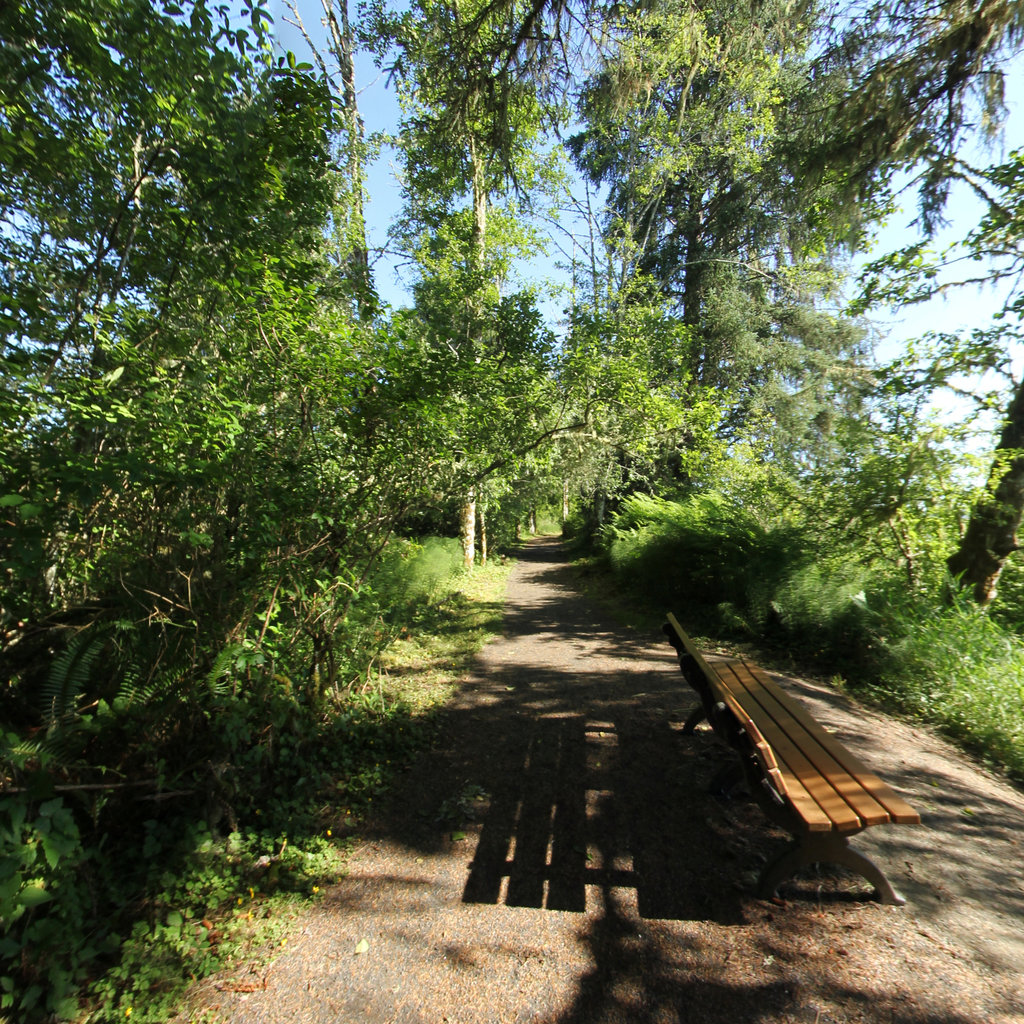
were over the Netull the other day informed us that they measured a pine
tree, (or fir No 1) which at the hight of a man’s breast was 42 feet in
the girth about three feet higher, or as high as a tall man could reach,
it was 40 feet in the girth which was about the circumpherence for at
least 200 feet without a limb, and that it was very lofty above the
commencement of the limbs. from the appearance of other trees of this
speceis of fir and their account of this tree, I think it may be safely
estimated at 300 feet. it had every appearance of being perfectly sound.
The black and white duck are small abut the size of the blue-winged teal,
or reather larger. the male is beautifully variagated with black and
white. the white occupys the sides of the head, breast and back, black,
the tail feathers of the wings two tufts of feathers which cover the upper
part of the wings when foalded, the neck and head. the female is darker or
has much less white about her. I take this to be the same speceis of duck
common to the Atlantic coast, and frequently called the butterbox. the
beak is wide and short, and as well as the legs, of a dark colour. the
flesh of this duck is very well flavored. the brown duck is much in form
like the duckinmallard, tho not much more than half it’s size. the colour
is an uniform mixture of yellowish and dark brown. there is nothing
remarkable in the appearance of this duck it generally resorts the same
kind of grassey marshes with the duckinmallard and feeds in a similar
manner, on grass seed, and roots. both these ducks are common to the river
for some distance above tide water as well as below. The black duck is
about the size of the bluewinged teal. their colour is a duskey black the
breast and belley somewhat lighter than the other parts, or a dark brown.
the legs stand longitudinally with the body, and the bird when on shore
stands of cours very erect. the legs and feet are of a dark brown, the
toes are four on each foot, a short one at the heel and three long toes in
front, which are unconnected with a web. the webs are attatched to each
sides of the several joints of the toe, and divided by deep sinuses at
each joint. the web assuming in the intermediate part an eliptical figure.
the beak is about two inches long, streight, flated on the sides, and
tapering to a sharp point. the upper chap somewhat longest, and bears on
it’s base at the joining of the head, a little conic protuberance of a
cartelagenous substace, being redish brown at the point. the beak is of an
ivory white colour. the eye dark. these ducks usually associate in large
flocks, and are very noisey; their note being a sharp shrill whistle. they
are usually fat and agreeably flavored; and feed principally on moss, and
other vegitable productions of the water. we did not meet with them untill
we reached tide-water, but I beleive them not exclusively confined to that
district at all seasons, as I have noticed the same duck on many parts of
the Rivers Ohio and Mississippi. the gizzard and liver are also remarkably
large in this fowl. the divers are the same with those of the Atlantic
States. the smaller species has some white feathers about the rump with no
perceptable tail and is very active and cluck in it’s motion; the body is
of a redish brown. the beak sharp and somewhat curved like that of the
pheasant. the toes are not connected but webed like those discribed of the
black duck. the larger speceis are about the size of the teal and can flye
a short distance which the small one scarcely ever attapts. they have a
short tail. their colour is also an uniform brickredish brown, the beak is
streight and pointed. the feet are of the same form of the other speceis
and the legs are remarkably thin and flat one edge being in front. the
food of both speceis is fish, and the flesh unfit for uce. the bluewinged
teal are a very excellent duck, and are the same with those of the
Atlantic coast.There are some other speceis of ducks which shall be
hereafter discribed as I may hereafter have an opportunity to examine
them.

Read this entry in modern English AI-translated

Monday March 10th 1806. About 1 P.M. it became fair and we sent out two parties of hunters on this side of the Netul, one below and the other above. We also directed a party to set out early in the morning and pass the bay and hunt beyond the Kilhowanackkle. From the last we have considerable hope, as we have as yet hunted but little in that quarter. It blew hard all day. In the evening the Indians departed.

The hunters who were over the Netul the other day informed us that they measured a pine tree (or fir No. 1) which, at the height of a man's breast, was 42 feet in girth. About three feet higher, or as high as a tall man could reach, it was 40 feet in girth, which was about the circumference for at least 200 feet without a limb, and it was very lofty above the commencement of the limbs. From the appearance of other trees of this species of fir and their account of this tree, I think it may be safely estimated at 300 feet. It had every appearance of being perfectly sound.

The black and white duck are small, about the size of the blue-winged teal, or rather larger. The male is beautifully variegated with black and white. The white occupies the sides of the head, breast, and back. Black covers the tail feathers, the wings, two tufts of feathers which cover the upper part of the wings when folded, and the neck and head. The female is darker, or has much less white about her. I take this to be the same species of duck common to the Atlantic coast, and frequently called the butterbox. The beak is wide and short, and, as well as the legs, of a dark color. The flesh of this duck is very well flavored.

The brown duck is much in form like the duckinmallard, though not much more than half its size. The color is a uniform mixture of yellowish and dark brown. There is nothing remarkable in the appearance of this duck. It generally resorts to the same kind of grassy marshes with the duckinmallard and feeds in a similar manner, on grass seed and roots. Both these ducks are common to the river for some distance above tide water as well as below.

The black duck is about the size of the blue-winged teal. Their color is a dusky black, the breast and belly somewhat lighter than the other parts, or a dark brown. The legs stand longitudinally with the body, and the bird when on shore stands, of course, very erect. The legs and feet are of a dark brown. The toes are four on each foot, a short one at the heel and three long toes in front, which are unconnected with a web. The webs are attached to each side of the several joints of the toe, and divided by deep sinuses at each joint, the web assuming in the intermediate part an elliptical figure. The beak is about two inches long, straight, flatted on the sides, and tapering to a sharp point. The upper chap is somewhat longest, and bears on its base, at the joining of the head, a little conic protuberance of a cartilaginous substance, being reddish brown at the point. The beak is of an ivory white color. The eye is dark. These ducks usually associate in large flocks, and are very noisy; their note being a sharp shrill whistle. They are usually fat and agreeably flavored, and feed principally on moss and other vegetable productions of the water. We did not meet with them until we reached tide water, but I believe them not exclusively confined to that district at all seasons, as I have noticed the same duck on many parts of the Rivers Ohio and Mississippi. The gizzard and liver are also remarkably large in this fowl.

The divers are the same as those of the Atlantic States. The smaller species has some white feathers about the rump with no perceptible tail, and is very active and quick in its motion; the body is of a reddish brown. The beak is sharp and somewhat curved like that of the pheasant. The toes are not connected but webbed like those described of the black duck. The larger species is about the size of the teal and can fly a short distance, which the small one scarcely ever attempts. They have a short tail. Their color is also a uniform brick-reddish brown. The beak is straight and pointed. The feet are of the same form as the other species, and the legs are remarkably thin and flat, one edge being in front. The food of both species is fish, and the flesh unfit for use.

The blue-winged teal are a very excellent duck, and are the same as those of the Atlantic coast. There are some other species of ducks which shall be hereafter described, as I may hereafter have an opportunity to examine them.

This modernization is AI-generated for accessibility. The original above is the authoritative version.

Our Partners