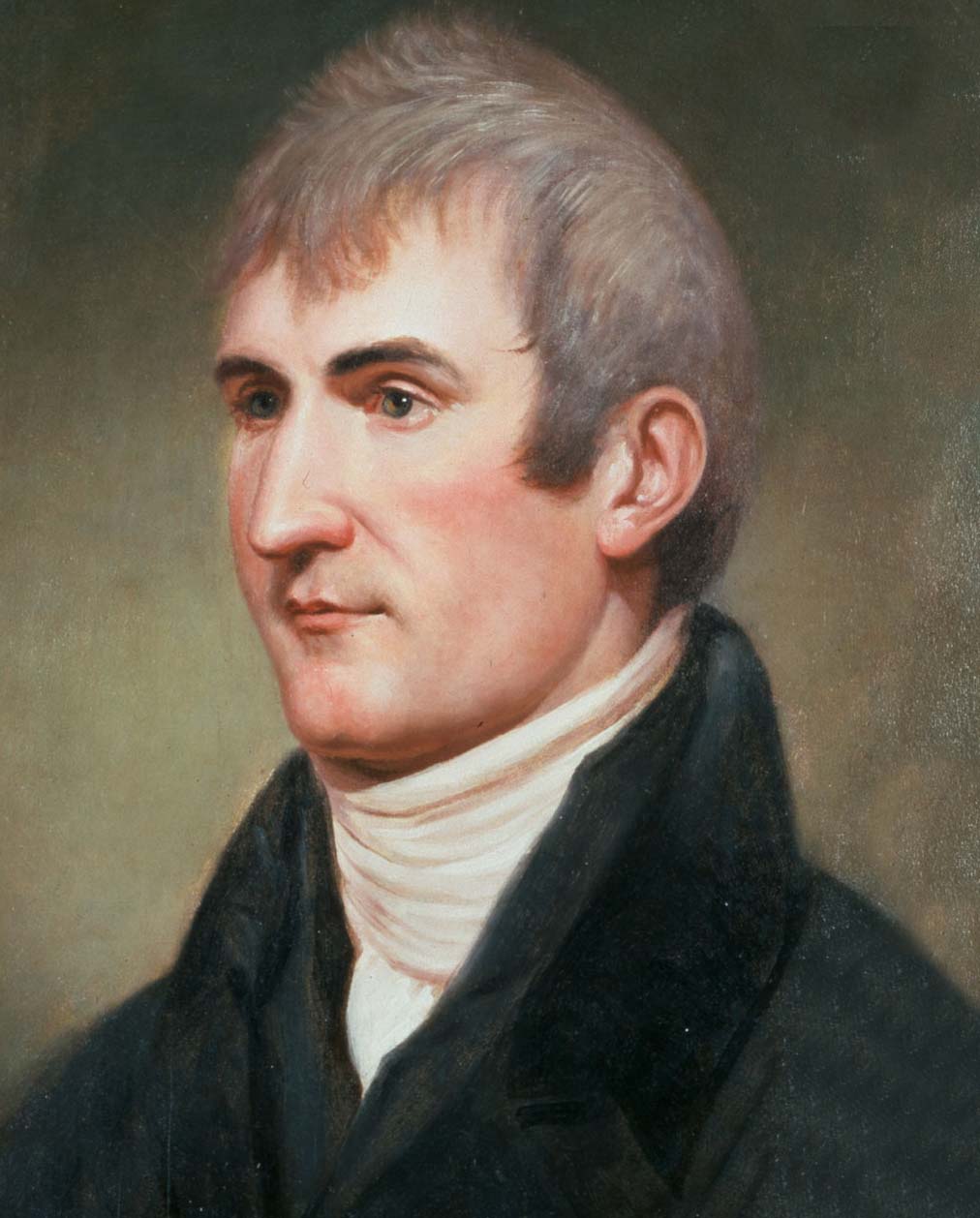


September 13, 1804 was, by every account, an unremarkable day of travel along the Missouri near the mouth of the White River — cloudy, rainy, mosquito-plagued, with a head wind and shallow water crowded with sand bars. What makes the date worth examining is not the events but the dramatic divergence in how five narrators recorded the same handful of incidents: George Drouillard’s four trapped beaver, a porcupine shot out of a cottonwood, and a shore party stranded by a willow island.
One Porcupine, Five Treatments
The porcupine is the day’s organizing event, and the contrast in coverage is striking. Lewis devotes nearly his entire entry to it, producing what amounts to a field zoology note. He records the weight (15 to 20 lbs
), counts the toes (four long toes, before on each foot, and the same number behind with the addition of one short one on each hind foot on the inner side
), notes the immature quills, compares the animal’s forefeet to those of a sloth and its teeth and eyes to a beaver, and even pronounces on the meat:
the flesh of this anamal is a pleasant and whoalsome food
Lewis also reasons from evidence to behavior, observing that the cottonwood’s leaves were much distroyed
and inferring that the porcupine fed on the folage of trees at this season.
Clark records the same kill in a single clause — Capt Lewis killed a Porcupin on a Cotton treee fieeding on the leaves & bowers of the Said tree
— preserving the foliage-feeding observation but none of the anatomy. Ordway, by contrast, attributes the kill to Shannon during the shore party’s plum-hunting excursion and reports the consumption rather than the description: Eat one porcupine for Supper.
Whitehouse and Gass do not mention the porcupine at all.
Whether Lewis and Shannon each killed a porcupine, or whether Ordway has misattributed Lewis’s kill, the entries do not resolve. The shore party was separated from the boat by a willow island and sand bars, which would explain how a second animal could have been taken independently — or how rumor of the captain’s specimen could have reached the walkers in garbled form.
The Shore Party Ordway Alone Preserves
Ordway’s entry is the longest and the only one that records the day from the walkers’ perspective. He names his companions — myself Serg* Pryor & Shannon
— describes the errand (plums in a bottom prairie, found plentiful but unripe), and explains the navigational problem that kept them from rejoining the boat: we could not git to the Boat for a willow Island which was between & Sand bars.
None of the other four narrators mentions the shore party’s existence. Clark, captaining the boat, simply notes shallow water and sand bars without indicating that part of his command was on the wrong side of an island.
Ordway also catalogues the geology and botany the captains skip: a run of allum & copperass water,
grape vines covered with ripe grapes,
and the cottonwood grove they camped in. Clark’s geological note is comparative rather than descriptive — the Bluffs on the S. S. not So much impregnated with mineral as on the L. S.
— useful only when read alongside Ordway’s specifics.
Whitehouse Following Ordway, Gass Following No One
Whitehouse’s brief entry shows the documented pattern of his dependence on Ordway: he repeats the beaver count (G. Drewyer caught 4 beaver last night
), the black bluffs on the south side, the three hunters who had not returned, and the north-side camp. What he omits is everything Ordway witnessed personally — the shore walk, the plums, the porcupine supper, the willow island. Whitehouse copies the public facts and drops the participatory detail, which is consistent with secondhand transcription rather than independent observation.
Gass is shorter still and shares no distinctive phrasing with Ordway or Whitehouse. His Some of our men went out to hunt; but did not return this evening
matches Whitehouse’s hunter count but uses different language, suggesting parallel reporting of a camp-level fact rather than copying. Gass alone notes the wind was ahead
— a boatman’s detail.
Cross-read, the five entries demonstrate the expedition’s documentary stratigraphy in miniature: Lewis the naturalist, Clark the pilot and comparativist, Ordway the participant-chronicler, Whitehouse the abbreviator, and Gass the laconic summarist — each preserving a layer the others discard.


