
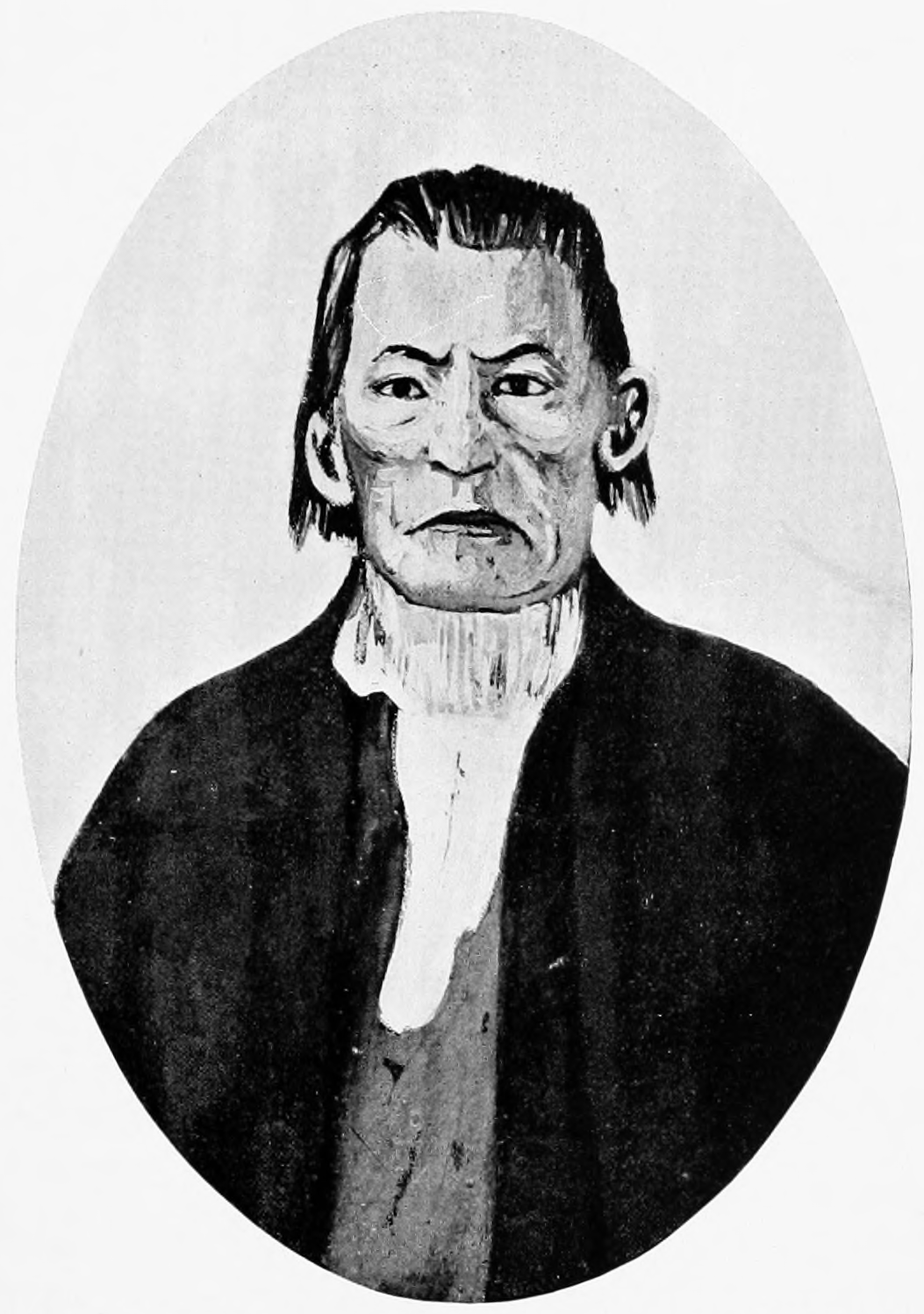

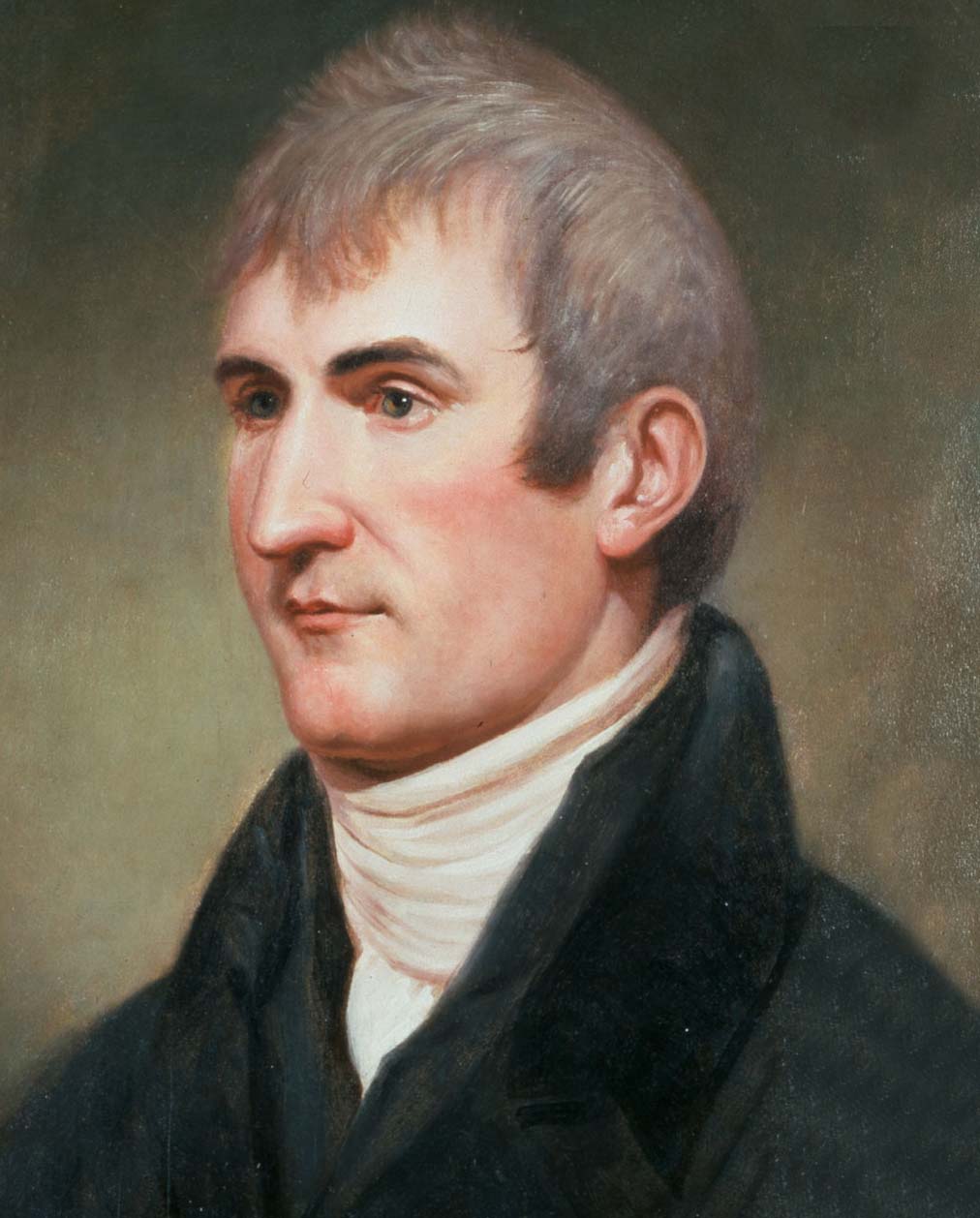
The entries of May 25, 1806, written from the Long Camp on the Clearwater, illustrate how dramatically the four expedition diarists could diverge in scope and emphasis when describing identical events. All four men — Patrick Gass, John Ordway, William Clark, and Meriwether Lewis — record the same morning rain, the same departure of hunters, and the same unsuccessful attempt to sweat a paralyzed Nez Perce man. Yet the entries range from a few terse lines to one of Clark’s most ambitious zoological digressions of the entire journey.
The Failed Sweat: Four Versions of One Event
The treatment of the disabled Indian provides the day’s clearest case of cross-narrator comparison. Gass offers the briefest and most optimistic account, writing simply that “to day we gave him a sweat” — a statement that, read alone, suggests success. Ordway, by contrast, candidly acknowledges the failure: the captains
undertook to Sweet the Sick Indian but he being quite helpless did not carry it into effect
Clark and Lewis, the two officers who actually conducted the attempt, agree closely on the cause. Clark records that the patient “was not able either to Set up or be Supported in the place prepared for him,” while Lewis writes nearly the same sentence: “he was unable to set up or be supported in the place.” The verbatim overlap between the two captains is typical of their shared journal practice, where one almost certainly read or copied from the other. Gass’s claim that a sweat was administered appears, in light of the captains’ accounts, to be either premature or mistaken — a useful reminder that the sergeant’s published journal sometimes smooths over difficulties the officers recorded plainly.
Lewis alone reaches beyond description toward a wistful technological speculation:
I am confident that this would be an excellent subject for electricity and much regret that I have it not in my power to supply it.
This reference to electrotherapy — a fashionable medical experiment in the early republic — appears in no other narrator’s entry and reflects Lewis’s distinctive habit of pairing field medicine with Enlightenment theory.
Sacagawea’s Child and the Domestic Register
The illness of the interpreter’s child receives different emphases as well. Gass mentions only that the child “has been very sick, but is getting bet- ter.” Clark and Lewis disagree with him outright: Clark writes that “The child is not So well to day as yesterday,” and Lewis that “the Child is more unwell than yesterday.” The captains additionally record specific treatments — cream of tartar, an onion poultice, and, when the cream of tartar failed to operate, a clyster. Ordway omits the child entirely. The pattern is consistent across the journals: domestic and medical detail concerning Sacagawea’s family flows most fully through the captains, with Gass producing a sanitized summary and Ordway focused on practical camp labor — in this case, the burning-out of a canoe.
Clark’s Bear Essay
The day’s most striking feature is Clark’s extended meditation on the bears of the region, prompted by a man’s purchase of a cream-colored bear skin from the natives. Neither Gass nor Ordway mentions the skin at all. Lewis records the day’s bear news only obliquely, through Gibson’s report of a wounded female with two cubs, “one of which was white and other as black as jett.” Clark seizes the same observation and builds from it a sustained taxonomic argument:
this Skin… together with the defferent Sizes colours &c. of those which have been killed by our hunters give me a Stronger evidence of the various Coloured bear of this country being one Species only, than any I have heretofore had.
He then catalogs the diagnostic features distinguishing this species — what we now recognize as the grizzly — from the common black bear: longer talons, longer and finer pelage, larger tushes, predatory habits, shorter denning periods, and the inability or refusal to climb trees. He notes too the regional variation in temperament, suggesting that Clearwater grizzlies are less ferocious than those of the Missouri “perhaps from the Circumstance of their being compeled from the scercity of game in this quarter to live more on roots.”
The passage demonstrates Clark’s increasing confidence as a naturalist by this stage of the return journey. Where Lewis typically led on scientific description during the outbound voyage, here it is Clark who synthesizes hunter reports, native testimony, and a single trade skin into a unified zoological hypothesis — and one that, in its insistence on a single polymorphic species, has largely been borne out.
Registers in Contrast
Read together, the four entries map the expedition’s stratified literary economy on a single quiet Sunday: Gass produces compressed public-facing narrative, Ordway logs labor and hunter movements, Lewis adds theoretical and medical reflection, and Clark expands a chance observation into formal natural history. The same rainy morning at Camp Chopunnish thus yields four very different documents — and four very different windows onto what the expedition was attempting to be.


