
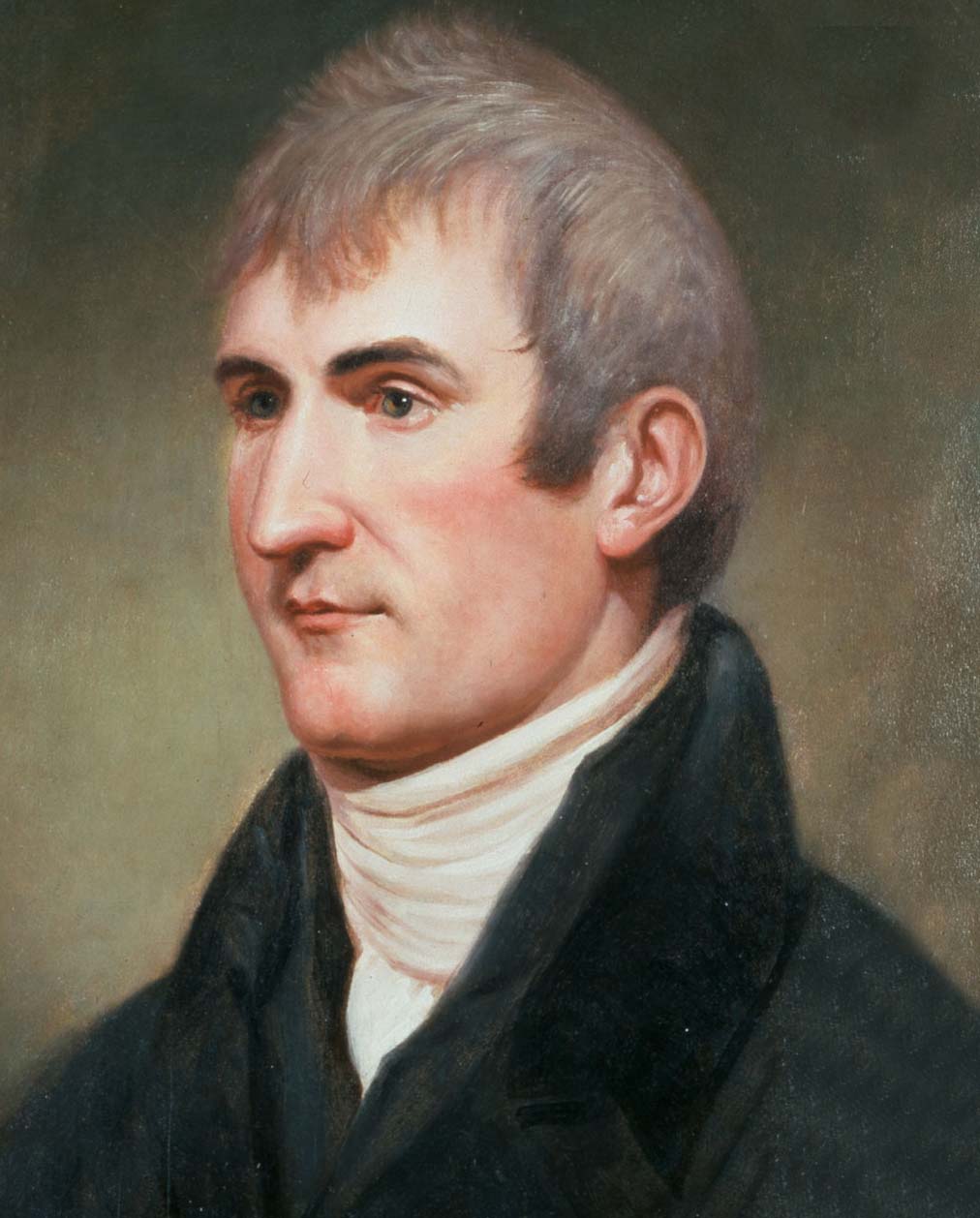

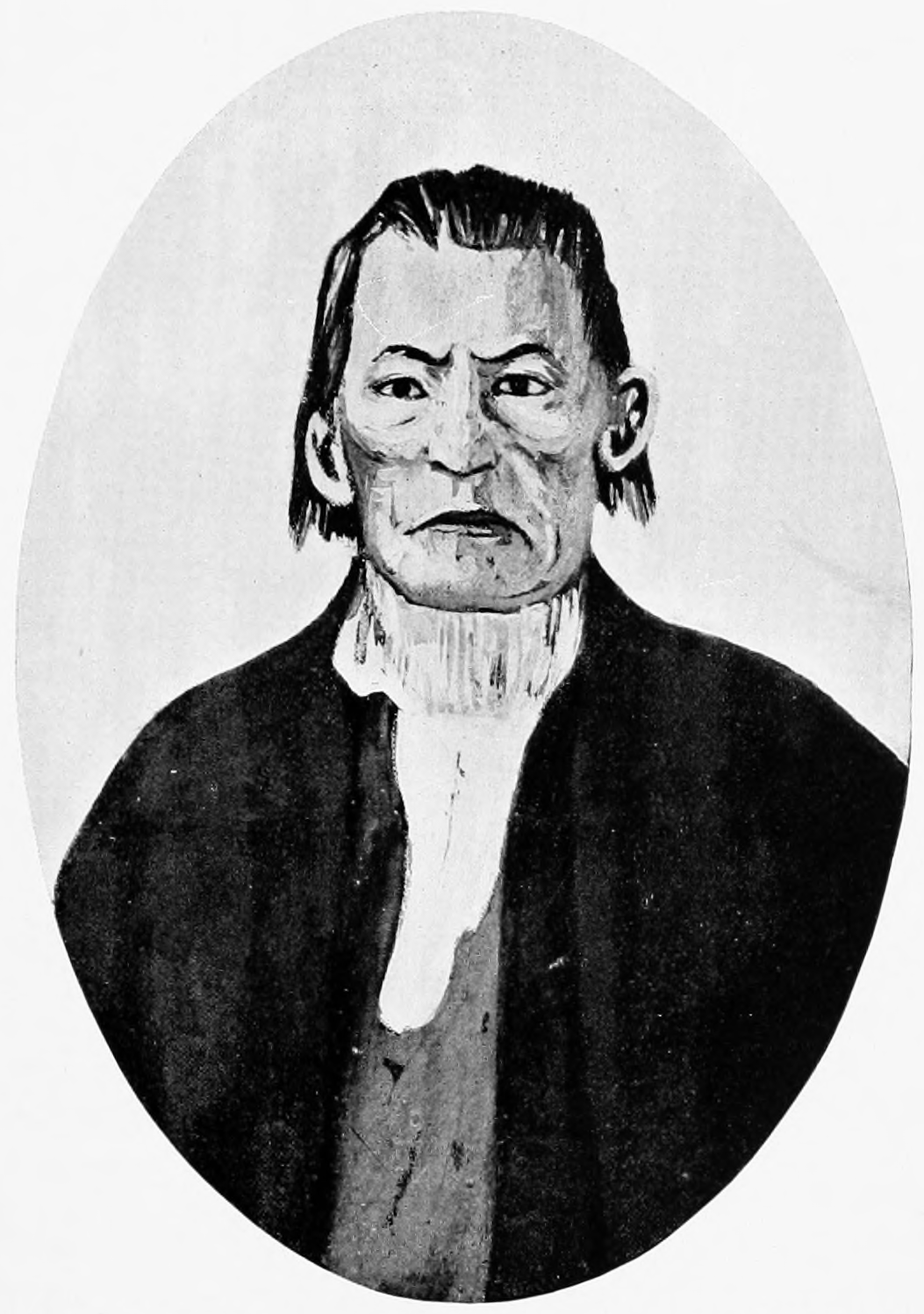
The entry of April 21, 1806 preserves among the ethically charged moments of the entire Corps of Discovery expedition: the only documented instance in which Captain Meriwether Lewis physically struck a Native person. Four narrators—Lewis himself, William Clark, Sergeant John Ordway, and Sergeant Patrick Gass—each record the day, but their accounts diverge sharply in framing, detail, and what they choose to omit.
Four Versions of a Single Blow
Gass, writing for an eventual reading public (his journal was the first published, in 1807), is the most morally explicit. He frames the incident as exceptional and notes Lewis’s anger directly:
an Indian stole some iron articles from among the men’s hands; which so irritated Captain Lewis, that he struck him; which was the first act of the kind, that had happened during the expedition. The Indians however did not resent it, otherwise it is probable we would have had a skirmish with them.
Gass alone weighs the danger of retaliation, suggesting an awareness that the captains’ authority over Native relations had momentarily slipped. Ordway, writing in the same noncommissioned-officer register, is more elliptical in his main text but his editor’s footnote supplies what Ordway will not: that Lewis "completed the job by ordering the men to kick him out of camp." Ordway himself only complains generically that the Indians "are verry troublesome to us have stole 5 or 6 tommahawks Iron Spoons &C."
Lewis, by contrast, narrates the episode in extended self-justifying detail. He catches the man himself, administers the punishment personally, and then delivers a speech to the assembled chiefs:
I detected a fellow in stealing an iron socket of a canoe pole and gave him several severe blows and mad the men kick him out of camp. I now informed the indians that I would shoot the first of them that attempted to steal an article from us. that we were not affraid to fight them, that I had it in my power at that moment to kill them all and set fire to their houses, but it was not my wish to treat them with severity provided they would let my property alone.
Lewis’s escalation from blow, to expulsion, to threat of mass killing and arson is recorded without apparent embarrassment. He notes that "the chiefs were present hung their heads and said nothing"—a detail he reads as acquiescence rather than as the diplomatic restraint Gass intuits.
Most striking is what Clark does not record. Clark was at the Enesher village above the falls when the incident occurred at the Skillute camp below; he received Lewis’s report secondhand. Yet his journal entry passes over the striking entirely, mentioning only that "the Chief from below Came up and appeared Concerned for what had been done at his Village (See Journal)." The parenthetical cross-reference—pointing the reader to Lewis’s fuller account—functions as a quiet act of editorial deference. Clark, ordinarily forthright about disciplinary matters, declines to duplicate or endorse Lewis’s narrative.
Frustration, Hunger, and the Limits of Trade
Beneath the violence lies a converging frustration that all four narrators record: trade had collapsed. Clark writes plainly, "I find it useless to offer any articles or attempt to trade at this village." He had subsisted, he tells Lewis, on "a couple of platters of pounded roots and fish which an old man had the politeness to offer him"—a courtesy Clark repeats almost verbatim in his own entry, suggesting he wanted the kindness preserved against the day’s other tone. Lewis confirms the detail in nearly identical phrasing, indicating that the captains compared notes that evening and one transcribed from the other.
The horse economy is similarly strained. Lewis recovers a previously paid-for horse only by threatening to seize it; the seller "prefered" producing a replacement "and produced me a very good horse which I very cheerfully received." Gass and Ordway both note the substitution without registering the coercion behind it. Ordway writes simply, "the Indians returned us a horses in liew of one of those we lost."
Register and Witness
The day’s records illustrate how rank and audience shape expedition writing. Lewis writes as commander justifying his conduct to posterity. Clark writes as co-commander managing the joint record, eliding what he cannot endorse. Gass writes as a sergeant-turned-author conscious of moral framing for civilian readers. Ordway writes the briefest account, his omissions filled only later by an editorial footnote. Together the four entries map not only the events of April 21, 1806 but the differing pressures—command, diplomacy, publication, discipline—that shaped what each man was willing to set down.


