
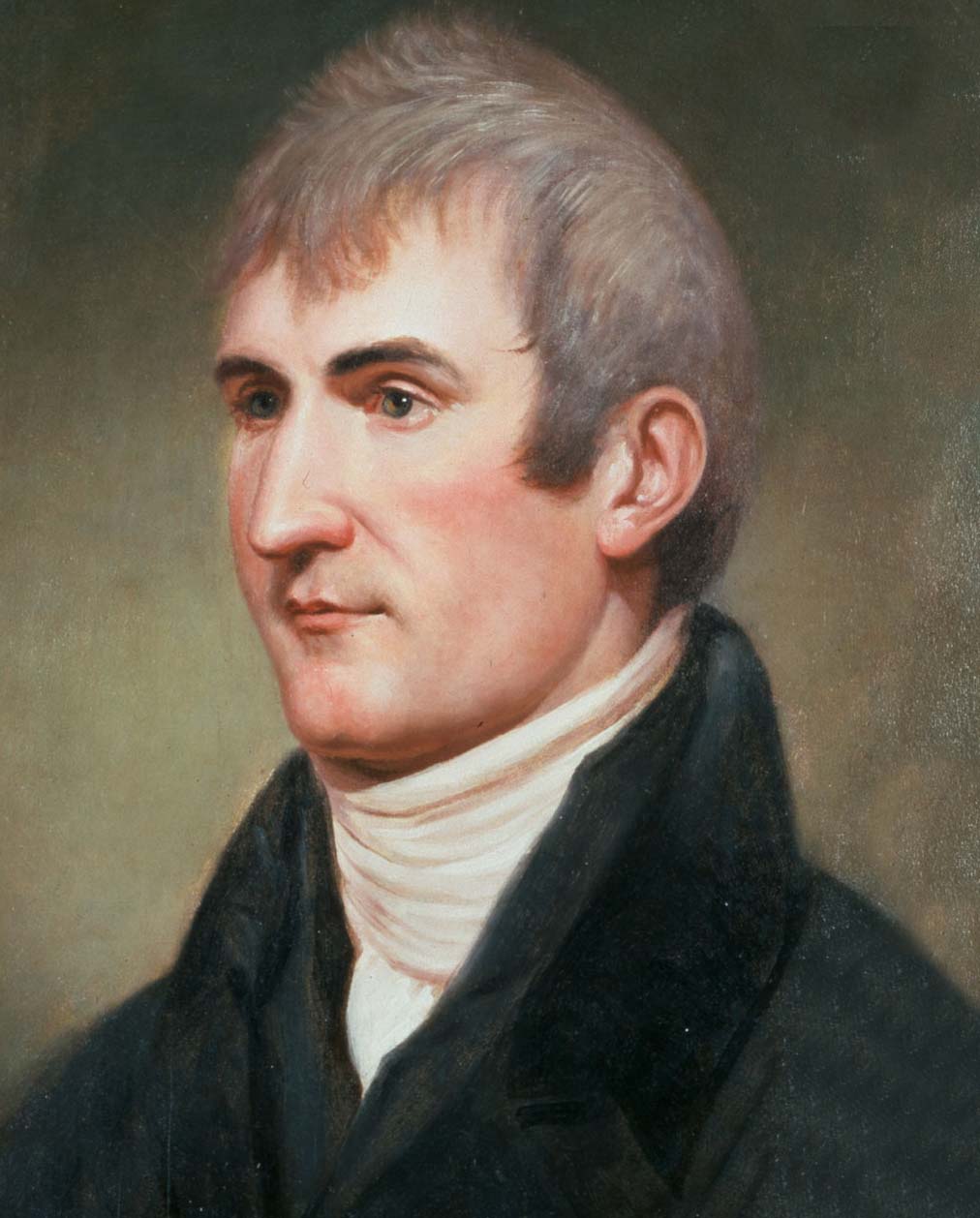

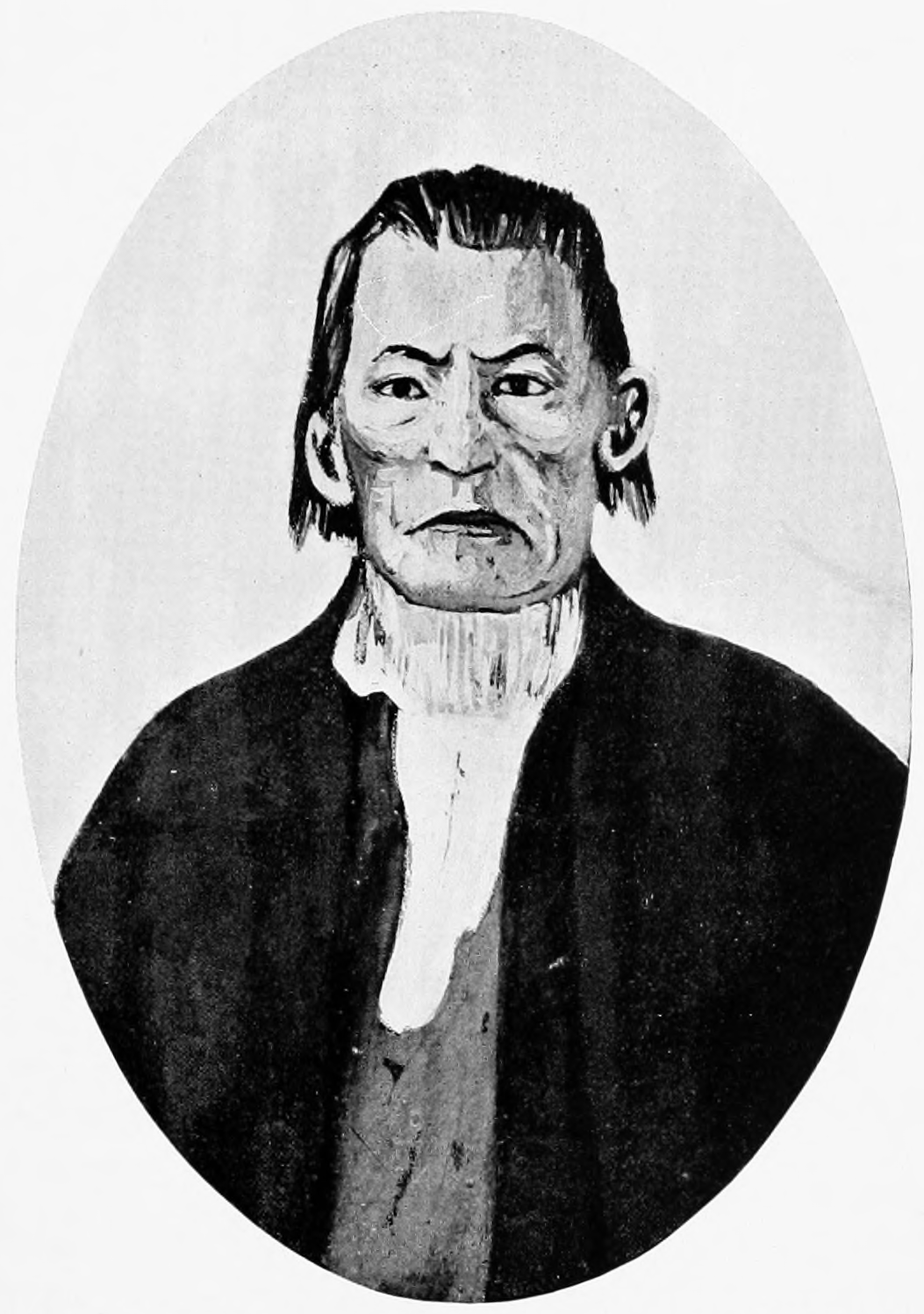
The journal entries of July 5, 1805, written from the Great Falls Portage camp, illustrate the sharply different registers and priorities of the expedition’s three principal diarists on a single day. Meriwether Lewis devotes nearly his entire entry to the construction and drying of his iron-framed leather boat — a personal engineering project he had carried up the Missouri with great expectations. William Clark, by contrast, narrates the day from the perspective of the hunt and the camp’s exterior labors. Sergeant Patrick Gass compresses the entire day into a single sentence about meat brought in at night.
Lewis’s Anxious Engineering
Lewis’s entry is by far the longest and the most introspective. Having moved the boat into the open, scaffolded her, and kindled fires beneath her to hasten drying, he sets men to pounding charcoal to compound with beeswax and buffalo tallow — a substitute caulking after pitch-bearing pine proved unavailable on the upper Missouri. The tone wavers between pride and dread:
now my only hope and resource for paying my boat; I sincerely hope it may answer yet I fear it will not. the boat in every other rispect completely answers my most sanguine expectation; she is not yet dry and eight men can carry her with the greatest ease; she is strong and will carry at least 8,000 lbs.
Lewis already diagnoses the failure he fears, noting that
the stitches begin to gape very much since she has began to dry
and reasoning that a sharp-pointed awl rather than a cutting needle would have preserved the seams. This is the entry of a man who has invested his reputation in an experiment and is watching the evidence accumulate against him. Within days the boat would indeed leak and be abandoned.
Clark’s External View
Clark’s entry covers the same camp but from outside the boat shed. He records the weather (
worm and Sultrey
), the unsuccessful stalk on a large gang of buffalo whose pursuit he led personally, the day’s tally of three buffalo, two wolves, and three antelope, and the three men sent to view the falls. His single sentence on the leather boat is striking in its brevity:
Capt. Lewis much engaged in Completeing the Leather boat.
Where Lewis devotes paragraphs to charcoal, beeswax, gaping stitches, and carrying capacity, Clark dispatches the project in seven words. The division of attention is characteristic: throughout the expedition Clark tends to chronicle the party’s movements and the country’s resources, while Lewis turns inward toward natural history, technical problems, and reflection.
Clark also notices what Lewis does not —
great numbers of young black birds
— a small ornithological detail from the hand usually thought less attentive to such things than Lewis. It is a useful reminder that the conventional contrast between Lewis-the-naturalist and Clark-the-cartographer breaks down on any given page.
Gass’s Sergeant’s-Eye Compression
Patrick Gass, writing for what would become the first published account of the expedition, reduces the day to its bottom line:
us who were engaged at the boat, went to hunt; at night they came in and had killed several buffaloe and some cabres or antelopes.
Gass identifies himself with the boat-working detail (us who were engaged at the boat), confirming Lewis’s reference to the men assigned to the project, but he offers no detail about the work itself. His vocabulary preserves the frontier French loanword cabres for antelope — a usage neither captain employs on this date — suggesting he is registering the spoken speech of the camp’s engagés and Canadian hands rather than the captains’ more anglicized antelopes. Gass’s economy is partly a function of his journal’s purpose: a sergeant’s daily log rather than a captain’s report to Jefferson.
Cross-Narrator Patterns
The three accounts converge on a small set of verifiable facts — three buffalo, two wolves, three antelope, three men sent to the falls, the leather boat under work — but diverge sharply in what each narrator considers worth recording around those facts. Lewis alone offers the meditative observation that scattered buffalo herds, however distant, tend to travel in one direction when undisturbed, and that the plains here are less fertile and stonier than below the Musselshell. These are the kinds of generalizations Clark and Gass typically leave to him. Conversely, Clark’s notice of the young blackbirds and Gass’s vernacular cabres each preserve something the other narrators miss. Read together, the three entries demonstrate why no single journal suffices: the day at the portage camp exists fully only in their overlap.


