

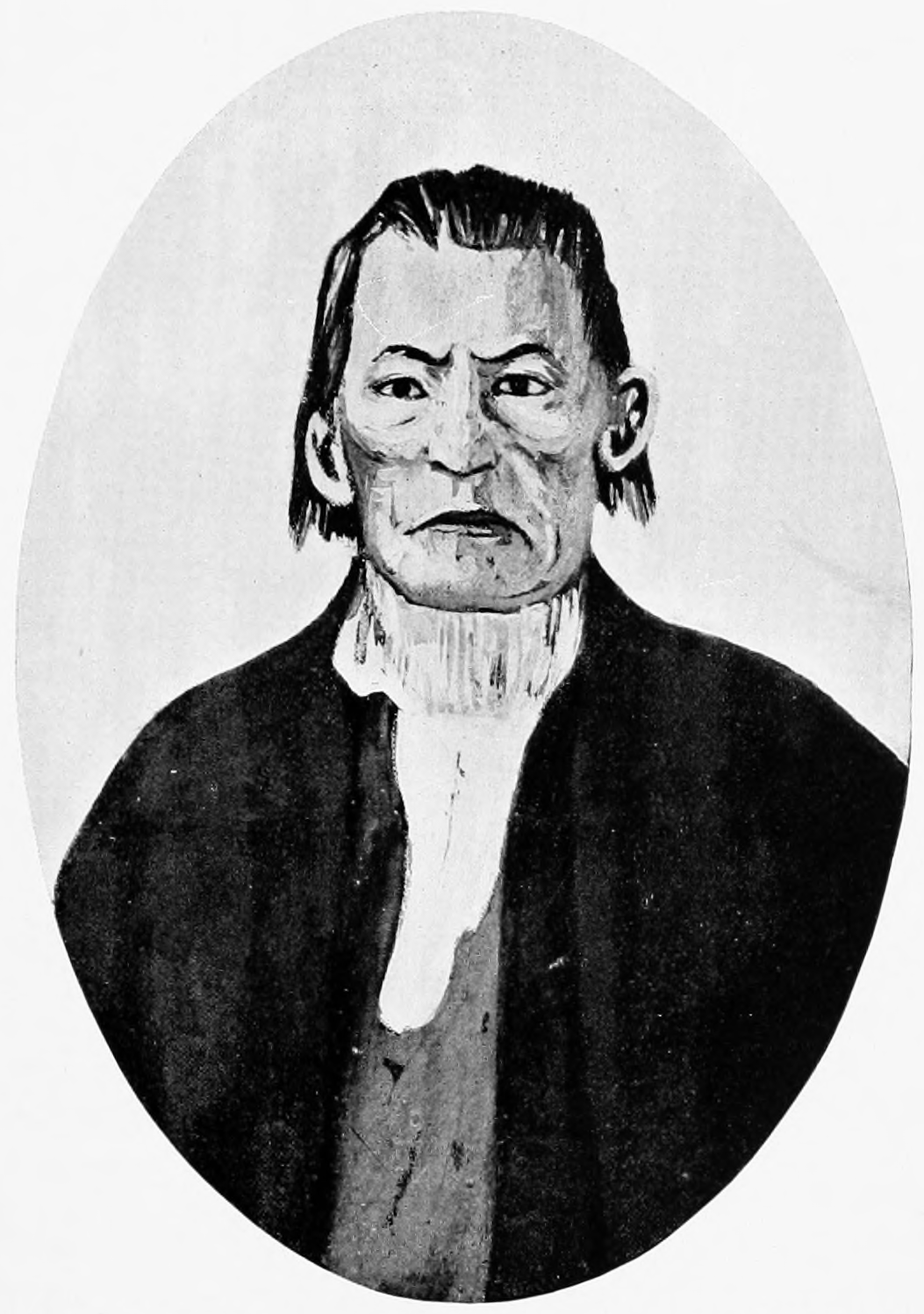
The Corps of Discovery spent October 26, 1805, encamped below the Celilo Falls portage at the mouth of Mill Creek, drying soaked stores, repairing battered canoes, and receiving a delegation of two principal chiefs from the villages above the falls. Three journalists — Captain William Clark, Sergeant John Ordway, and Sergeant Patrick Gass — describe substantially the same events, yet the entries differ dramatically in length, ethnographic ambition, and sensory texture. Read together, they illustrate how the expedition’s record was layered: a captain’s expansive field notebook, a sergeant’s competent middle register, and a published narrative pared for a reading public.
The Same Day, Three Lengths
Clark’s entry runs to several hundred words and braids together at least eight distinct subjects: the canoe repairs, the hunters’ bag, the chiefs’ arrival, gift exchange, an evening of music, a meal, ornithological observation, geological notice of “Timm or falls Mountain,” the rising river, fleas, and intelligence about Snake Indian warfare. Ordway and Gass, by contrast, each compress the day into a single paragraph.
The hunters’ tally is a useful index of how each man weighs detail. Clark records that the hunters “killed five Deer, 4 verry large gray Squirrels, a goose & Pheasent,” plus a gigged salmon trout. Ordway tallies “5 Deer a goose and a gray Squerrell” with the same gigged trout. Gass rounds off to “6 deer and some squirrels” and omits the fish entirely. The progression — Clark’s specificity, Ordway’s near-match, Gass’s generalization — is consistent with the pattern visible across many shared days: Ordway often appears to have had access to Clark’s count or to a shared mess report, while Gass’s published text smooths numbers for readability.
The Chiefs’ Visit: Diplomacy in Three Registers
All three narrators record the arrival of the principal chiefs from the villages above the falls. Gass, characteristically diplomatic and brief, notes simply:
about 20 of the natives came to our camp (among whom were the head chiefs of the two villages about the falls) who had been out hunting when we passed down. The Commanding Officers gave medals to the chiefs, and some other small articles; and they appeared satisfied and some remained with us all night.
Ordway counts the visitors’ canoes (“made in form of Sciffs”) and pivots immediately to a linguistic project that Gass omits entirely:
our officers took down some of the language from these Savages and compared with all other we have passd and find them to be all of the flat head nation nation but different tribes, we think the flat head nation to be more than ten thousand Strong
This vocabulary-collecting moment — entirely absent from Gass and only implicit in Clark — is one of the more valuable ethnographic notes of the date and shows Ordway attending to the captains’ philological work. Clark’s account of the same encounter is the most personal of the three. He details the gifts exchanged in both directions: a dressed elk skin, deer meat, and “2 Cakes of white bread made of white roots” from the chiefs; medals, a red silk handkerchief, a knife, an armband, paint, a comb, ribbon, a tin gorget, and venison hams in return. Where Gass writes that the chiefs “appeared satisfied,” Clark gives the evening texture:
we had a fire made for them & one man played on the violin which pleased them much my Servent danced
The reference to York dancing for the visiting chiefs — a detail with significant historical weight — appears nowhere in Ordway or Gass.
What Only Clark Notices
Clark alone records the meal of gigged salmon trout “fried in a little Bears oil which a Chief gave us yesterday” and pronounces it “the finest fish I ever tasted.” He alone notes “great numbers of white Crams” (cranes) flying high, the bearing of Falls Mountain to the southwest, elk and bear sign in the white oak woods, and — with a captain’s strategic ear — the intelligence that these villagers “are at Ware with the Snake Indians on the river which falls in a few miles above this.” He also dwells, with characteristic candor, on the fleas picked up in the abandoned lodges along the larboard side of the falls: “with every exertion the men Can’t get rid of them.”
Ordway adds one observation Clark echoes but Gass omits: “the River raised considerable this afternoon.” Clark quantifies it at “nearly 8 Inches” and speculates about a tide — a navigational note pointing the expedition’s attention toward the Pacific still days away. The convergence on the river’s rise, paired with Ordway’s and Clark’s shared linguistic-and-tribal framing, suggests the two sergeants conferred with the captains in the evening; Gass, writing for eventual publication, kept his own counsel and his own narrower frame.


