Clark: April 12, 1806
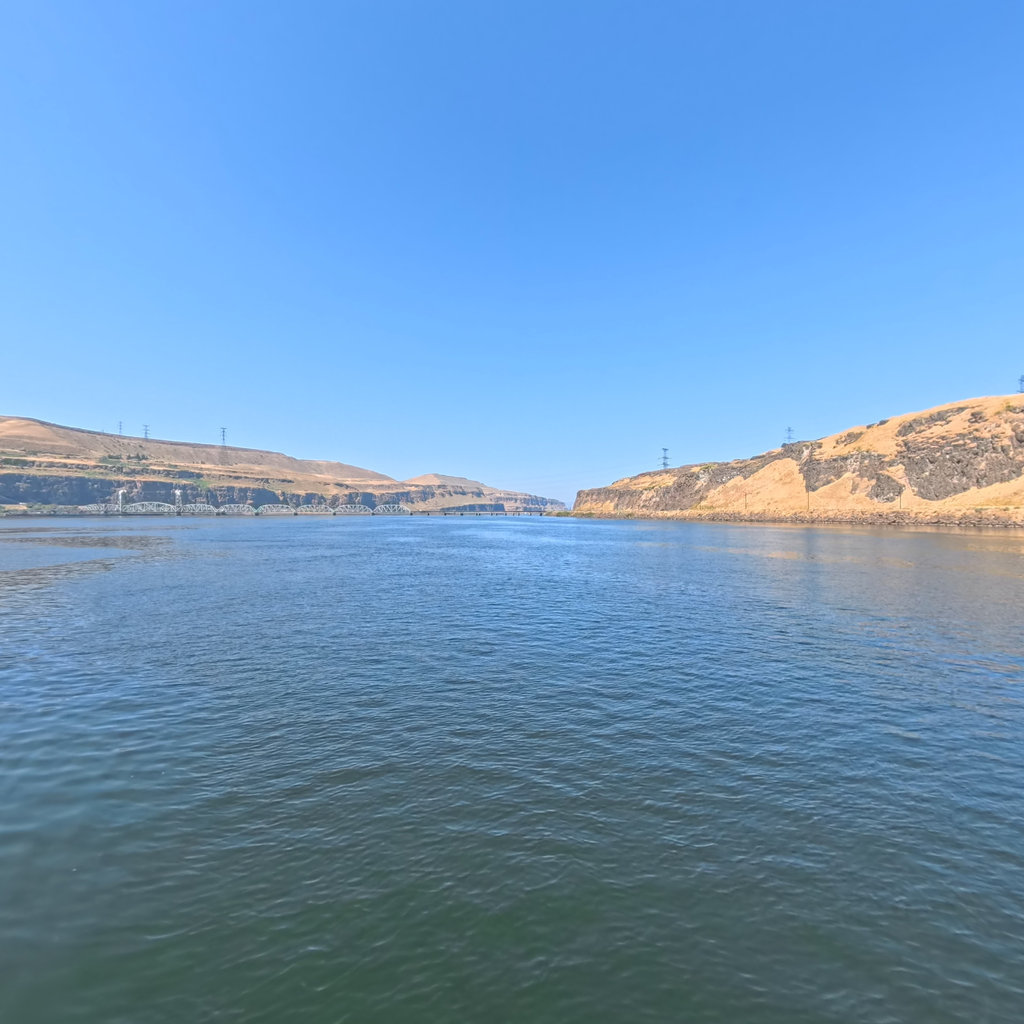
Rain fell through much of the day as the party worked to recover a canoe lost while attempting to maneuver past a rock; the strong current overpowered the men and the canoe was swept away, likely forcing the purchase of a replacement. The crew portaged baggage one and a half miles, carrying short guns as a precaution against theft. Fewer Native visitors came than the previous day. Clark traveled to the head of the portage with a Clahclallah chief, meeting about 20 Wyachhich people who seemed friendlier. He purchased a sheep skin robe, chapellell, and roots. Lewis recorded a vocabulary. Three days' progress totaled only seven miles.
Saturday April 12th 1806. rained the greater part of the last night and
this morning untile 10 A.M. we employed all hands in attempting to take up
the lost Canoe. in attempting to pass by a rock against which the Current
run with emence force, the bow unfortunately took the Current at too great
a distance from the rock, She turned broad Side to the Stream, and the
exertions of every man was not Sufficient to hold her. the men were
Compelled to let go the rope and both the Canoe and rope went with the
Stream. the loss of this Canoe will I fear Compell us to purchase another
at an extravigent price. after brackfast all hands who were employed in
Carrying the baggage over the portage 11/2 miles which they performed by 4
P.M. the nativs did not visit us in Such Crouds to day as yesterday. we
Caused all the men of the party who ha Short guns to carry them on the
portage for fear of Some attempt on the part of the nativs to rob the
party. The rain Continued at intervales all day. in the evening after
everry thing was taken from the lower Camp I Set out myself accompanied by
the Cheif of the Clah-clal lars to the head of the portage. as we passed
the remains of an old Village about half way the portage, this Cheif
informed me that this old Village had been the residence of his Tribe
dureing the last Salmon Season. this village I mentiond in decending this
river, but did not know the Tribes that had inhabited it that time. Capt.
Lewis took a vocabulary of the languge of those people whilst I had all
the baggage taken across the portage & we formed a Camp at the place
we had encamped on our way down.
at my arival at the head of the portage found about 20 of the natives of
the Wy ach hich tribe who reside above the rapids, with Capt Lewis. those
people appeared much better disposed towards us than either the
Clahclallah or Wahclellah and Condemn their Conduct much. Those tribes I
believe to be all the Same Nation their Language habits manners dress
&c. are presisely alike and differ but little from those below the
Great Narrows of this river. I observed a woman with a Sheep Skin robe on
which I purchased for one Elk and one deer Skin. the father of this woman
informed me that he had killed the animal off of which he had taken this
Skin on the mountains imediately above his village, and that on those
mountains great numbers of those animals were to be found in large flocks
among the Steep rocks. I also purchased 2 pieces of Chapellell and Some
roots of those people. as the evening was rainey and ourselves and party
wet we Concluded to delay untill the morning and dry our selves. The
Indians left us about 6 P M and returned to their Village on the opposit
Side. mountains are high on each Side and Covered with Snow for about 1/3
of the way down. the growth is principally fir and White Cedar. the
bottoms and low Situations is Covered with a variety Such as Cotton, large
leafed ash, Sweet willow a Species of beech, alder, white thorn, cherry of
a Small Speces, Servis berry bushes, Huckleberries bushes, a Speces of
Lorel &c. &c. I saw a turkey buzzard which is the 3rd which I have
Seen west of the rocky mountains. the 1st was on the 7 inst. above quick
Sand river. for the three last days this inclusive we have made 7 miles
only.
Read this entry in modern English AI-translated
Saturday April 12th 1806. It rained for most of last night and this morning until 10 A.M. We put all hands to work attempting to recover the lost canoe. While trying to pass by a rock against which the current ran with immense force, the bow unfortunately caught the current too far from the rock, she turned broadside to the stream, and the efforts of every man were not enough to hold her. The men were compelled to let go of the rope, and both the canoe and the rope went with the stream. The loss of this canoe will, I fear, compel us to purchase another at an extravagant price. After breakfast all hands were employed in carrying the baggage over the portage of 1 1/2 miles, which they completed by 4 P.M. The natives did not visit us in such crowds today as yesterday. We had all the men of the party who had short guns carry them on the portage for fear of some attempt by the natives to rob the party. The rain continued at intervals all day. In the evening, after everything was taken from the lower camp, I set out myself accompanied by the chief of the Clah-clal-lars to the head of the portage. As we passed the remains of an old village about halfway along the portage, this chief informed me that this old village had been the residence of his tribe during the last salmon season. I mentioned this village when descending this river, but did not know at that time the tribes that had inhabited it. Capt. Lewis (Capt. Lewis) took a vocabulary of the language of those people while I had all the baggage taken across the portage, and we formed a camp at the place where we had camped on our way down.
On my arrival at the head of the portage, I found about 20 of the natives of the Wy-ach-hich tribe, who reside above the rapids, with Capt. Lewis. These people appeared much better disposed toward us than either the Clahclallah or Wahclellah, and they strongly condemn their conduct. I believe those tribes are all the same nation; their language, habits, manners, dress, etc., are precisely alike, and differ but little from those below the Great Narrows of this river. I observed a woman with a sheep skin robe on, which I purchased for one elk and one deer skin. The father of this woman informed me that he had killed the animal from which he had taken this skin on the mountains immediately above his village, and that on those mountains great numbers of these animals were to be found in large flocks among the steep rocks. I also purchased 2 pieces of chapellell and some roots from these people. As the evening was rainy and ourselves and the party were wet, we concluded to delay until morning and dry ourselves. The Indians left us about 6 P.M. and returned to their village on the opposite side. The mountains are high on each side and covered with snow for about 1/3 of the way down. The growth is principally fir and white cedar. The bottoms and low areas are covered with a variety of trees such as cottonwood, large-leafed ash, sweet willow, a species of beech, alder, white thorn, cherry of a small species, serviceberry bushes, huckleberry bushes, a species of laurel, etc., etc. I saw a turkey buzzard, which is the 3rd I have seen west of the Rocky Mountains. The 1st was on the 7th of this month, above Quicksand River. For the three last days, this one included, we have made only 7 miles.
This modernization is AI-generated for accessibility. The original above is the authoritative version.
Entities mentioned in this entry
Auto-extracted from the entry text. Hover any entity for context.