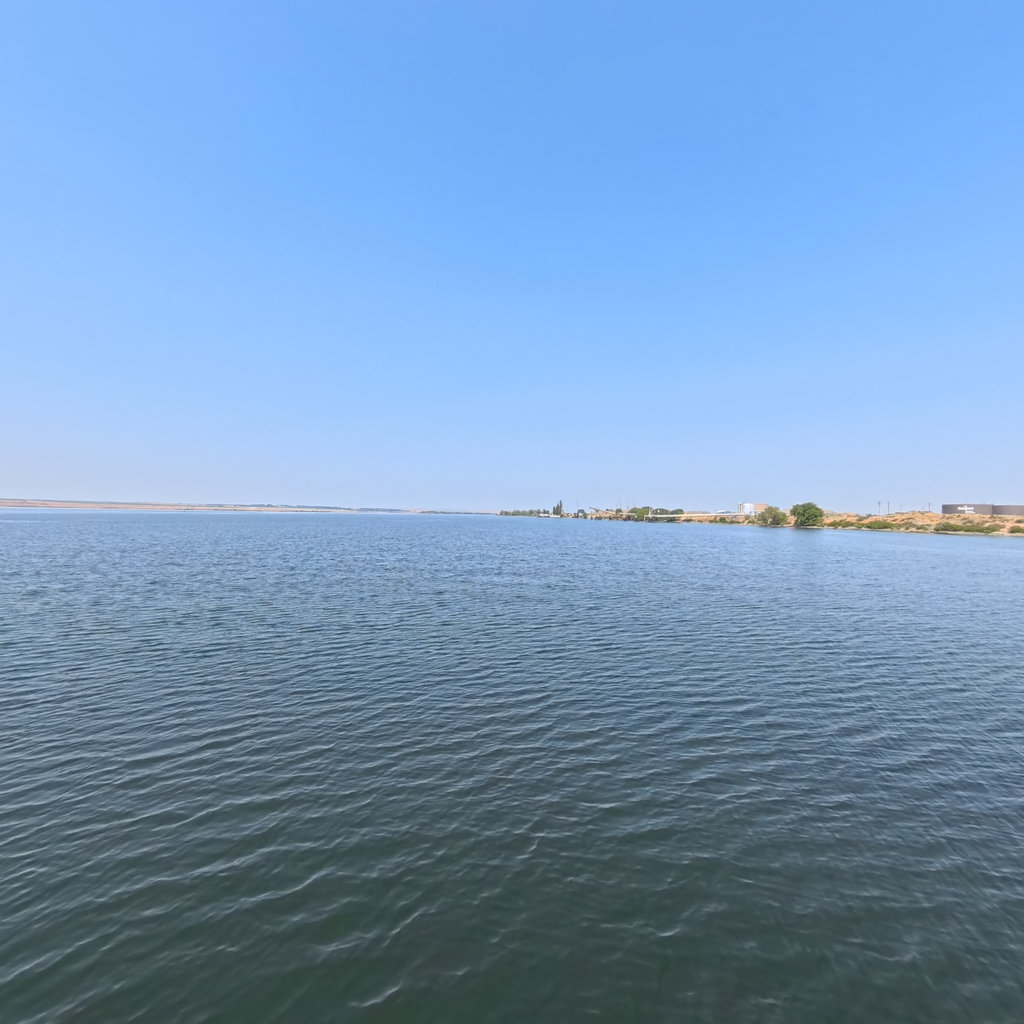
Clark: April 25, 1806
The expedition gathered horses and set out at 9 AM, traveling 11 miles to a Pish-quit-pah village of 52 mat lodges and roughly 700 people, where they bought five dogs and some wood, dined, and named a chief with a small medal. After failing to purchase horses there, they continued nine more miles, passing a five-lodge War-war-wa village and naming another chief. One hired horse was stolen from Hall. They camped, traded for two horses, played the fiddle for the natives, and covered 20 miles through sandy country.
Friday 25th of April 1806 This morning we Collected our horses very
conveniently and Set out at 9 A M and proceeded on to a village of
Pish-quit-pahs of 52 mat Lodges 11 miles this village Contains about 700
Soles here we turned out our horses and bought 5 dogs & some wood and
dined here we met with a Chief and gave him a Medal of the Small Size. we
passed a house a little above the place we encamped on the 20th of Octr.
1805. we offered to purchase with what articles we had Such as old Clothes
&c. emence numbers of those Indians flocked about us and behaved with
distant respect towards us. we attempted to purchase Some horses without
Suckcess. at 4 P. M Set out. I was in the rear and had not proceeded verry
far before one of the horses which we had hired of the Chopunnish, was
taken from Hall who I had directed to ride. he had fallen behind out of my
sight at the time. we proceeded on about 9 miles through a Country Similar
to that of yesterday and encamped below the mouth of a Small Creek we
passed at 4 miles a Village of 5 Mat Lodges of the War-war-wa Tribe. We
made a Chief and gave a medal to a Chief of each of those two tribes.
great numbers of the nativs accompanied us to our encampmt. The Curloos
are abundant in those plains & are now laying their eggs. Saw the
Kildee the brown Lizzard, and a moonax which the nativs had petted. the
Winds which Set from mount hood or in a westwardly direction are much more
cold than those from any other quarter. there are no dews in these plains,
and from the appearance of the earth there appears to have been no rain
for Several Weeks. The pish-quit pahs may be considered as hunters as well
as fishermen as they Spend the fall & winter months in that
occupation. they are generally pleasently featured of good Statue and well
proportiond. both women and men ride extreamly well. their bridle is
usially a hair rope tied with both ends to the under jaw of the horse, and
their Saddles Consist of a pad of dressed Skin Stuffed with goats hair
with wooden Sturreps. almost all the horses I have Seen in the poss ession
of the Indians have Sore backs.
The pishquitpahs women for the most part dress with Short Shirts which
reach to their knees long legins, and mockersons, they also use long
robes; Some of them weare only the truss and robe, they brade their hair
as before discribed but the heads of neither the male nor female of this
tribe are So much flattend as the nativs lower down on this river. we were
accompd. by 18 or 20 young men on horsback. we Continued our rout about 9
miles, where finding as maney Willows as would answer our purpose for fuel
we encamped for the night. the Country we passed through was Sandy
indifferent rocky and hills on the left. proceeded up on the North Side
the river hills are about 250 feet high & generally abrupt and Craggey
in maney places faced with a pirpendicular and Solid rock. this rock is
black and hard. leavel plains extend themselves from the top of the river
hills to a great distance on either Side of the river. the Soil is not as
fertile as about the falls tho it produces low grass on which the horses
feed very Conveniently. it astonished me to See the order of their horses
at this Season of the year when I know they had wintered on dry grass of
the plains and at the Same time rode with greater Severity than is Common
among ourselves. I did not See a Single horse which Could be deemed pore,
and maney of them were verry fat. their horses are generally good. this
evening after we had encamped we traded for two horses with nearly the
Same articles we had offered at the Village. these Nags Capt. L-s and
myself intend rideing ourselves; haveing now a Sufficency to transport
with ease all our baggage and the packs of the men.we killed 6
ducks in the course of the day; one of them were of a Species I had never
before Seen. the legs yellow and feet wibbed as those of the
duckinmallard. Saw great numbers of Common Lizzard. Several rattle Snakes,
killed by the party, they are the Same as those Common to the U. States.
the Horned Lizzard is also Common.a Chief over took us. we had the
fiddle played by the request of the nativs and Some of the men danced. I
think those plains are much more Sandy than any which I have Seen and the
road is a bed of loose Sand. made 20 miles.
Read this entry in modern English AI-translated
Friday, 25th of April 1806. This morning we collected our horses very conveniently and set out at 9 A.M. and proceeded on to a village of Pish-quit-pahs of 52 mat lodges, 11 miles away. This village contains about 700 souls. Here we turned out our horses and bought 5 dogs and some wood and dined. Here we met with a chief and gave him a medal of the small size. We passed a house a little above the place we camped on the 20th of October 1805. We offered to purchase with what articles we had, such as old clothes, etc. Immense numbers of these Indians flocked about us and behaved with distant respect towards us. We attempted to purchase some horses without success. At 4 P.M. we set out. I was in the rear and had not proceeded very far before one of the horses which we had hired from the Chopunnish was taken from Hall, whom I had directed to ride it. He had fallen behind out of my sight at the time. We proceeded on about 9 miles through a country similar to that of yesterday and camped below the mouth of a small creek. We passed at 4 miles a village of 5 mat lodges of the War-war-wa tribe. We made a chief and gave a medal to a chief of each of those two tribes. Great numbers of the natives accompanied us to our encampment. The curlews are abundant in these plains and are now laying their eggs. Saw the killdeer, the brown lizard, and a moonax (woodchuck) which the natives had as a pet. The winds which set from Mount Hood, or in a westwardly direction, are much more cold than those from any other quarter. There are no dews in these plains, and from the appearance of the earth there appears to have been no rain for several weeks. The Pish-quit-pahs may be considered as hunters as well as fishermen, as they spend the fall and winter months in that occupation. They are generally pleasantly featured, of good stature, and well proportioned. Both women and men ride extremely well. Their bridle is usually a hair rope tied with both ends to the under jaw of the horse, and their saddles consist of a pad of dressed skin stuffed with goat's hair, with wooden stirrups. Almost all the horses I have seen in the possession of the Indians have sore backs.
The Pish-quit-pah women for the most part dress with short shirts which reach to their knees, long leggings, and moccasins. They also use long robes; some of them wear only the truss and robe. They braid their hair as before described, but the heads of neither the male nor female of this tribe are so much flattened as the natives lower down on this river. We were accompanied by 18 or 20 young men on horseback. We continued our route about 9 miles, where, finding as many willows as would answer our purpose for fuel, we camped for the night. The country we passed through was sandy, indifferent, rocky, with hills on the left. We proceeded up on the north side of the river. The hills are about 250 feet high and generally abrupt and craggy, in many places faced with a perpendicular and solid rock. This rock is black and hard. Level plains extend themselves from the top of the river hills to a great distance on either side of the river. The soil is not as fertile as about the falls, though it produces low grass on which the horses feed very conveniently. It astonished me to see the condition of their horses at this season of the year, when I know they had wintered on dry grass of the plains and at the same time were ridden with greater severity than is common among ourselves. I did not see a single horse which could be deemed poor, and many of them were very fat. Their horses are generally good. This evening, after we had camped, we traded for two horses with nearly the same articles we had offered at the village. These nags Capt. Lewis and myself intend riding ourselves, having now a sufficiency to transport with ease all our baggage and the packs of the men. We killed 6 ducks in the course of the day; one of them was of a species I had never before seen. The legs were yellow and the feet webbed like those of the mallard. Saw great numbers of common lizards. Several rattlesnakes were killed by the party; they are the same as those common to the U.S. The horned lizard is also common. A chief overtook us. We had the fiddle played at the request of the natives, and some of the men danced. I think these plains are much more sandy than any which I have seen, and the road is a bed of loose sand. Made 20 miles.
This modernization is AI-generated for accessibility. The original above is the authoritative version.
Entities mentioned in this entry
Auto-extracted from the entry text. Hover any entity for context.