Clark: April 26, 1805
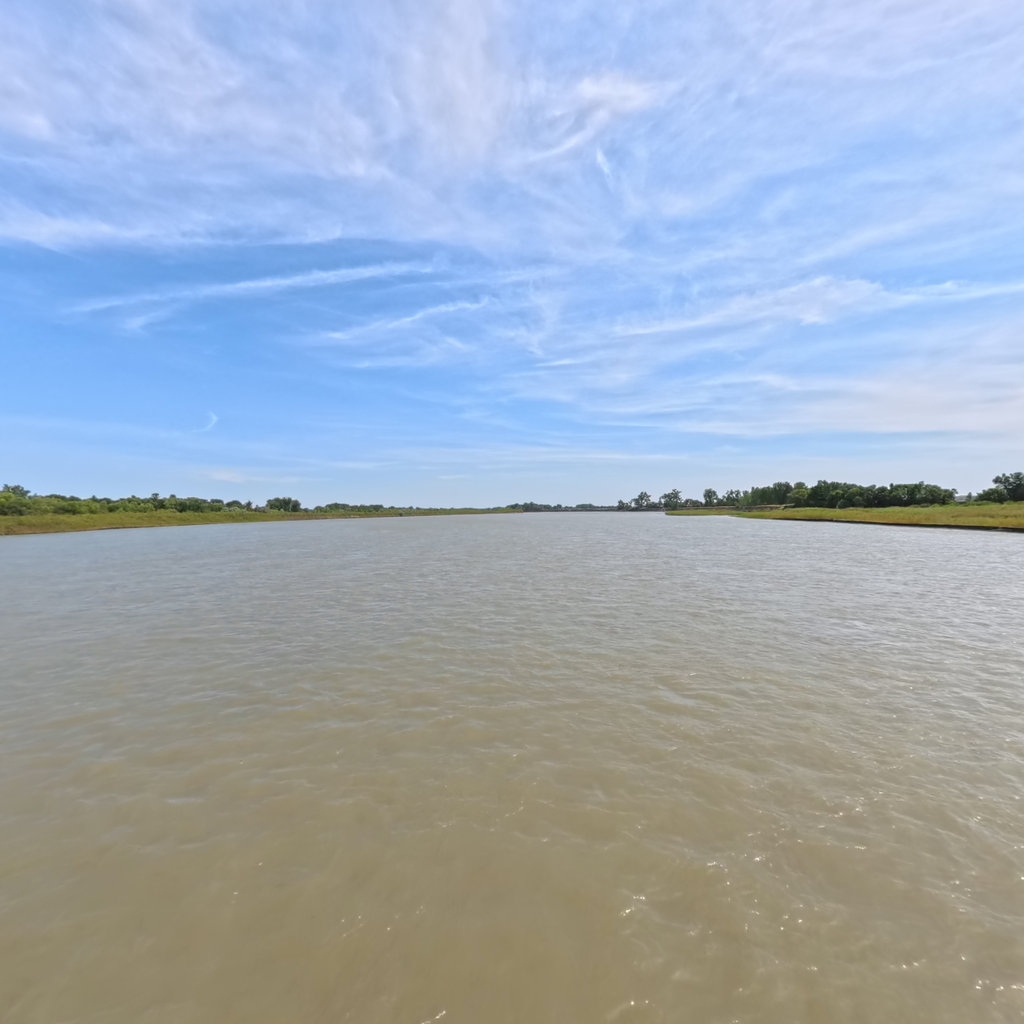
On a cold morning with the thermometer at 32°F, Clark walked the bank and shot a beaver and two deer. He noted the river bottom vegetation, cottonwood and elm timber, and white clay bluffs containing coal seams. At noon the party reached the confluence of the Yellowstone and Missouri Rivers and made camp. Clark measured both rivers' widths and depths, recorded Indian information about the Yellowstone's navigability and tributaries, and identified a fine site for a future fort. Hunters killed a buffalo cow and calves. Captain Lewis rejoined him that evening.
26th of April Friday 1805 last night was verry Cold. the Thermometer Stood
at 32 abov 0 this morning. I Set out at an early hour, as it was cold I
walked on the bank, & in my walk Shot a beaver & 2 Deer, one of
the Deer in tolerable order, the low bottom of the river is generaly
Covered with wood willows & rose bushes, red berry, wild Cherry &
red or arrow wood intersperced with glades The timber is Cottonwood
principally, Elm Small ash also furnish a portion of the timber, The Clay
of the bluffs appear much whiter than below, and Contain Several Stratums
of Coal, on the hill Sides I observe pebbles of different Size &
ColourThe river has been riseing for Several days, & raised 3
inches last night, at 12 oClock arrived at the forks of the Roche Johne
& Missouri and formed a Camp on the point Soon after George Drewyer
Came from Capt Lewis & informed me that he was a little way up the
Roche johne and would join me this evining, I Sent a canoe up to Capt
Lewis and proceeded measure the width of the rivers, and find the debth.
The Missouri is 520 yards wide above the point of yellow Stone and the
water covers 330 yards; the YellowStone River is 858 yards wide includeing
its Sand bar, the water covers 297 yards and the deepest part is 12 feet
water, it is at this time falling, the Missouri rising The Indians inform
that the yellow Stone River is navagable for Perogues to near its Source
in the Rocky Mountains, it has many tributary Streams, principally on the
S. E. Side, and heads at no great distance from the Missouri, the largest
rivers which fall into it is Tongue river which heads with the waters of
River Platt, and Big horn river which also heads with Platt & Tongue R
the current of this river is Said to be rapid near its mouth it is verry
jentle, and its water is of a whitish colour much Clearer of Sediment than
the Missouri. the Countrey on this river is Said to be broken in its whole
Course & Contains a great deel of wood, the countrey about its mouth
is verry fine, the bottoms on either Side is wooded with Cotton wood, ash,
Elm &c. near the banks of the river back is higher bottoms and Covered
with red berry, Goose berry & rose bushes &. interspersed with
Small open Glades, and near the high land is Generally open rich bottomsat
our arrival at the forks I observed a Drove of Buffalow Cows & Calves
on a Sand bar in the point, I directed the men to kill the fattest Cow,
and 3 or 4 Calves, which they did and let the others pass, the Cows are
pore, Calves fine veele.
Capt Lewis joined me in the evening after takeing equal altitudes a little
way up the YellowStone river the Countrey in every direction is plains
except the moist bottoms of the river, which are covered with Some
indifferent timber Such as Cotton wood Elm & Small ash, with different
kind of Stubs & bushes in the forks about 1 mile from the point at
which place the 2 rivers are near each other a butifull low leavel plain
Commences, and extends up the Missourie & back, this plain is narrow
at its commencement and widens as the Missouri bends north, and is
bordered by an extencive wood land for many miles up the yellow Stone
river, this low plain is not Subject to over flow, appear to be a few
inches above high water mark and affords a butifull commanding Situation
for a fort near the commencement of the Prarie, about ____ miles from the
Point & ____ yards from the Missouri a Small lake is Situated, from
this lake the plain rises gradually to a high butifull Countrey, the low
Plain continues for Some distance up both rivers on the Yellow Stone it is
wide & butifull opsd. the point on the S. Side is Some high timbered
land, about 11/2 miles below on the Same Side a little distance from the
water is an elivated plainSeveral of the party was up the yellow
Stone R Several miles, & informed that it meandered throught a
butifull Countrey Joseph Fields discovered a large Creek falling into the
Yellowstone River on the S E Side 8 miles up near which he Saw a big horn
animal, he found in the Prarie the horn of one of those animals which was
large and appeared to have laid Several years I Saw maney buffalow dead on
the banks of the river in different places Some of them eaten by the white
bears & wolves all except the Skin & bones, others entire, those
animals either drounded in attempting to Cross on the ice dureing the
winter or Swiming across to bluff banks where they Could not get out &
too weak to return we Saw several in this Situation.
emence numbers of antelopes in the forks of the river, Buffalow & Elk
& Deer is also plenty beaver is in every bend. I observe that the
Magpie Goose duck & Eagle all have their nests in the Same
neighbourhood, and it is not uncommon for the Magpie to build in a few
rods of the eagle, the nests of this bird is built verry Strong with
Sticks Covered verry thickly with one or more places through which they
enter or escape, the Goose I make no doubt falls a pray to those vicious
eagles
Read this entry in modern English AI-translated
26th of April, Friday 1805. Last night was very cold. The thermometer stood at 32 above 0 this morning. I set out at an early hour. As it was cold, I walked on the bank, and in my walk I shot a beaver and 2 deer, one of the deer in tolerable condition. The low bottom of the river is generally covered with wood, willows, rose bushes, red berry, wild cherry, and red or arrow wood, interspersed with glades. The timber is principally cottonwood; elm and small ash also furnish a portion of the timber. The clay of the bluffs appears much whiter than below, and contains several layers of coal. On the hillsides I observe pebbles of different sizes and colors. The river has been rising for several days, and rose 3 inches last night.
At 12 o'clock I arrived at the forks of the Roche Jaune (Yellowstone) and Missouri, and formed a camp on the point. Soon after, George Drewyer (Drouillard) came from Capt Lewis (Capt. Lewis) and informed me that he was a little way up the Roche Jaune and would join me this evening. I sent a canoe up to Capt Lewis and proceeded to measure the width of the rivers and find the depth. The Missouri is 520 yards wide above the point of Yellowstone, and the water covers 330 yards. The Yellowstone River is 858 yards wide including its sandbar; the water covers 297 yards, and the deepest part is 12 feet of water. It is at this time falling, while the Missouri is rising.
The Indians inform us that the Yellowstone River is navigable for pirogues to near its source in the Rocky Mountains. It has many tributary streams, principally on the southeast side, and heads at no great distance from the Missouri. The largest rivers which fall into it are Tongue River, which heads with the waters of the River Platte, and Big Horn River, which also heads with the Platte and Tongue Rivers. The current of this river is said to be rapid; near its mouth it is very gentle, and its water is of a whitish color, much clearer of sediment than the Missouri. The country on this river is said to be broken throughout its whole course, and contains a great deal of wood. The country about its mouth is very fine; the bottoms on either side are wooded with cottonwood, ash, elm, etc. Near the banks of the river back are higher bottoms covered with red berry, gooseberry, and rose bushes, etc., interspersed with small open glades, and near the high land are generally open rich bottoms.
At our arrival at the forks, I observed a herd of buffalo cows and calves on a sandbar at the point. I directed the men to kill the fattest cow and 3 or 4 calves, which they did, and let the others pass. The cows are poor, the calves fine veal.
Capt Lewis joined me in the evening after taking equal altitudes a little way up the Yellowstone River. The country in every direction is plains except the moist bottoms of the river, which are covered with some indifferent timber such as cottonwood, elm, and small ash, with different kinds of stubs and bushes. In the forks, about 1 mile from the point, at which place the 2 rivers are near each other, a beautiful low level plain commences and extends up the Missouri and back. This plain is narrow at its commencement and widens as the Missouri bends north, and is bordered by extensive woodland for many miles up the Yellowstone River. This low plain is not subject to overflow, appearing to be a few inches above high water mark, and affords a beautiful commanding situation for a fort near the commencement of the prairie. About ____ miles from the point and ____ yards from the Missouri, a small lake is situated. From this lake, the plain rises gradually to a high, beautiful country. The low plain continues for some distance up both rivers; on the Yellowstone it is wide and beautiful. Opposite the point, on the south side, is some high timbered land. About 1 1/2 miles below, on the same side, a little distance from the water, is an elevated plain.
Several of the party went up the Yellowstone River several miles, and informed me that it meandered through a beautiful country. Joseph Fields discovered a large creek falling into the Yellowstone River on the southeast side 8 miles up, near which he saw a bighorn animal. He found in the prairie the horn of one of those animals, which was large and appeared to have laid for several years. I saw many buffalo dead on the banks of the river in different places, some of them eaten by the white bears and wolves, all except the skin and bones, others entire. These animals either drowned in attempting to cross on the ice during the winter, or swam across to bluff banks where they could not get out and were too weak to return. We saw several in this situation.
Immense numbers of antelope are in the forks of the river. Buffalo, elk, and deer are also plenty; beaver is in every bend. I observe that the magpie, goose, duck, and eagle all have their nests in the same neighborhood, and it is not uncommon for the magpie to build within a few rods of the eagle. The nests of this bird are built very strong with sticks, covered very thickly, with one or more places through which they enter or escape. The goose, I make no doubt, falls prey to those vicious eagles.
This modernization is AI-generated for accessibility. The original above is the authoritative version.
Entities mentioned in this entry
Auto-extracted from the entry text. Hover any entity for context.