Lewis: April 26, 1805
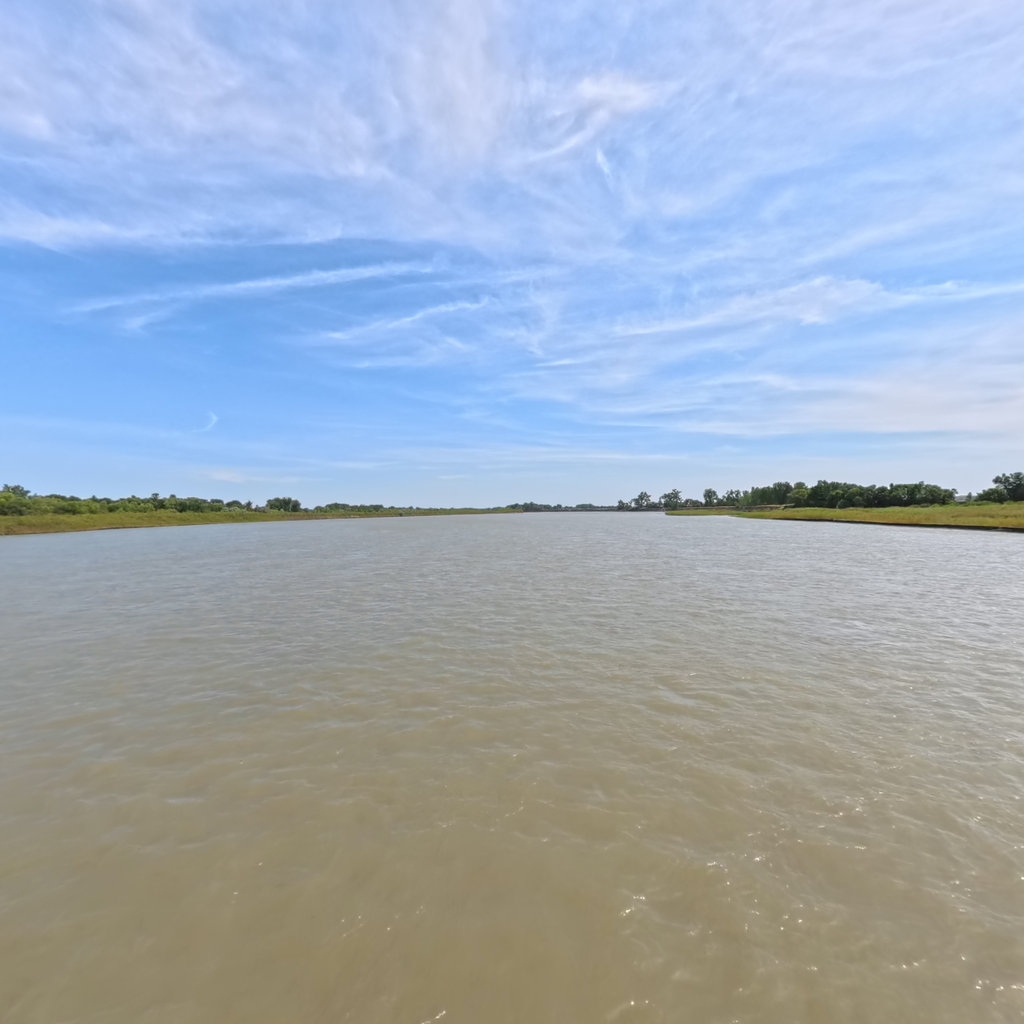
Lewis sent Joseph Fields to scout up the Yellowstone River while he walked with one man to view the confluence of the Yellowstone and Missouri rivers, about two miles northwest of camp. He described the surrounding timber, vegetation, and wildlife in detail. Around noon, Captain Clark's party arrived, having shot a buffalo cow and several calves. Clark measured both rivers at their junction. To celebrate reaching this long-anticipated spot, Lewis ordered a dram of liquor for each man, and the party spent the evening fiddling, singing, and dancing.
Friday April 26th 1805. This morning I dispatched Joseph Fields up the
yellowstone river with orders to examine it as far as he could
conveniently and return the same evening; two others were directed to
bring in the meat we had killed last evening, while I proceeded down the
river with one man in order to take a view of the confluence of this great
river with the Missouri, which we found to be two miles distant on a
direct line N. W. from our encampment. the bottom land on the lower side
of the yellowstone river near it’s mouth for about one mile in width
appears to be subject to inundation; while that on the opposite side of
the Missouri and the point formed by the junction of these rivers is of
the common elivation, say from twelve to 18 feet above the level of the
water, and of course not liable to be overflown except in extreem high
water, which dose not appear to be very frequent there is more timber in
the neighbourhood of the junction of these rivers, and on the Missouri as
far below as the White earth river, than there is on any part of the
Missouri above the entrance of the Chyenne river to this place. the timber
consists principally of Cottonwood, with some small elm, ash and boxalder.
the under growth on the sandbars and verge of the river is the small
leafed willow; the low bottoms, rose bushes which rise to three or four
feet high, the redburry, servicebury, and the redwood; the high bottoms
are of two discriptions either timbered or open; the first lies next to
the river and it’s under brush is the same with that of the low timbered
bottoms with the addition of the broad leafed willow, Goosbury, choke
cherry, purple currant; and honeysuckle bushis; the open bottoms border on
the hills, and are covered in many parts by the wild hyssop which rises to
the hight of two feet. I observe that the Antelope, Buffaloe Elk and deer
feed on this herb; the willow of the sandbars also furnish a favorite
winter food to these anamals as well as the growse, the porcupine, hare,
and rabbit. about 12 Olock I heard the discharge of several guns at the
junction of the rivers, which announced to me the arrival of the paty with
Capt Clark; I afterwards learnt that they had fired on some buffaloe which
they met with at that place, and of which they killed a cow and several
Calves; the latter are now fine veal. I dispatched one of the men to Capt
Clark requesting him to send up a canoe to take down the meat we had
killed and our baggage to his encampmt, which was accordingly complyed
with. after I had completed my observations in the evening I walked down
and joined the party at their encampment on the point of land fromed by
the junction of the rivers; found them all in good health, and much
pleased at having arrived at this long wished for spot, and in order to
add in some measure to the general pleasure which seemed to pervade our
little community, we ordered a dram to be issued to each person; this soon
produced the fiddle, and they spent the evening with much hilarity,
singing & dancing, and seemed as perfectly to forget their past toils,
as they appeared regardless of those to come. in the evening, the man I
had sent up the river this morning returned, and reported that he had
ascended it about eight miles on a streight line; that he found it
crooked, meandering from side to side of the valley formed by it; which is
from four to five miles wide. the corrent of the river gentle, and it’s
bed much interrupted and broken by sandbars; at the distance of five miles
he passed a large Island well covered with timber, and three miles higher
a large creek falls in on the S. E. sides above a high bluff in which
there are several stratas of coal. the country bordering on this river as
far as he could percieve, like that of the Missouri, consisted of open
plains. he saw several of the bighorned anamals in the couse of his walk;
but they were so shy that he could not get a shoot at them; he found a
large horn of one of these anamals which he brought with him. the bed of
the yellowstone river is entirely composed of sand and mud, not a stone of
any kind to be seen in it near it’s entrance. Capt Clark measured these
rivers just above their confluence; found the bed of the Missouri 520
yards wide, the water occupying 330. it’s channel deep. the yellowstone
river including it’s sandbar, 858 yds. of which, the water occupyed 297
yards; the depest part 12 feet; it was falling at this time & appeard
to be nearly at it’s summer tide.the Indians inform that the
yellowstone river is navigable for perogues and canoes nearly to it’s
source in the Rocky Mountains, and that in it’s course near these
mountains it passes within less than half a day’s march of a navigable
part of the Missouri. it’s extreem sources are adjacent to those of the
Missouri, river platte, and I think probably with some of the South branch
of the Columbia river. the first part of its course lies through a
mountanous rocky country tho well timbered and in many parts fertile; the
middle, and much the most extensive portion of the river lies through a
delightfull rich and fertile country, well covered with timber,
intersperced with plains and meadows, and well watered; it is some what
broken in many parts. the lower portion consists of fertile open plains
and meadows almost entirely, tho it possesses a considerable proportion of
timber on it’s borders. the current of the upper portion is extreemly
rappid, that of the middle and lower portions much more gentle than the
Missouri. the water of this river is turbid, tho dose not possess as much
sediment as that of the Missouri. this river in it’s course recieves the
waters of many large tributary strains principally from the S. E. of which
the most considerable are the Tongue and bighorn rivers the former is much
the largest, and heads with the river Platte and Bighorn river, as dose
the latter with the Tongue river and the river Platte.a suficient
quantity of limestone may be readily procured for building near the
junction of the Missouri and yellowstone rivers. I could observe no
regular stratas of it, tho it lies on the sides of the river hills in
large irregular masses, in considerable quantities; it is of a light
colour, and appears to be of an excellent quality.-
Read this entry in modern English AI-translated
Friday, April 26th, 1805. This morning I sent Joseph Fields up the Yellowstone River with orders to examine it as far as he conveniently could and return the same evening. Two others were directed to bring in the meat we had killed last evening, while I proceeded down the river with one man in order to view the confluence of this great river with the Missouri, which we found to be two miles distant on a direct line northwest from our camp. The bottom land on the lower side of the Yellowstone River near its mouth, for about one mile in width, appears to be subject to flooding; while that on the opposite side of the Missouri and the point formed by the junction of these rivers is of the common elevation—say from twelve to eighteen feet above the level of the water—and therefore not liable to be overflowed except in extremely high water, which does not appear to be very frequent. There is more timber in the neighborhood of the junction of these rivers, and on the Missouri as far below as the White Earth River, than there is on any part of the Missouri above the entrance of the Cheyenne River to this place. The timber consists principally of cottonwood, with some small elm, ash, and boxelder. The undergrowth on the sandbars and edge of the river is the small-leafed willow; in the low bottoms, rose bushes which rise to three or four feet high, the red berry, serviceberry, and the redwood; the high bottoms are of two descriptions, either timbered or open. The first lies next to the river, and its underbrush is the same as that of the low timbered bottoms with the addition of the broad-leafed willow, gooseberry, chokecherry, purple currant, and honeysuckle bushes. The open bottoms border on the hills, and are covered in many parts by the wild hyssop, which rises to the height of two feet. I observe that the antelope, buffalo, elk, and deer feed on this herb; the willow of the sandbars also furnishes a favorite winter food to these animals as well as the grouse, porcupine, hare, and rabbit.
About 12 o'clock I heard the discharge of several guns at the junction of the rivers, which announced to me the arrival of the party with Capt Clark (Capt. Clark). I afterwards learned that they had fired on some buffalo which they met with at that place, and of which they killed a cow and several calves; the latter are now fine veal. I dispatched one of the men to Capt. Clark requesting him to send up a canoe to take down the meat we had killed and our baggage to his camp, which was accordingly complied with. After I had completed my observations in the evening, I walked down and joined the party at their camp on the point of land formed by the junction of the rivers. I found them all in good health, and much pleased at having arrived at this long wished-for spot. In order to add in some measure to the general pleasure which seemed to pervade our little community, we ordered a dram to be issued to each person. This soon produced the fiddle, and they spent the evening with much hilarity, singing and dancing, and seemed as perfectly to forget their past toils as they appeared regardless of those to come.
In the evening, the man I had sent up the river this morning returned, and reported that he had ascended it about eight miles on a straight line; that he found it crooked, meandering from side to side of the valley formed by it, which is from four to five miles wide. The current of the river is gentle, and its bed much interrupted and broken by sandbars. At the distance of five miles he passed a large island well covered with timber, and three miles higher a large creek falls in on the southeast side above a high bluff in which there are several layers of coal. The country bordering on this river, as far as he could perceive, like that of the Missouri, consisted of open plains. He saw several of the bighorn animals in the course of his walk, but they were so shy that he could not get a shot at them. He found a large horn of one of these animals which he brought with him. The bed of the Yellowstone River is entirely composed of sand and mud, not a stone of any kind to be seen in it near its entrance.
Capt. Clark measured these rivers just above their confluence. He found the bed of the Missouri 520 yards wide, the water occupying 330 yards, its channel deep. The Yellowstone River, including its sandbar, was 858 yards, of which the water occupied 297 yards; the deepest part 12 feet. It was falling at this time and appeared to be nearly at its summer level. The Indians inform us that the Yellowstone River is navigable for pirogues and canoes nearly to its source in the Rocky Mountains, and that in its course near these mountains it passes within less than half a day's march of a navigable part of the Missouri. Its farthest sources are adjacent to those of the Missouri, the River Platte, and, I think, probably to some of the South branch of the Columbia River. The first part of its course lies through a mountainous, rocky country, though well timbered and in many parts fertile. The middle, and by far the most extensive portion of the river, lies through a delightful, rich, and fertile country, well covered with timber, interspersed with plains and meadows, and well watered; it is somewhat broken in many parts. The lower portion consists of fertile open plains and meadows almost entirely, though it possesses a considerable proportion of timber on its borders. The current of the upper portion is extremely rapid; that of the middle and lower portions is much more gentle than the Missouri. The water of this river is turbid, though it does not possess as much sediment as that of the Missouri. This river in its course receives the waters of many large tributary streams, principally from the southeast, of which the most considerable are the Tongue and Bighorn rivers. The former is much the largest, and heads with the River Platte and Bighorn River, as does the latter with the Tongue River and the River Platte.
A sufficient quantity of limestone may be readily procured for building near the junction of the Missouri and Yellowstone rivers. I could observe no regular layers of it, though it lies on the sides of the river hills in large irregular masses, in considerable quantities. It is of a light color, and appears to be of an excellent quality.
This modernization is AI-generated for accessibility. The original above is the authoritative version.
Entities mentioned in this entry
Auto-extracted from the entry text. Hover any entity for context.