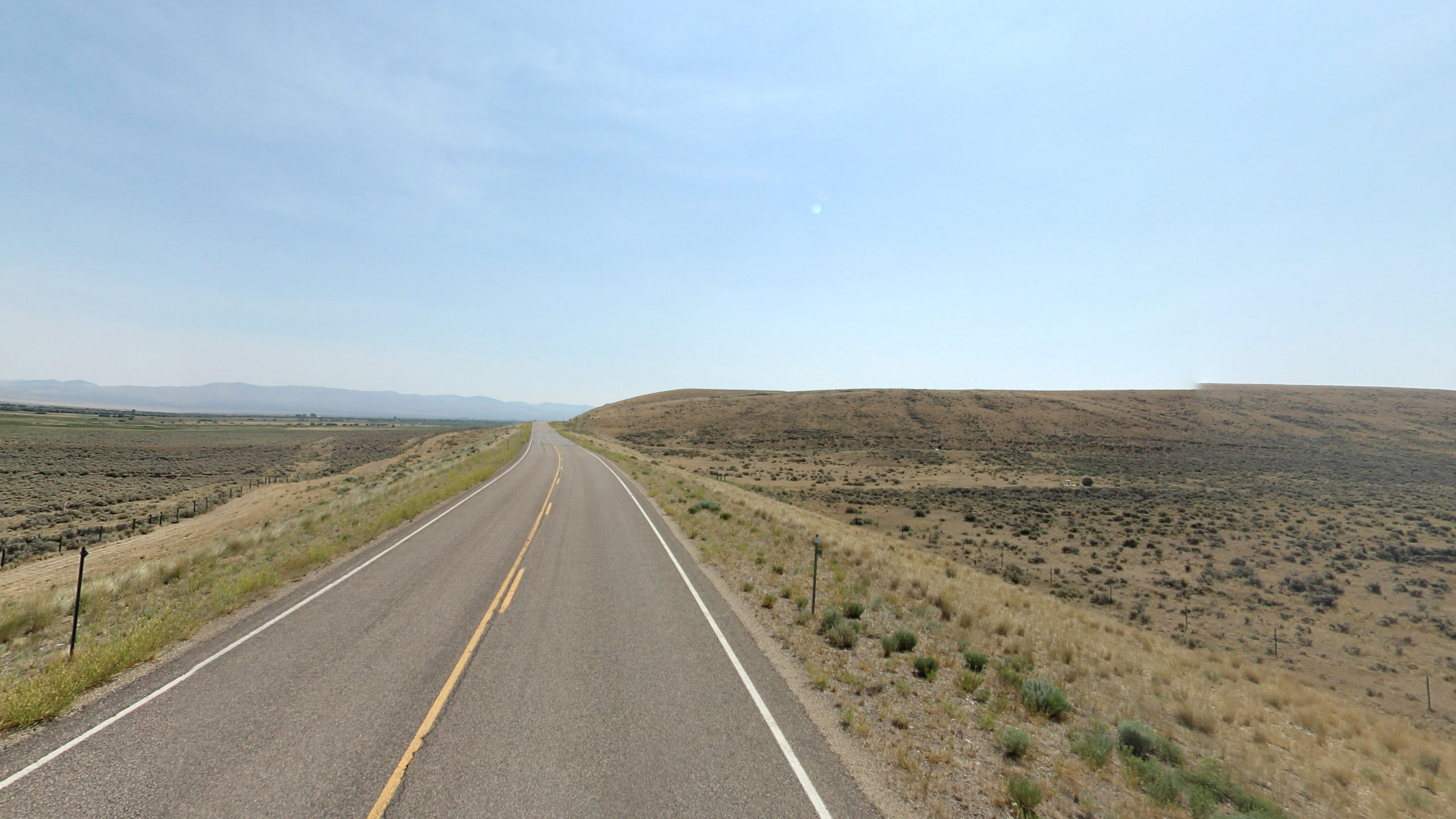
Clark: August 23, 1805
Clark's party set out early but struggled over sharp rocks and steep hillsides where horses could barely pass. With provisions exhausted except for one goose, they reached an impassable stretch where mountains met the river. Clark halted the main party to hunt and fish, then took his guide and three men twelve miles downstream to scout. He found a series of severe rapids deemed impossible for canoes and learned from his guide that conditions worsened further down. The guide showed him an alternate overland route and described a road north to a river inhabited by the Tushapass nation.
August 23rd Friday 1805 We Set out early proceed on with great dificuelty
as the rocks were So Sharp large and unsettled and the hill sides Steep
that the horses could with the greatest risque and dificulty get on, no
provisions as the 5 Sammons given us yesterday by the Indians were eaten
last night, one goose killed this morning; at 4 miles we came to a place
the horses Could not pass without going into the river, we passed one mile
to a verry bad riffle the water Confined in a narrow Channel & beeting
against the left Shore, as we have no parth further and the Mounts. jut So
close as to prevent the possibiley of horses proceeding down, I deturmined
to delay the party here and with my guide and three men proceed on down to
examine if the river continued bad or was practiable. I Set out with three
men directing those left to hunt and fish until my return. I proceeded on
Somtims in a Small wolf parth & at other times Climeing over the rocks
for 12 miles to a large Creek on the right Side above the mouth of this
Creek for a Short distance is a narrow bottom & the first, below the
place I left my partey, a road passes down this Creek which I understoode
passed to the water of a River which run to Th North & was the ground
of another nation, Some fresh Sign about this Creek of horse and Camps. I
delayd 2 hours to fish, Cought Some Small fish on which we dined.
The River from the place I left my party to this Creek is almost one
continued rapid, five verry Considerable rapids the passage of either with
Canoes is entirely impossable, as the water is Confined betwen hugh Rocks
& the Current beeting from one against another for Some distance below
&c. &c. at one of those rapids the mountains Close So Clost as to
prevent a possibility of a portage with great labour in Cutting down the
Side of the hill removeing large rocks &c. &c. all the others may
be passed by takeing every thing over Slipery rocks, and the Smaller ones
Passed by letting down the Canoes empty with Cords, as running them would
certainly be productive of the loss of Some Canoes, those dificuelties and
necessary precautions would delay us an emince time in which provisions
would be necessary. (we have but little and nothing to be precured in this
quarter except Choke Cheres & red haws not an animal of any kind to be
seen and only the track of a Bear) below this Creek the lofty Pine is
thick in the bottom hill Sides on the mountains & up the runs. The
river has much the resemblance of that above bends Shorter and no passing,
after a few miles between the river & the mountains & the Current
So Strong that is dangerous crossing the river, and to proceed down it
would rendr it necessarey to Cross almost at every bend This river is
about 100 yards wide and can be forded but in a few places. below my guide
and maney other Indians tell me that the Mountains Close and is a
perpendicular Clift on each Side, and Continues for a great distance and
that the water runs with great violence from one rock to the other on each
Side foaming & roreing thro rocks in every direction, So as to render
the passage of any thing impossible. those rapids which I had Seen he said
was Small & trifleing in comparrison to the rocks & rapids below,
at no great distance & The Hills or mountains were not like those I
had Seen but like the Side of a tree Streight upThose Mountains
which I had passed were Steep Contain a white, a brown, & low down a
Grey hard stone which would make fire, those Stone were of different Sises
all Sharp and are continuly Slipping down, and in maney places one bed of
those Stones inclined from the river bottom to the top of the mountains,
The Torrents of water which come down aftr a rain carries with it emence
numbers of those Stone into the river about 1/2 a mile below the last
mentioned Creek another Creek falls in, my guide informed me that our rout
was up this Creek by which rout we would Save a considerable bend of the
river to the South. we proceeded on a well beeten Indian parth up this
Creak about 6 miles and passed over a ridge 1 mile to the river in a Small
vally through which we passed and assended a Spur of the Mountain from
which place my guide Shew me the river for about 20 miles lower &
pointed out the dificulty we returned to the last Creek & camped about
one hour after dark.
There my guide Shewed me a road from the N Which Came into the one I was
in which he Said went to a large river which run to the north on which was
a Nation he called Tushapass, he made a map of it
Read this entry in modern English AI-translated
August 23rd, Friday 1805. We set out early and proceeded on with great difficulty, as the rocks were so sharp, large, and unsettled, and the hillsides so steep, that the horses could only get on with the greatest risk and difficulty. We had no provisions, as the 5 salmon given us yesterday by the Indians were eaten last night; one goose was killed this morning. At 4 miles we came to a place the horses could not pass without going into the river. We passed one mile to a very bad riffle, where the water was confined in a narrow channel and beating against the left shore. As we had no path further and the mountains jut so close as to prevent the possibility of horses proceeding down, I determined to delay the party here and, with my guide and three men, proceed on down to examine whether the river continued bad or was passable. I set out with three men, directing those left behind to hunt and fish until my return. I proceeded on, sometimes on a small wolf path and at other times climbing over the rocks, for 12 miles to a large creek on the right side. Above the mouth of this creek for a short distance is a narrow bottom, the first below the place where I left my party. A road passes down this creek, which I understood passed to the waters of a river that runs to the north and was the ground of another nation. There were some fresh signs of horses and camps about this creek. I delayed 2 hours to fish, and caught some small fish on which we dined.
The river from the place I left my party to this creek is almost one continued rapid, with five very considerable rapids, the passage of any of which with canoes is entirely impossible, as the water is confined between huge rocks and the current beats from one against another for some distance below, etc., etc. At one of those rapids the mountains close so close as to prevent the possibility of a portage without great labor in cutting down the side of the hill, removing large rocks, etc., etc. All the others may be passed by taking everything over slippery rocks, and the smaller ones passed by letting down the canoes empty with cords, as running them would certainly result in the loss of some canoes. Those difficulties and necessary precautions would delay us an immense time, during which provisions would be necessary. (We have but little, and nothing can be procured in this quarter except chokecherries and red haws; not an animal of any kind to be seen, and only the track of a bear.) Below this creek the lofty pine is thick in the bottoms, hillsides, on the mountains, and up the runs. The river has much the resemblance of that above: bends shorter, and no passing after a few miles between the river and the mountains, and the current so strong that it is dangerous crossing the river; and to proceed down it would render it necessary to cross at almost every bend. This river is about 100 yards wide and can be forded only in a few places. Below, my guide and many other Indians tell me that the mountains close and become a perpendicular cliff on each side, and continue for a great distance, and that the water runs with great violence from one rock to the other on each side, foaming and roaring through rocks in every direction, so as to render the passage of anything impossible. Those rapids which I had seen, he said, were small and trifling in comparison to the rocks and rapids below, at no great distance; and the hills or mountains were not like those I had seen, but like the side of a tree, straight up. Those mountains which I had passed were steep and contain a white, a brown, and lower down a gray hard stone which would make fire. Those stones were of different sizes, all sharp, and are continually slipping down; and in many places one bed of those stones inclined from the river bottom to the top of the mountains. The torrents of water which come down after a rain carry with them immense numbers of those stones into the river. About 1/2 a mile below the last mentioned creek, another creek falls in. My guide informed me that our route was up this creek, by which route we would save a considerable bend of the river to the south. We proceeded on a well-beaten Indian path up this creek about 6 miles and passed over a ridge 1 mile to the river in a small valley, through which we passed, and ascended a spur of the mountain, from which place my guide showed me the river for about 20 miles lower and pointed out the difficulty. We returned to the last creek and camped about one hour after dark.
There my guide showed me a road from the north which came into the one I was on, which he said went to a large river that runs to the north, on which was a nation he called Tushapass. He made a map of it.
This modernization is AI-generated for accessibility. The original above is the authoritative version.
Entities mentioned in this entry
Auto-extracted from the entry text. Hover any entity for context.