Clark: May 6, 1806
Tuesday May 6th 1806 This morning the Susband of the Sick woman was as
good as his word. he produced us a young horse in tolerable order which we
imedeately had killed and butchered. the inhabitents Seemed more
accommodating this morning. they Sold us Some bread. we received a Second
horse for Medecine & procription to a little girl with the rhumitism
whome I had bathed in worm water, and anointed her a little with balsom
Capivia. I dressed the woman again this morning who declared that She had
rested better last night than She had Since She had been sick. Sore Eyes
is an universal Complaint among all the nations which we have Seen on the
West Side of the rocky Mountains. I was busily imployed for several hours
this morning in administering eye water to a Croud of applicants. we once
more obtained a plentiful meal, much to the Comfort of all the party. Capt
Lewis exchanged horses with We ark koomt and gave him a small flag with
which he was much pleased and gratifyed. the Sorrel which Cap L. obtained
is a Strong active well broke horse-. At this place we met with three men
of a nation Called the Skeetsso-mish who reside at the falls of a Small
river dischargeing itself into the Columbia on its East Side to the South
of the enterance of Clarks river. this river they informed us headed in a
large lake in the mountains and that the falls below which they reside was
at no great distance from the lake. these people are the Same in their
dress and appearance with the Chopunnish, tho their language is entirely
different. one of them gave me his whip which was a twisted Stick 18 Ins.
in length at one end a pice of raw hide Split So as to form two Strings
about 20 inches in length as a lash, to the other end a String passed
through a hole and fastened at each end for a loope to Slip over the
wrist. I gave in return for this whip a fathom of narrow binding. The
River here Calld. Clarks river is that which we have heretofore Called
Flathead river. Capt. Lewis has thought proper to Call this after myself
for this Stream we know no Indhan name and no white man but our Selves was
ever on this river. The river which Fiddler call’s the great Lake river
may possiably be a branch of it, but if So it is but a very inconsiderable
branch, and may as probably empty itself into the Columbia above as into
Clarks river. the Stream which the party has heretofore Called Clarks
river imedeately above the great falls, has it’s three principal branches
in Mountains Jefferson, Hood and the Northern Side of the S. W. Mountains
and is of course a Short river. this river is Called by the Skillutes
& Eneshure Nations Towannahhiooks which is also the name they Call
those bands of Snake indians who Come on this river every Spring to Catch
the Salmon-. The Kooskooske river may be Safely navigated at present all
the rocks of the Sholes and rapids are perfectlly Covered; the Current is
Strong, the water Clear and Cold. this river is riseing fast-. The timber
of this river which consists principally of the long leafed pine which
commences about 2 miles below our present encampment on Colters Creek. it
was 2 P M. this evening before we could collect our horses. at 3 P M. we
Set out accompanied by the brother of the twisted hair and We-ark-koomt.
we derected the horse which I had obtained for the purpose of eateing to
be led as it was unbroke, in performing this duty a quarrel ensued between
Drewyer and Colter-. We Continued our march along the river on its North
Side 9 miles to a lodge of 6 families built of Sticks mats and dryed Hay.
of the Same form of those heretofore discribed. we passed a Lodge of 3
families at 4 ms. on the river, no provisions of any discription was to be
obtained of these people. a little after dark our young horse broke the
rope by which he was Confined and made his escape much to the chagrine of
all who recollected the keenness of their appetites last evening. the
brother of the twisted hair & wearkkoomt with 10 others encamped with
us this evening
The nativs have a Considerable Salmon fishery up Colters Creek. this
Stream extends itself to the Spurs of the Rocky Mountain and in much the
greater part of its Course passes through a well timbered pine Country. it
is 25 yds. wide and discharges a large body of water. the banks low and
bead formed of pebbles-. had a Small Shower of rain this evening. The
Chopunnish about the Mouth of the Kooskooske bury their dead on Stoney
hill Sides generally, and as I was informed by an Indian who made Signs
that they made a hole in the Grown by takeing away the Stones and earth
where they wished to deposit the dead body after which they laid the body
which was previously raped in a robe and Secured with Cords. over the body
they placed Stones So as to form a Sort of arch on the top of which they
put Stones and earth So as to Secure the body from the wolves and birds
&c. they Sometimes inclose the grave with a kind of Sepulcher like the
roof of a house formed of the canoes of the disceased. they also Sacrifice
the favorite horses of the disceased. the bones of many of which we See on
and about the graves.
Entities mentioned in this entry
Auto-extracted from the entry text. Hover any entity for context.
Terrain360 · the place today
Clearwater to Snake River in 360°
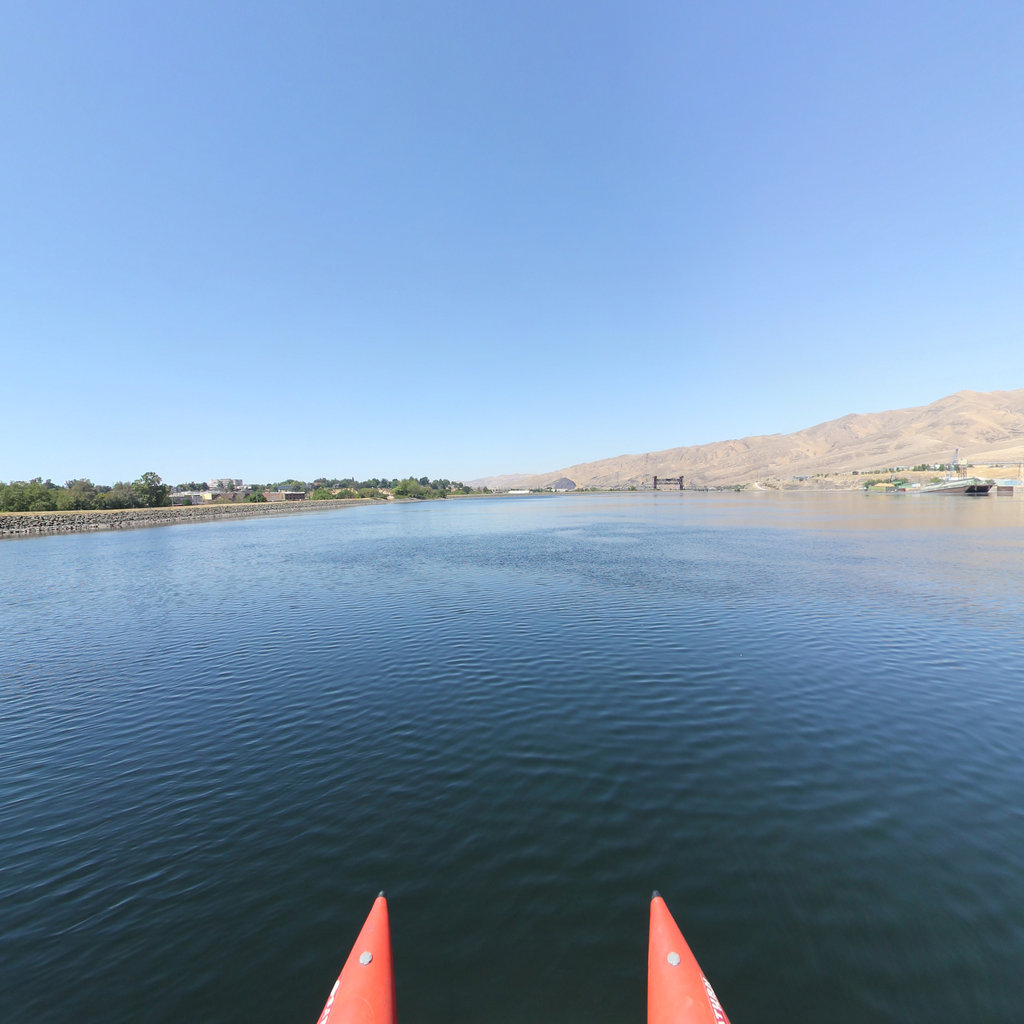
10 frames across 1.7 mi of the route around this location
Analyses
- A Horse for Medicine: Naming Clark’s River and the Currency of Healing
- Thomas Jefferson: The Distant Architect of the Voyage of Discovery
- John Colter: The Hunter Who Walked Away From Home
- The Flathead Salish: Allies in the Bitterroot
- The Shoshone Nation: Sacagawea’s People and the Horse Trade
- The Nez Perce (Chopunnish): Allies of the Bitterroot and Kooskooske
Artwork
Help improve this record
See something that needs correcting, or know a source we are missing? The archive gets better through its readers.


