
Flathead Salish
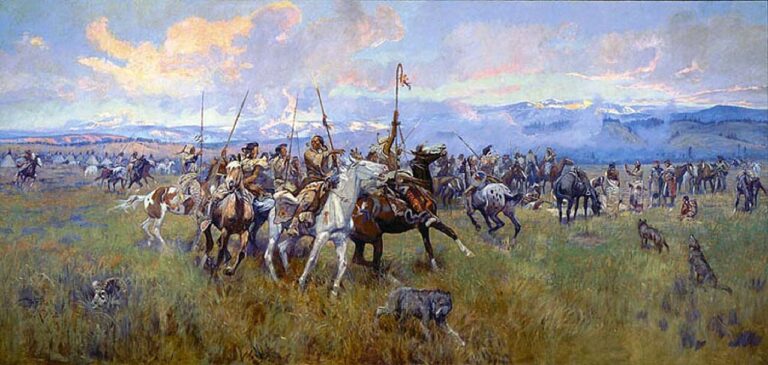
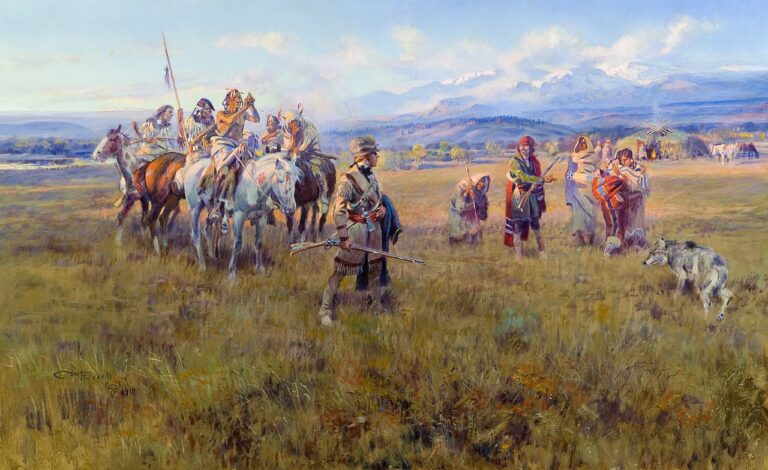
The Flathead Salish (Bitterroot Salish, or Selis) lived in the Bitterroot Valley of present-day western Montana and ranged eastward onto the Plains for seasonal bison hunts. The Corps of Discovery encountered them in September 1805 at a place they called "Ross's Hole" (near present-day Sula, Montana), finding approximately 400 Salish with a large horse herd; the expedition traded for fresh horses desperately needed for the Bitterroot crossing. Despite their English name "Flathead," the Salish did not practice cranial modification—the misnomer likely arose from sign-language confusion or from neighboring tribes' descriptions. The Salish were generous hosts who shared food and horses, and their encounter with Lewis and Clark was entirely peaceful.
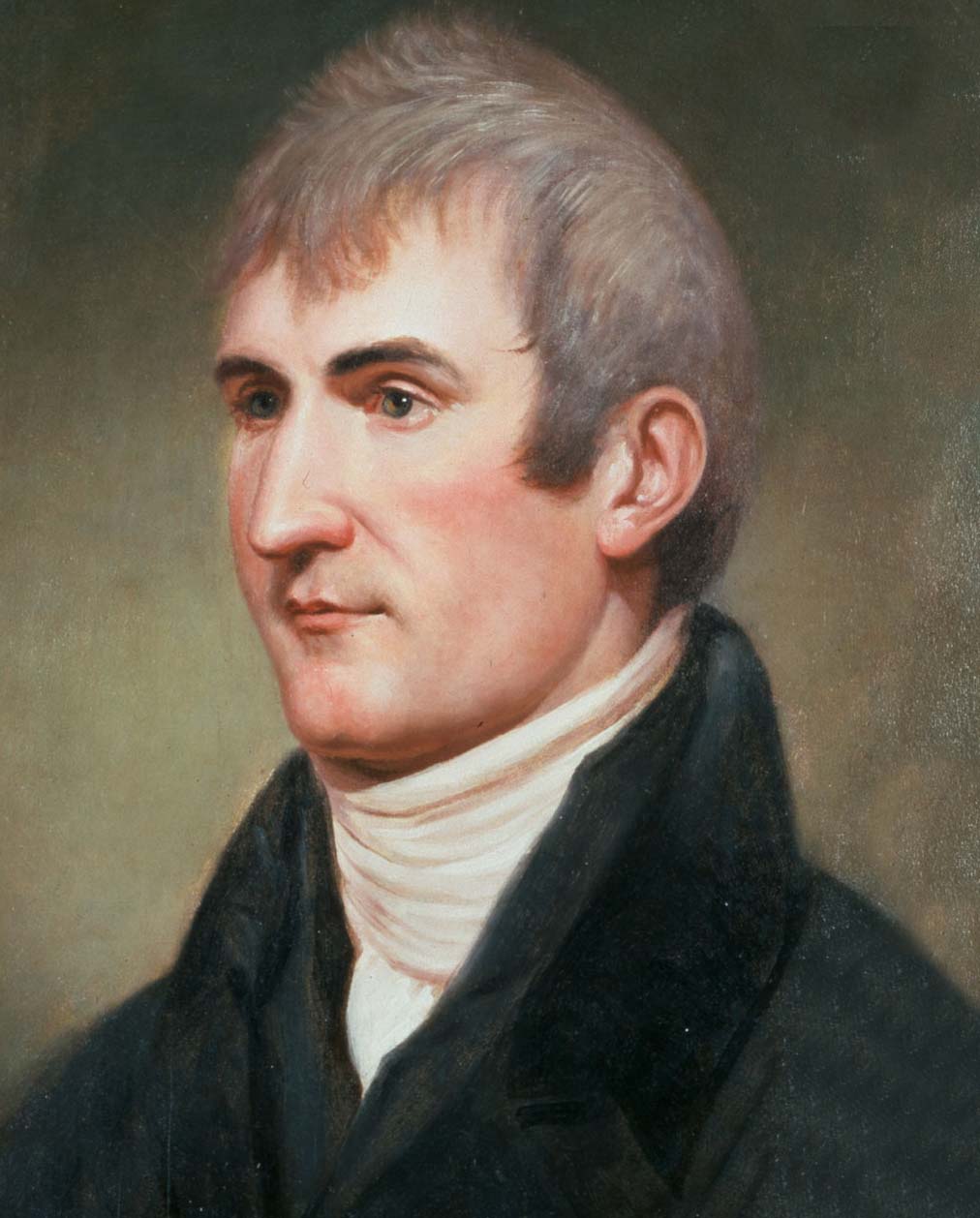
Portrait: Wikimedia Commons / Wikipedia: Bitterroot Salish
Most Mentioned in Flathead Salish-tagged Entries
People
- Capt. Lewis (12)
- Drouillard (9)
- Colter (5)
- Charbonneau (5)
- Nathaniel Pryor (5)
- Capt. Clark (5)
- Patrick Gass (5)
- Shannon (4)
- Joseph Field (4)
- Hohastillpilp (3)
Places
- Columbia River (17)
- Missouri River (13)
- Rocky Mountains (12)
- Snake River (11)
- Flathead river (8)
- Bitterroot River (8)
- Clarke's river (5)
- Clearwater River (3)
- Mount Hood (3)
- Great Falls of the Missouri (3)
Biography
The Flathead Salish (Séliš) of the Bitterroot Valley in western Montana were among the most generous peoples the expedition encountered. In September 1805, at a place called Ross’s Hole, they traded horses and shared geographic knowledge critical to the mountain crossing.
Despite their English name, the Salish did not practice head-flattening — the name was apparently applied by neighboring peoples. They were skilled horse people who ranged across the Northern Rockies, often in conflict with the Blackfeet.
The Salish oral tradition preserves their own account of the Lewis and Clark encounter, noting their wonder at the strangers’ appearance and possessions. The expedition members noted the Salish language’s unusual sounds, which they compared to speech impediments — in fact, the Salish language family has distinctive consonant clusters unfamiliar to English speakers.
The Flathead Reservation was established in western Montana in 1855. The Confederated Salish and Kootenai Tribes maintain a strong connection to the Lewis and Clark story through their oral traditions and ancestral lands along the expedition route.
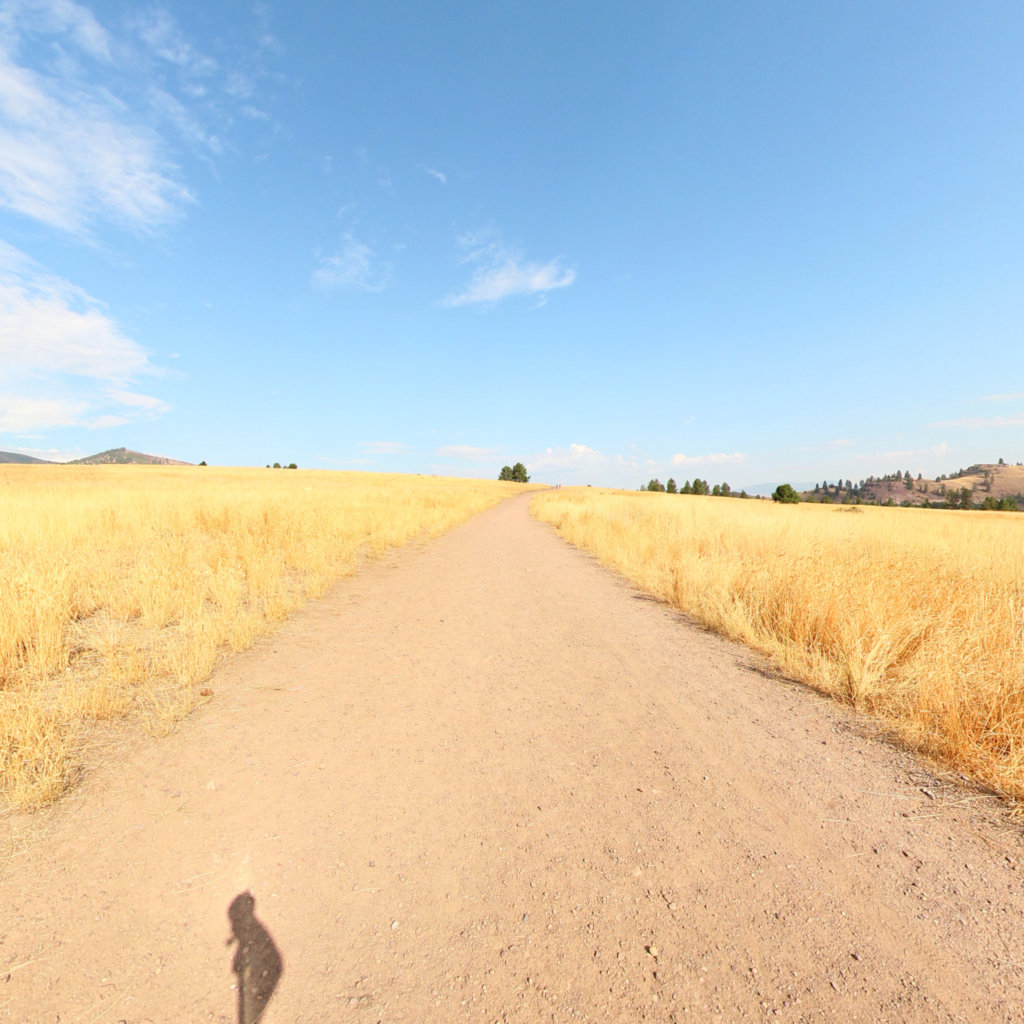
Territory & Encounter Locations
Note: the longest gap between tagged appearances is about 4 months (Dec 27, 1805 → Apr 18, 1806). No journal entries during that window were explicitly tagged with this nation.
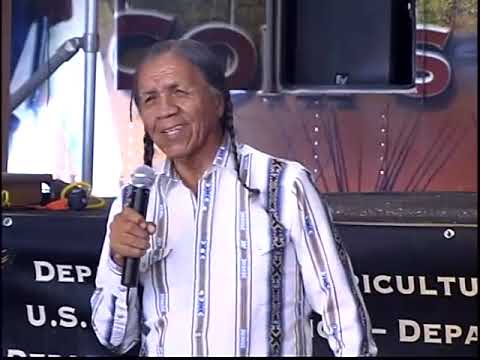
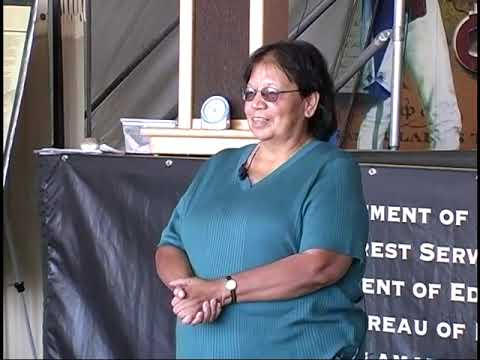
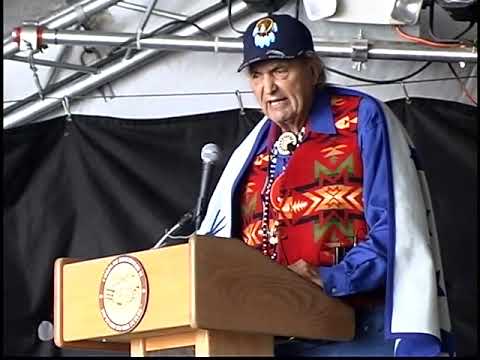
Tent of Many Voices (7)
 28:37
28:37
 43:41
43:41
 47:26
47:26
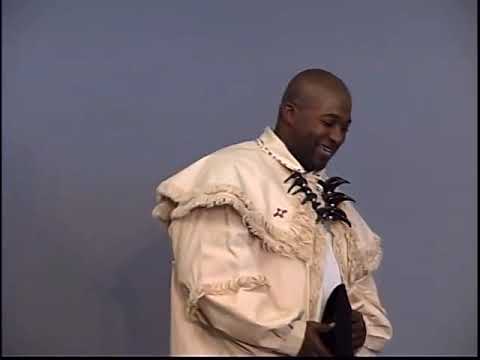 49:59
49:59
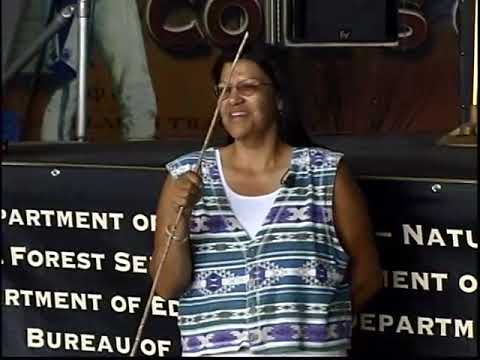 46:10
46:10
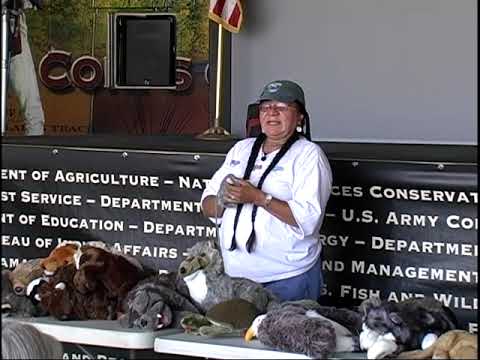 35:11
35:11
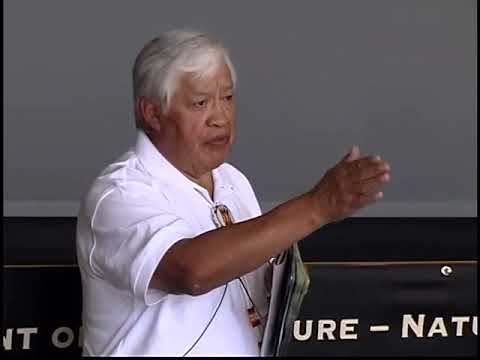 42:03
42:03
Journal Entries (46)


Cross-Narrator Analyses
Analyses that cite or discuss Flathead Salish — showing 6 of the most recent matches.
The Flathead Salish: Allies in the Bitterroot
First Encounter at Ross's HoleThe Flathead Salish — called "Tushepaws," "Flatheads," or "Ootlashshoots" in the journals — first entered the expedition's record…
Six Languages and a Gugling Tongue: Encountering the Flathead Salish at Ross’s Hole
The expedition's encounter with the Flathead Salish at Ross's Hole on September 5, 1805 is one of the more richly documented diplomatic…
Down the Bitterroot: Four Pens, One Rainy Descent
The entries of September 7, 1805, find the Corps of Discovery descending from the punishing crossing of Lost Trail Pass into what…
Four Pens, One Valley: Descending from Ross’s Hole
The entries for September 8, 1805, capture the Corps of Discovery descending from their Ross's Hole encampment into the Bitterroot Valley after…
Parting at Ross’s Hole: Three Accounts of Departure from the Salish
September 6, 1805 marked a pivotal logistical transition for the Corps of Discovery. Having traded for forty pack horses and three colts…
Old Toby: The Shoshone Guide Through the Bitterroots
A Note on the Source RecordThe two journal entries provided for this synthesis (dated September 4 and September 16, 1805) do not…
Your Nation, your story
Are you a representative or member of this Nation? Help us tell this story accurately: review how your Nation is represented, correct the record, or contribute materials and perspective.


