Clark: October 27, 1805
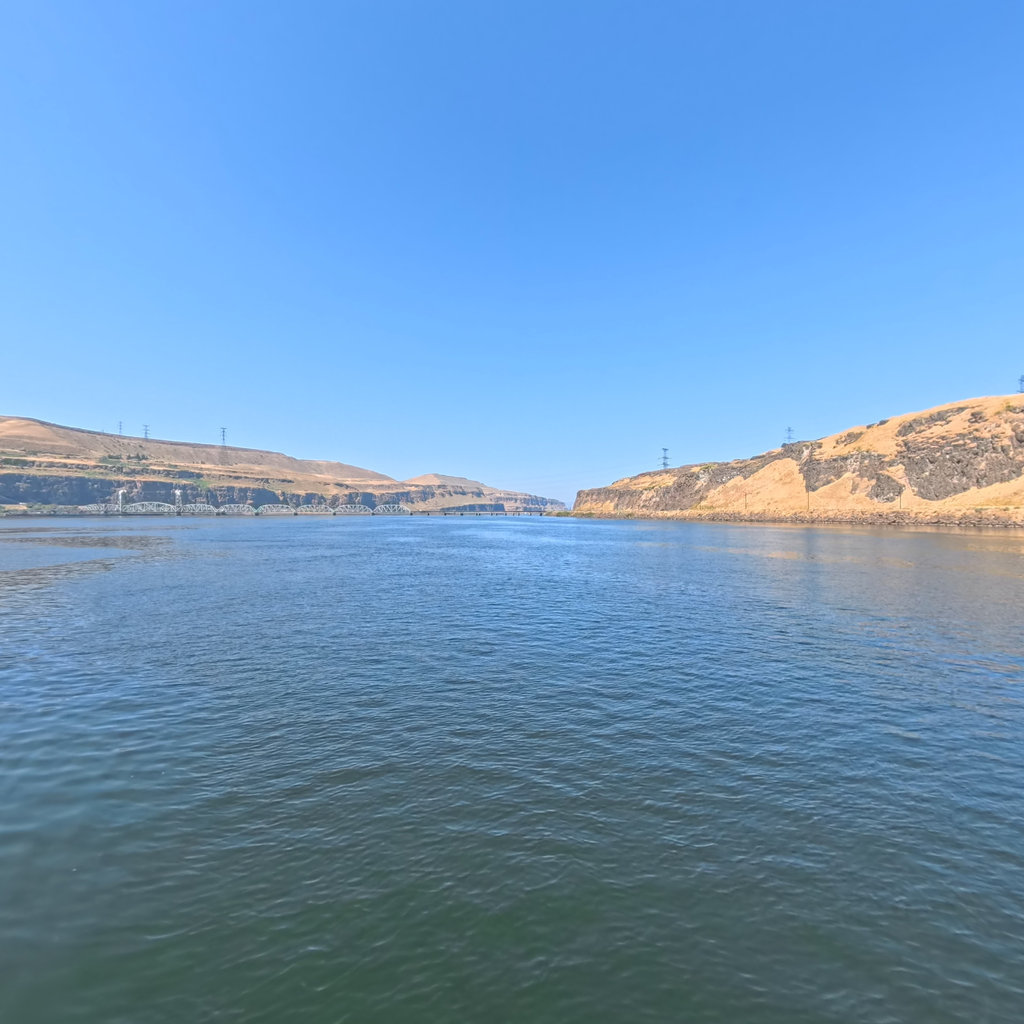
On a windy, cold Sunday near the Columbia River narrows, hunters brought in four deer, a grouse, and a squirrel. Two visiting chiefs and their party stayed with the expedition, joined briefly by seven others from downriver who left in a huff after being denied access to drying goods. Clark recorded vocabularies of two neighboring but distinct languages: the E-nee-shur at the falls and the E-chee-lute at the narrows, noting widespread head-flattening customs. The chiefs were ferried home across the high winds. Clark also had words with interpreter Charbonneau about his duties.
October 27th Sunday 1805 a verry windy night and morning wind from the
West and hard, Send out hunters and they killed 4 deer 1 pheasent and a
Squirel the 2 Chiefs and party Continue with us, we treat them well give
them to eate & Smoke, they were joined by Seven others, from below who
Stayed about 3 hours and returned down the river in a pet, Soon after the
Chiefs deturmined to go home we had them put across the river the wind
verry high, we took a vocabelary of the Languages of the 2 nations, the
one liveing at the Falls call themselves E-nee-shur The other resideing at
the levels or narrows in a village on the Std. Side call themselves
E-chee-lute not withstanding those people live only 6 miles apart, but
fiew words of each others languagethe language of those above
having great Similarity with those tribes of flat heads we have passedall
have the Clucking tone anexed which is predomint. above, all flatten the
heads of their female children near the falls, and maney above follow the
Same Custom The language of the Che-luc-it-to-quar a fiew miles below is
different from both in a Small degree. The wind increased in the evening
and blew verry hard from the Same point W. day fair and ColdThe
Creek at which we are Encamped is Called by the natives-Que-nett Some
words with Shabono about his dutyThe pinical of Falls mountain
bears S 43° W. about 35 miles
—
October 27th Sunday 1805 Wind hard from the west all the last night and
this morning. Some words with Shabono our interpreter about his duty. Sent
out Several hunters who brought in four Deer, one Grouse & a Squirel.
The two Chiefs & party was joined by Seven others from below in two
canoes, we gave them to eate & Smoke Several of those from below
returned down the river in a bad humer, haveing got into this pet by being
prevented doeing as they wished with our articles which was then exposed
to drywe took a Vocabelary of the Languages of those two chiefs
which are verry different notwithstanding they are Situated within Six
miles of each other, Those at the great falls Call themselves E-nee-shur
and are understood on the river above. Those at the Great Narrows Call
themselves Eche-lute and is understood below, maney words of those people
are the Same, and Common to all the flat head Bands which we have passed
on the river, all have the clucking tone anexed which is prodomonate
above. all the Bands flatten the heads of the female Children, and maney
of the male children also. Those two Chief leave us this evening and
returned to their bands, the wind verry high & from the West, day
proved fair and Cool.
The nativs Call this Creek near which we are encamped-Que-nett.
Read this entry in modern English AI-translated
October 27th Sunday 1805. A very windy night and morning, wind from the West and hard. Sent out hunters and they killed 4 deer, 1 pheasant and a squirrel. The 2 Chiefs and party continue with us; we treat them well, give them to eat and smoke. They were joined by seven others from below, who stayed about 3 hours and returned down the river in a pet. Soon after, the Chiefs determined to go home; we had them put across the river, the wind very high. We took a vocabulary of the languages of the 2 nations. The one living at the Falls call themselves E-nee-shur; the other residing at the levels or narrows in a village on the starboard side call themselves E-chee-lute. Notwithstanding those people live only 6 miles apart, they have but few words of each other's language. The language of those above has great similarity with those tribes of Flatheads we have passed. All have the clucking tone annexed, which is predominant above. All flatten the heads of their female children near the falls, and many above follow the same custom. The language of the Che-luc-it-to-quar, a few miles below, is different from both in a small degree. The wind increased in the evening and blew very hard from the same point, W. Day fair and cold. The creek at which we are camped is called by the natives Que-nett. Had some words with Shabono about his duty. The pinnacle of Falls Mountain bears S 43° W, about 35 miles.
October 27th Sunday 1805. Wind hard from the west all last night and this morning. Had some words with Shabono our interpreter about his duty. Sent out several hunters, who brought in four deer, one grouse and a squirrel. The two Chiefs and party were joined by seven others from below in two canoes; we gave them to eat and smoke. Several of those from below returned down the river in a bad humor, having gotten into this pet by being prevented from doing as they wished with our articles, which were then exposed to dry. We took a vocabulary of the languages of those two chiefs, which are very different, notwithstanding they are situated within six miles of each other. Those at the Great Falls call themselves E-nee-shur and are understood on the river above. Those at the Great Narrows call themselves Eche-lute and are understood below. Many words of those people are the same, and common to all the Flathead bands which we have passed on the river. All have the clucking tone annexed, which is predominant above. All the bands flatten the heads of the female children, and many of the male children also. Those two chiefs leave us this evening and returned to their bands. The wind very high and from the West; day proved fair and cool.
The natives call this creek near which we are camped Que-nett.
This modernization is AI-generated for accessibility. The original above is the authoritative version.
Entities mentioned in this entry
Auto-extracted from the entry text. Hover any entity for context.