Clark: May 13, 1806
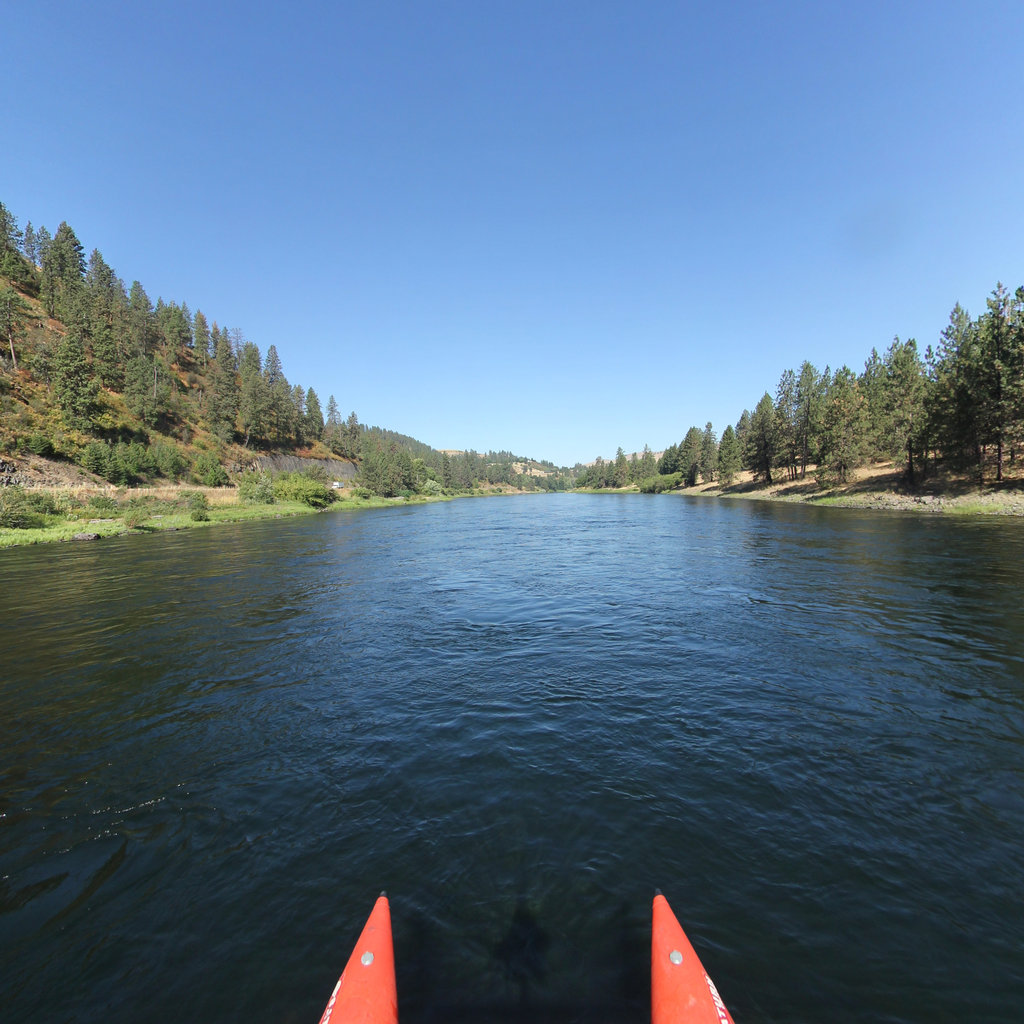
On a fine morning, Clark treated the sick before the party gathered their horses and departed at 1 P.M., traveling three miles down the creek to the Flathead River, where they expected to meet a promised canoe. An Indian had been sent earlier to the forks to retrieve it, but it did not arrive until after sunset, so the group unloaded, grazed their horses, and camped for the night. Several Indians accompanied them, and the men tested the speed of their horses. Clark also recorded extensive observations on Chopunnish (Nez Perce) appearance, customs, dress, and ornaments.
Tuesday 13th May 1806. a fine morning I administered to the Sick and gave
directions. we collected all our horses and Set out at 1 P.M. and
proceeded down the Creek to the Flat head River a Short distance below the
enterance of the Creek at the distance of 3 miles from the Village. at
this place we expected to have met the Canoe which was promised to be
furnished us, and for which an indian Set out very early this morning. we
halted at the Flat Head River unloaded our horses and turnd. them out to
feed. Several Indians accompanied us to the river and Continued untill
evening. The man who Set out early this morning to the forks of this river
for a Canoe and was to meet us at this place. as the Canoe did not arive
untill after Sun set we remained all night; in the evening we tried the
Speed of Several of our horses. these horses are strong active and well
formed. Those people have emence numbers of them 50 or 60 or a Hundred
head is not unusial for an individual to possess.
The Chopunnish are in general Stout well formd active men. they have high
noses and maney of them on the acqueline order with chearfull and
agreeable countinances; their complexions are not remarkable. in common
with other Indian Nations of America they extract their beard, but the men
do not uniformly extract the hair below, this is more particularly
confined to the females. they appear to be cheerfull but not gay; they are
fond of gambling and of their amusements which consists principally in
shooting their arrows at a targit made of Willow bark, and in rideing and
exersiseing themselves on horsback, raceing &c. they are expirt marks
men & good riders. they do not appear to be So much devoted to baubles
as most of the nations we have met with, but Seen anxious always to riceve
articles of utility, Such as knives, axes, Kittles, blankets &
Mockerson awls. blue beeds however may form an exception to this remark;
This article among all the nations of this Country may be justly compared
to gold and Silver among civilized nations. They are generally well
clothed in their Stile. their dress Consists of a long shirt which reaches
to the middle of leg, long legins which reach as high as the waist,
mockersons & robe. those are formed of various skins and are in all
respects like those of the Shoshone. Their orniments consists of beeds,
Shells and peices of brass variously attached to their dress, to their
ears arround theire necks wrists arms &c. a band of Some kind usially
Serounds the head, this is most frequently the Skin of Some fer animal as
the fox otter &c.; I observed a tippet worn by Hohastillpilp, which
was formed of Humane Scalps and ornemented with the thumbs and fingers of
Several men which he had Slain in battle. they also were a coller or
breast plate of otter Skin orniminted with Shells beeds & quills. the
women brade their hair in two tresses which hang in the same position of
those of the men, which ar Cewed and hang over each sholder. &c
Read this entry in modern English AI-translated
Tuesday, May 13th, 1806. A fine morning. I tended to the sick and gave directions. We collected all our horses and set out at 1 P.M., proceeding down the creek to the Flat Head River a short distance below the entrance of the creek, at a distance of 3 miles from the village. At this place we expected to meet the canoe which had been promised to us, and for which an Indian had set out very early this morning. We halted at the Flat Head River, unloaded our horses, and turned them out to feed. Several Indians accompanied us to the river and stayed until evening. The man who had set out early this morning to the forks of this river for a canoe was to meet us at this place. As the canoe did not arrive until after sunset, we remained there all night. In the evening we tested the speed of several of our horses. These horses are strong, active, and well-formed. These people have immense numbers of them — 50, 60, or even a hundred head is not unusual for one person to possess.
The Chopunnish (Nez Perce) are in general stout, well-formed, active men. They have high noses, and many of them of the aquiline order, with cheerful and agreeable countenances; their complexions are not remarkable. In common with other Indian nations of America, they remove their beards, but the men do not uniformly remove the hair below — this practice is more particularly confined to the females. They appear to be cheerful but not boisterous. They are fond of gambling and of their amusements, which consist principally in shooting their arrows at a target made of willow bark, and in riding and exercising themselves on horseback, racing, etc. They are expert marksmen and good riders. They do not appear to be as devoted to trinkets as most of the nations we have met with, but seem always eager to receive articles of practical use, such as knives, axes, kettles, blankets, and moccasin awls. Blue beads, however, may form an exception to this remark — this article, among all the nations of this country, may be justly compared to gold and silver among civilized nations.
They are generally well clothed in their style. Their dress consists of a long shirt reaching to the middle of the leg, long leggings reaching as high as the waist, moccasins, and a robe. These are made from various skins and are in all respects like those of the Shoshone. Their ornaments consist of beads, shells, and pieces of brass variously attached to their clothing, to their ears, around their necks, wrists, arms, etc. A band of some kind usually surrounds the head; this is most frequently the skin of some fur animal such as the fox, otter, etc. I observed a tippet worn by Hohastillpilp (Hohastillpilp), which was made of human scalps and decorated with the thumbs and fingers of several men whom he had slain in battle. They also wore a collar or breastplate of otter skin decorated with shells, beads, and quills. The women braid their hair in two tresses which hang in the same position as those of the men, which are queued and hang over each shoulder.
This modernization is AI-generated for accessibility. The original above is the authoritative version.
Entities mentioned in this entry
Auto-extracted from the entry text. Hover any entity for context.