Journal Entry

Lewis: September 9, 1805

September 9, 1805
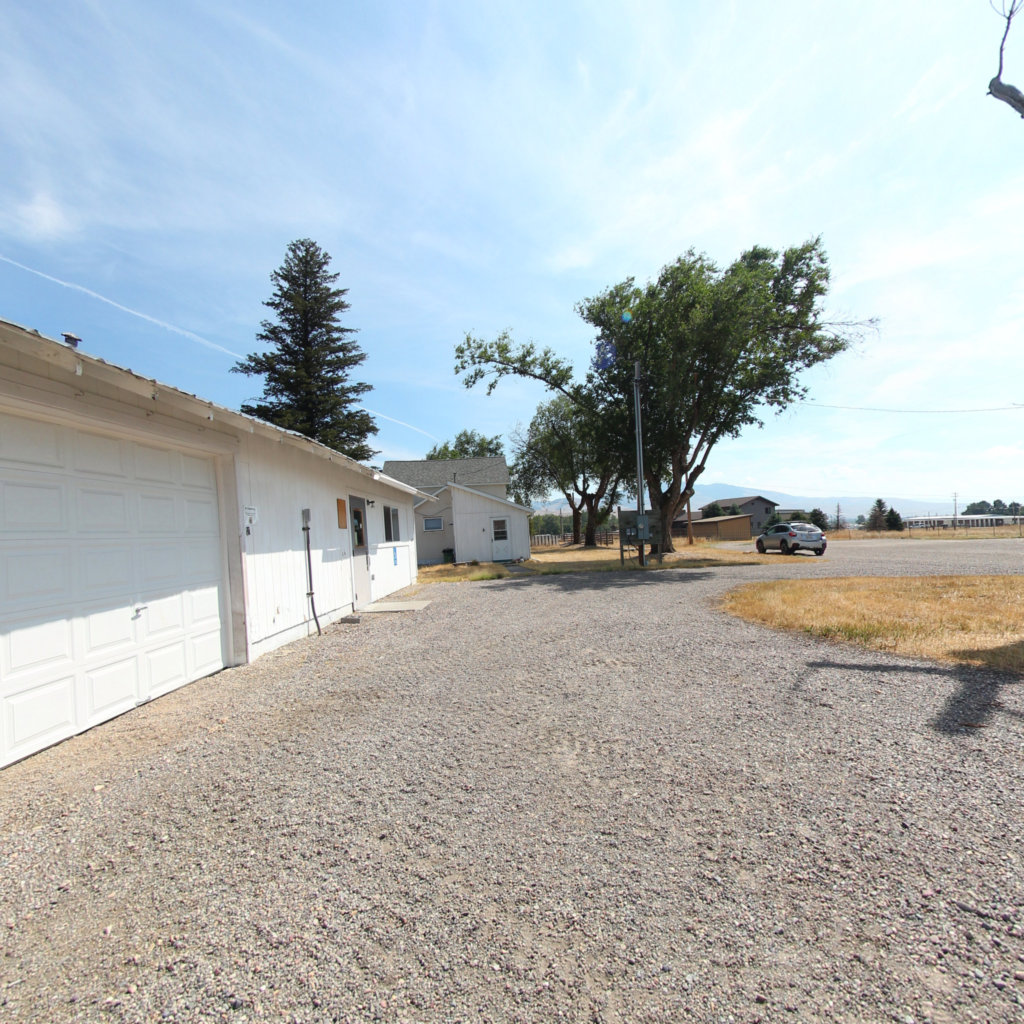
Travelers' Rest near present-day Lolo, MT
AI Summary

The expedition set out at 7 A.M. and traveled down the Flathead River valley, a prairie five to six miles wide dominated by long-leafed pine. They breakfasted on geese and reserved meat, and hunters brought in two deer and a red-headed woodpecker—the first Lewis had seen since Illinois. After crossing the 100-yard-wide river, the guide described an Indian pass leading to the Missouri in about four days. They camped 19 miles along on a creek named Travellers Rest, where Lewis decided to halt the next day to rest horses and take celestial observations.

Monday September 9th 1805. Set out at 7 A M. this morning and proceeded
down the Flathead river leaving it on our left, the country in the valley
of this river is generally a prarie and from five to 6 miles wide the
growth is almost altogether pine principally of the longleafed kind, with
some spruce and a kind of furr resembleing the scotch furr. near the
wartercourses we find a small proportion of the narrow leafed cottonwood
some redwood honeysuckle and rosebushes form the scant proportion of
underbrush to be seen. at 12 we halted on a small branch which falls in to
the river on the E. side, where we breakfasted on a scant proportion of
meat which we had reserved from the hunt of yesterday added to three geese
which one of our hunters killed this morning. two of our hunters have
arrived, one of them brought with him a redheaded woodpecker of the large
kind common to the U States. this is the first of the kind I have seen
since I left the Illinois. just as we were seting out Drewyer arrived with
two deer. we continued our rout down the valley about 4 miles and crossed
the river; it is hear a handsome stream about 100 yards wide and affords a
considerable quantity of very clear water, the banks are low and it’s bed
entirely gravel. the stream appears navigable, but from the circumstance
of their being no sammon in it I believe that there must be a considerable
fall in it below. our guide could not inform us where this river
discharged itself into the columbia river, he informed us that it
continues it’s course along the mountains to the N. as far as he knew it
and that not very distant from where we then were it formed a junction
with a stream nearly as large as itself which took it’s rise in the
mountains near the Missouri to the East of us and passed through an
extensive valley generally open prarie which forms an excellent pass to
the Missouri. the point of the Missouri where this Indian pass intersects
it, is about 30 miles above the gates of the rocky mountain, or the place
where the valley of the Missouri first widens into an extensive plain
after entering the rockey mountains. the guide informed us that a man
might pass to the missouri from hence by that rout in four days. we
continued our rout down the W. side of the river about 5 miles further and
encamped on a large creek which falls in on the West as our guide informes
that we should leave the river at this place and the weather appearing
settled and fair I determined to halt the next day rest our horses and
take some scelestial Observations. we called this Creek Travellers rest.
it is about 20 yards wide a fine bould clear runing stream the land
through which we passed is but indifferent a could white gravley soil. we
estimate our journey of this day at 19 M.

Read this entry in modern English AI-translated

Monday September 9th 1805. We set out at 7 A.M. this morning and proceeded down the Flathead river, leaving it on our left. The country in the valley of this river is generally prairie and from five to six miles wide. The growth is almost altogether pine, principally of the long-leafed kind, with some spruce and a kind of fir resembling the Scotch fir. Near the watercourses we find a small proportion of the narrow-leafed cottonwood. Some redwood, honeysuckle, and rosebushes form the scant proportion of underbrush to be seen.

At 12 we halted on a small branch which falls into the river on the east side, where we breakfasted on a scant portion of meat which we had reserved from the hunt of yesterday, added to three geese which one of our hunters killed this morning. Two of our hunters have arrived; one of them brought with him a red-headed woodpecker of the large kind common to the U.S. This is the first of the kind I have seen since I left the Illinois. Just as we were setting out, Drewyer arrived with two deer.

We continued our route down the valley about 4 miles and crossed the river. It is here a handsome stream about 100 yards wide and affords a considerable quantity of very clear water. The banks are low and its bed is entirely gravel. The stream appears navigable, but from the circumstance of there being no salmon in it, I believe that there must be a considerable fall in it below. Our guide could not inform us where this river discharges itself into the Columbia river. He informed us that it continues its course along the mountains to the north as far as he knew it, and that not very distant from where we then were it formed a junction with a stream nearly as large as itself, which took its rise in the mountains near the Missouri to the east of us and passed through an extensive valley, generally open prairie, which forms an excellent pass to the Missouri. The point of the Missouri where this Indian pass intersects it is about 30 miles above the gates of the Rocky Mountains, or the place where the valley of the Missouri first widens into an extensive plain after entering the Rocky Mountains. The guide informed us that a man might pass to the Missouri from here by that route in four days.

We continued our route down the west side of the river about 5 miles further and camped on a large creek which falls in on the west. As our guide informs us that we should leave the river at this place, and the weather appearing settled and fair, I determined to halt the next day, rest our horses, and take some celestial observations. We called this creek Travellers Rest. It is about 20 yards wide, a fine, bold, clear running stream. The land through which we passed is but indifferent, a cold white gravelly soil. We estimate our journey of this day at 19 miles.

This modernization is AI-generated for accessibility. The original above is the authoritative version.

Our Partners