Clark: October 29, 1805
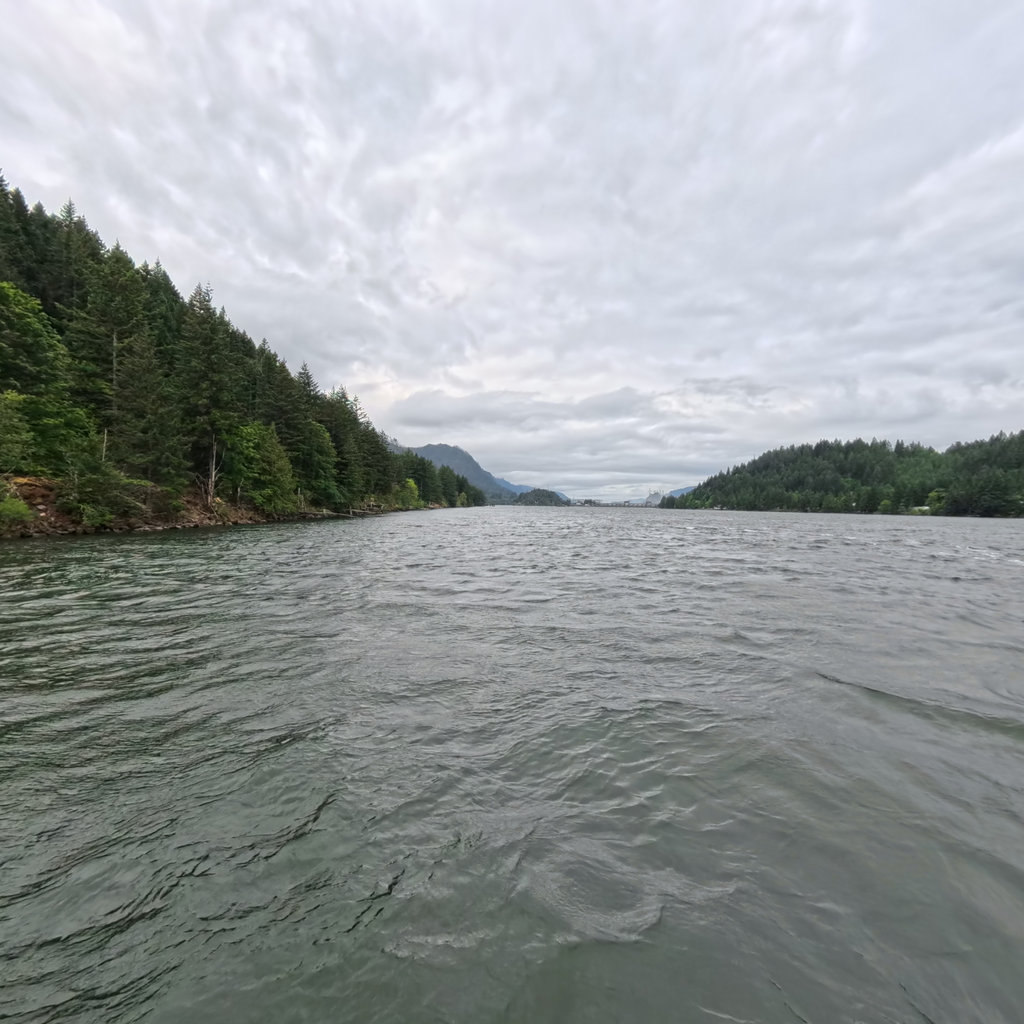
On a cloudy, breezy Tuesday, the expedition set out at daybreak and traveled down the Columbia River, stopping at several Native villages they found welcoming, dubbing one the 'Friendly Village.' Clark observed a chief's collection of enemy fingers taken in war with the Snake Indians, along with European trade goods. The party purchased 19 dogs and sacks of pounded fish, smoked with locals, and shared violin music. They named landmarks including Sepulchar Island, Cataract River, Labeasche River, and Canoe Creek, noting falls, snowy peaks, and increasingly timbered, rocky country before camping near three houses by a swan-filled pond.
October 29th Tuesday 1805 a Cloudy morning wind Still from th West not
hard, we Set out at day light proceeded on about 5 miles and Came too at a
Lodge of a Chief which we made at the upper village at th falls about his
house there is Six others This chief gave us to eate Sackacommis burries
Hasel nuts fish Pounded, and a kind of Bread made of rootswe gave
to the Women pices of ribon, which they appeared pleased withthose
houses are large 25 feet Sqr and contain abt. 8 men, Say 30 inhabitents-
Those people are friendly gave us to eate fish Beries, nuts bread of roots
& Drid beries and we Call this the friendly Village We purchased 12
dogs of them & 4 Sacks of Pounded fish, and Some fiew Dried Berries
and proceeded on at 4 miles further we landed to Smoke a pipe with the
people of a village of 11 houses we found those people also friendly Their
Village is Situated imediately below the mouth of a River of 60 yards
water which falls in on the Stard. Side and heads in the mountains to the
N. & N, E, the Indians inform us that this river is long and full of
falls no Salmon pass up it. They also inform that 10 nations lives on this
river by hunting and on buries &c. The Countrey begin to be thinly
timbered with Pine & low white oake verry rocky and hilleyWe
purchased at this vilg 4 dogsat the end of this Course is 3 rocks,
in the river and a rock point from the Lard. the middle rock is large and
has a number of graves on it we call it the Sepulchar Island. The last
River we call Caterack River from the number of falls which the Indians
inform is on it The Indians are afraid to hunt or be on th Lard Side of
this Columbia river for fear of the Snake Ind. who reside on a fork of
this river which falls in above the falls a good Situation for winter
quarters if game can be had is just below Sepulchar rock on the Lard Side,
high & pine and oake timber the rocks ruged above, good hunting
Countrey back, as it appears from the river Indian village opsd. Of 2
Lodgs river 1/2 mile wide at rocks
The robes of those Indians are, of wolf deer Elk, wild cats, Some fox,
& Deer I saw one of the mountain Sheep, th wool thick and long Corse
hair on the back, resembling bristlesthose animals live among the
rocks in those mountains below, orter is much valued by those people they
Cew their hair on each Side with it and ware it about the necks with the
tail in front
Came too at 3 miles on this Course at 3 Houses of flatheads and Encamped
on the Stard. Side, a Pond lies back of those people in which we Saw great
numbers of the Small Swan. we Purchased of those people 3 Dogs they gave
us High bush cramburies, bread of roots and roots, they were pleased with
musick of th violin.
—
October 29th Tuesday 1805 A cloudy morning wind from the West but not
hard, we Set out at day light, and proceeded on about five miles Came too
on the Stard. Side at a village of 7 houses built in the Same form and
materials of those above, here we found the Chief we had Seen at the long
narrows named ____
we entered his lodge and he gave us to eate Pounded fish, bread made of
roots, Filberts nuts, & the berries of Sackecomme. we gave to each
woman of the lodge a brace of Ribon of which they were much pleased. each
of those houses may be calculated to contain 8 men and 30 Soles, they are
hospitable and good humered Speak the Same language of the inhabitants of
the last village, we call this the friendly village. I observed in the
lodge of the Chief Sundery articles which must have been precured from the
white people, Such a Scarlet & blue Cloth Sword Jacket & hat. I
also observed two wide Split boards with images on them Cut and painted in
emitation of a man; I pointed to this image and asked a man to what use he
put them to, he Said Something the only word I understood was “good,” and
then Steped to the image and took out his Bow & quiver to Show me, and
Some other of his war emplemints, from behind it.
The Chief then directed his wife to hand him his medison bag which he
opened and Showed us 14 fingers which he Said was the fingers of his
enemies which he had taken in war, and pointed to S. E. from which
direction I concluded they were Snake Indians; this is the first Instance
I ever knew of the Indians takeing any other trofea of their exploits off
the dead bodies of their Enimies except the Scalp.The Chief painted
those fingers with Several other articles which was in his bag red and
Securely put them back, haveing first mad a Short harrang which I Suppose
was bragging of what he had done in war. we purchased 12 Dogs and 4 Sacks
of fish, & Some fiew ascid berries, after brackfast we proceeded on,
the mountains are high on each Side, containing Scattering pine white oake
& under groth, hill Sides Steep and rockey; at 4 miles lower we
observed a Small river falling in with great rapidity on the Stard. Side
below which is a village of 11 houses, here we landed to Smoke a pipe with
the nativs and examine the mouth of the river, which I found to be 60
yards wide rapid and deep, The inhabitants of the village are friendly and
Chearfull; those people inform us also those at the last village that this
little river is long and full of falls, no Salmon pass up it, it runs from
N. N. E. that ten nations live on this river and its waters, on buries,
and what game they Can kill with their Bow & arrows
we purchased 4 dogs and Set out(this village is the of the Same
nation of the one we last passed) and proceeded on The Countrey on each
side begin to be thicker timbered with Pine and low white Oake; verry
rockey and broken. passed three large rocks in The river the middle rock
is large long and has Several Squar vaults on it. we call this rockey
Island the SepulcharThe last river we passed we Shall Call the
Cataract River from the number of falls which the Indians say is on it-
passed 2 Lodges of Indians a Short distance below the Sepulchar Island on
the Stard. Side river wide, at 4 mile passed 2 houses on the Stard. Side,
Six miles lower passed 4 houses above the mouth of a Small river 40 yards
wide on the Lard. Side a thick timbered bottom above & back of those
houses; those are the first houses which we have Seen on the South Side of
the Columbia River, (and the axess to those dificuelt) for fear of the
approach of their common enemies the Snake Indians, passed 14 houses on
the Std. Side Scattered on the bankfrom the mouth of this little
river which we shall Call Labeasche River, the falls mountain is South and
the top is covered with Snow. one mile below pass the mouth of a large
rapid Stream on the Stard. Side, opposit to a large Sand bar, in this
creek the Indians above take their fish, here we Saw Several canoes, which
induced us to call this Canoe Creek it is 28 yards wide, about 4 miles
lower and below the Sand bar is a butifull cascade falling over a rock of
about 100 feet, a Short distance lower passed 4 Indian houses on the Lard.
Side in a timbered bottom, a fiew miles further we came too at 3 houses on
Stard. Side, back of which is a pond in which I Saw Great numbers of Small
Swan, Capt. Lewis and I went into the houses of those people who appeared
Somewhat Surprised at first Their houses are built on the Same
Construction of those above, Speak the Same language and Dress in the Same
way, robes of the Skins of wolves Deer, Elk, wild cat, or Loucirvia &
fox, also Saw a mountain Sheap Skin the wool of which is long, thick,
& corse with long corse hare on the top of the neck and back Something
resembling bristles of a goat, the skin was of white hare, those animals
these people inform me by Signs live in the mountains among the rocks,
their horns are Small and Streight, Orter Skins are highly prised among
those people as well as those on the river above, They Cue their hare
which is divided on each Sholder, and also ware Small Strips about their
necks with the tale hanging down in front.Those people gave us,
High bush cram berries, bread made of roots, and roots; we purchased three
dogs for the party to eate; we Smoked with the men, all muche pleased with
the violin-. Here the mountains are high on each Side, those to the Lard.
Side has Some Snow on them at this time, more timber than above and of
greater variety.
Read this entry in modern English AI-translated
October 29th Tuesday 1805. A cloudy morning, wind still from the West, not hard. We set out at daylight, proceeded on about 5 miles, and came to at a lodge of a chief whom we had met at the upper village at the falls. Around his house there are six others. This chief gave us Sackacommis berries, hazelnuts, pounded fish, and a kind of bread made of roots to eat. We gave the women pieces of ribbon, which they appeared pleased with. These houses are large, 25 feet square, and contain about 8 men, say 30 inhabitants.
These people are friendly and gave us fish, berries, nuts, bread of roots, and dried berries to eat, and we call this the Friendly Village. We purchased 12 dogs from them and 4 sacks of pounded fish, along with a few dried berries, and proceeded on. Four miles further we landed to smoke a pipe with the people of a village of 11 houses. We found these people also friendly. Their village is situated immediately below the mouth of a river of 60 yards of water which falls in on the Starboard side and heads in the mountains to the North and Northeast. The Indians inform us that this river is long and full of falls, and no salmon pass up it. They also inform us that 10 nations live on this river by hunting and on berries, etc. The country begins to be thinly timbered with pine and low white oak, very rocky and hilly. We purchased 4 dogs at this village.
At the end of this course are 3 rocks in the river and a rocky point from the Larboard side. The middle rock is large and has a number of graves on it; we call it the Sepulchre Island. The last river we call Cataract River, from the number of falls which the Indians inform us are on it. The Indians are afraid to hunt or be on the Larboard side of this Columbia River for fear of the Snake Indians, who reside on a fork of this river that falls in above the falls. A good situation for winter quarters, if game can be had, is just below Sepulchre Rock on the Larboard side, with high pine and oak timber, the rocks rugged above, and good hunting country back, as it appears from the river. Indian village opposite of 2 lodges; river 1/2 mile wide at the rocks.
The robes of these Indians are of wolf, deer, elk, wildcat, some fox, and deer. I saw one of the mountain sheep; its wool is thick and long, with coarse hair on the back resembling bristles. These animals live among the rocks in the mountains below. Otter is much valued by these people; they sew their hair on each side with it and wear it about their necks with the tail in front.
Came to at 3 miles on this course at 3 houses of Flatheads and camped on the Starboard side. A pond lies back of these people in which we saw great numbers of the small swan. We purchased 3 dogs from these people. They gave us high bush cranberries, bread of roots, and roots. They were pleased with the music of the violin.
October 29th Tuesday 1805. A cloudy morning, wind from the West but not hard. We set out at daylight and proceeded on about five miles, came to on the Starboard side at a village of 7 houses, built in the same form and materials as those above. Here we found the chief we had seen at the Long Narrows, named ____.
We entered his lodge and he gave us pounded fish, bread made of roots, filbert nuts, and the berries of Sackecomme to eat. We gave each woman of the lodge a brace of ribbon, with which they were much pleased. Each of these houses may be calculated to contain 8 men and 30 souls. They are hospitable and good-humored, speak the same language as the inhabitants of the last village. We call this the Friendly Village. I observed in the lodge of the chief sundry articles which must have been procured from the white people, such as scarlet and blue cloth, a sword, jacket, and hat. I also observed two wide split boards with images on them, cut and painted in imitation of a man. I pointed to this image and asked a man to what use he put them. He said something, the only word of which I understood was "good," and then stepped to the image and took out his bow and quiver to show me, along with some other of his war implements, from behind it.
The chief then directed his wife to hand him his medicine bag, which he opened and showed us 14 fingers which he said were the fingers of his enemies whom he had taken in war, and pointed to the Southeast, from which direction I concluded they were Snake Indians. This is the first instance I ever knew of the Indians taking any other trophy of their exploits off the dead bodies of their enemies except the scalp. The chief painted those fingers, along with several other articles in his bag, red and securely put them back, having first made a short harangue which I suppose was bragging of what he had done in war. We purchased 12 dogs and 4 sacks of fish, and some few acid berries. After breakfast we proceeded on. The mountains are high on each side, containing scattered pine, white oak, and undergrowth; the hillsides are steep and rocky.
At 4 miles lower we observed a small river falling in with great rapidity on the Starboard side, below which is a village of 11 houses. Here we landed to smoke a pipe with the natives and examine the mouth of the river, which I found to be 60 yards wide, rapid, and deep. The inhabitants of the village are friendly and cheerful. These people, as well as those at the last village, inform us that this little river is long and full of falls, no salmon pass up it, and it runs from N.N.E. They say that ten nations live on this river and its waters, subsisting on berries and what game they can kill with their bows and arrows.
We purchased 4 dogs and set out (this village is of the same nation as the one we last passed) and proceeded on. The country on each side begins to be thicker timbered with pine and low white oak, very rocky and broken. We passed three large rocks in the river; the middle rock is large and long and has several square vaults on it. We call this rocky island the Sepulchre. The last river we passed we shall call the Cataract River, from the number of falls which the Indians say are on it. We passed 2 lodges of Indians a short distance below the Sepulchre Island on the Starboard side; the river is wide. At 4 miles we passed 2 houses on the Starboard side. Six miles lower we passed 4 houses above the mouth of a small river 40 yards wide on the Larboard side, with a thick timbered bottom above and back of those houses. These are the first houses which we have seen on the South side of the Columbia River (and the access to them is difficult), out of fear of the approach of their common enemies, the Snake Indians. We passed 14 houses on the Starboard side, scattered along the bank.
From the mouth of this little river, which we shall call Labeasche River, the Falls Mountain is South and its top is covered with snow. One mile below we passed the mouth of a large rapid stream on the Starboard side, opposite a large sand bar. In this creek the Indians above take their fish; here we saw several canoes, which induced us to call this Canoe Creek. It is 28 yards wide. About 4 miles lower and below the sand bar is a beautiful cascade falling over a rock of about 100 feet. A short distance lower we passed 4 Indian houses on the Larboard side in a timbered bottom. A few miles further we came to at 3 houses on the Starboard side, back of which is a pond in which I saw great numbers of small swan. Capt. Lewis (Capt. Lewis) and I went into the houses of these people, who appeared somewhat surprised at first. Their houses are built on the same construction as those above; they speak the same language and dress in the same way, with robes of the skins of wolves, deer, elk, wildcat (or loucirvia), and fox.
I also saw a mountain sheep skin, the wool of which is long, thick, and coarse, with long coarse hair on the top of the neck and back somewhat resembling the bristles of a goat. The skin was of white hair. These people inform me by signs that these animals live in the mountains among the rocks; their horns are small and straight. Otter skins are highly prized among these people as well as among those on the river above. They queue their hair, which is divided on each shoulder, and also wear small strips about their necks with the tail hanging down in front.
These people gave us high bush cranberries, bread made of roots, and roots. We purchased three dogs for the party to eat. We smoked with the men, who were all much pleased with the violin. Here the mountains are high on each side; those on the Larboard side have some snow on them at this time, with more timber than above and of greater variety.
This modernization is AI-generated for accessibility. The original above is the authoritative version.
Entities mentioned in this entry
Auto-extracted from the entry text. Hover any entity for context.