Journal Entry

Clark: November 21, 1805

November 21, 1805
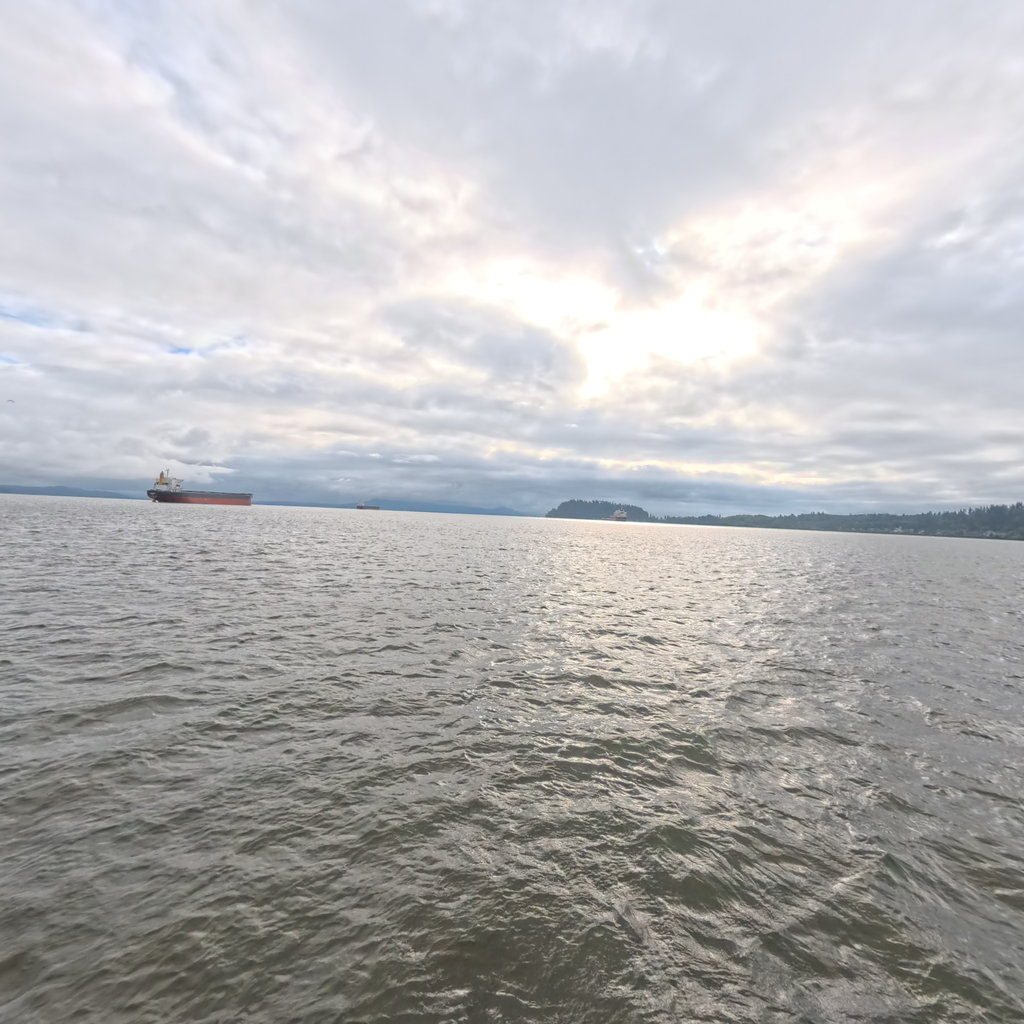
Exploring for winter camp site, south shore of Columbia
AI Summary

On a cloudy, rainy day at the Pacific coast camp, most Chinook visitors departed while Indians from other nations, including Chiltz, Clatsop, and a chief from the Grand Rapids, came to visit. Clark gave a medal to Tow-wall, a chief from the Great Shute. Strong southeast winds and high tides prevented travel and nearly flooded camp. Hunters killed 7 deer, 4 brants, and a crane. An older Chinook woman brought young women to camp seeking trade for sexual favors; Clark distributed ribbon to the men. The party purchased cranberries, mats, roots, salmon, hats, and baskets at high prices, and Clark recorded detailed observations of Chinook dress, ornamentation, diet, and prevalent venereal disease.

November 21st Thursday 1805 a Cloudy morning most of the Indians left us,
The nation on the opposit Side is Small & Called Clap-soil, Their
great chief name Stil-la-sha The nation liveing to the North is Called
Chieltz. The chief is name Malaugh not large nation and wore his beards as
informed by the Inds. In my absence the hunters Kild. 7 Deer, 4 brants
& a Crane.

Great numbers of the dark brant passing Southerley, the white yet
Stationary, no gees & Swan to be Seen. The wind blew hard from the S.
E. which with the addition of the flood tide raised emence Swells &
waves which almost entered our Encampment morng. dark & Disagreeable,
a Supriseing Climent. We have not had One cold day Since we passed below
the last falls or great Shute & Some time before the Climent is
temperate, and the only change we have experienced is from fair weather to
rainey windey weatherI made a chief & gave a medel this man is
name Tow-wall and appears to have Some influence with the nation and tells
me he lives at the great Shute-we gave the Squar a Coate of Blue Cloth for
the belt of Blue Beeds we gave for the Sea otter Skins purchased of an
Indian. at 12 oClock it began to rain, and continued moderately all day,
Some wind from the S. E., waves too high for us to proceed on our homeward
bound journey. Lattitude of this place is 46° 19′ 11 1/10″ North Several
Indians and Squars came this evening I beleave for the purpose of
gratifying the passions of our men, Those people appear to View Sensuality
as a necessary evile, and do not appear to abhore this as Crime in the
unmarried females. The young women Sport openly with our men, and appear
to receive the approbation of their friends & relations for So doing
maney of the women are handsom.

They are all low both men and women, I saw the name of J. Bowmon marked or
picked on a young Squars left arm. The women of this nation Pick their
legs in different figures as an orpiment. they were their hair loose, Some
trinkets in their ears, none in the nose as those above, their Dress is as
follows, i,e the men, were a roabe of either the skins of ____ a Small
fured animal, & which is most common, or the Skins of the Sea orter,
Loon, Swan, Beaver, Deer, Elk, or blankets either red, blu, or white,
which roabes cover the sholders arms & body, all other parts are nakd.

The women were a Short peticoat of the iner bark of the white Ceder or
Arber Vita, which hang down loose in Strings nearly as low as the knee,
with a Short Robe which fall half way down the Thigh. no other part is
Covered. The orniments are beeds, Blue principally, large Brass wire
around their rists Som rings, and maney men have Salors Clothes, many have
good fusees & Ball & PowderThe women ware a String of
Something curious tied tight above the anckle, all have large Swelled legs
& thighs The men Small legs & thighs and Generally badly madeThey
live on Elk Deer fowls, but principally fish and roots of 3 Kinds,
Lickorish, Wapto &c. The women have more privalages than is Common
amongst IndiansPocks & Venerial is Common amongst them I Saw
one man & one woman who appeared to be all in Scabs, & Several men
with the venereal, their other Disorders and the remides for them I could
not lern we divided Some ribin between the men of our party to bestow on
their favourite Lasses, this plan to Save the knives & more valueable
articles.

Those people gave me Sturgion Salmon & wapto roots, & we bought
roots, Some mats &c. &c. for which we were obliged to give emence
priceswe also purchased a kind of Cranberry which the Indians Say
the geather in the low lands, off of Small either vines or bushes just
abov the groundwe also purchased hats made of Grass &c. of
those Indians, Some very handsom mats made of flags-Some fiew curious
baskets made of a Strong weed & willow or ____ Splits-, also a Sweet
Soft black root, about th Sise & Shape of a Carrot, this root they
Value verry highly- The Wapto root is Scerce, and highly valued by those
people, this root they roste in hot ashes like a potato and the outer Skin
peals off, tho this is a trouble they Seldom perform.

Thursday November 21st 1805 a cloudy morning most of the Chinnooks leave
our Camp and return home, great numbers of the dark brant passing to the
South, the white Brant have not yet commenced their flight. The wind blew
hard from the S. E. which with the addition of the flood tide raised verry
high waves which broke with great violence against the Shore throwing
water into our Campthe fore part of this day Cloudy at 12 oClock it
began to rain and Continud all day moderately, Several Indians Visit us to
day of differant nations or Bands Some of the Chiltz Nation who reside on
the Sea Coast near Point Lewis, Several of the Clotsops who reside on the
opposit Side of the Columbia imediately opposit to us, and a Chief from
the Grand rapid to whome we gave a Medal.

An old woman & wife to a Cheif of the Chinnooks came and made a Camp
near ours She brought with her 6 young Squars I believe for the purpose of
gratifying the passions of the men of our party and receving for those
indulgiences Such Small as She (the old woman) thought proper to accept
of, Those people appear to view Sensuality as a Necessary evel, and do not
appear to abhor it as a Crime in the unmarried StateThe young
females are fond of the attention of our men and appear to meet the
sincere approbation of their friends and connections, for thus obtaining
their favours; the womin of the Chinnook Nation have handsom faces low and
badly made with large legs & thighs which are generally Swelled from a
Stopage of the circulation in the feet (which are Small) by maney Strands
of Beeds or curious Strings which are drawn tight around the leg above the
anckle, their legs are also picked with different figures, I Saw on the
left arm of a Squar the following letters,. Bowmon, all those are
Considered by the natives of this quarter as handsom deckerations, and a
woman without those deckorations is Considered as among the lower Class
they ware their hair lose hanging over their back and Sholders maney have
blue beeds threaded & hung from different parts of their ears and
about ther neck and around their wrists, their dress other wise is
prosisely like that of the Nation of Wa ci a cum as already discribed. a
Short roab, and tissue or kind of peticoat of the bark of Cedar which fall
down in Strings as low as the knee behind and not So low before maney of
the men have blankets of red blue or Spotted Cloth or the common three
& 21/2 point blankets, and Salors old Clothes which they appear to
prise highly, they also have robes of Sea Otter, Beaver, Elk, Deer, fox
and Cat common to this countrey, which I have never Seen in the U States.
They also precure a roabe from the nativs above, which is made of the
Skins of a Small animal about the Size of a Cat, which is light and
dureable and highly prized by those peoplethe greater numbers of
the men of the Chinnooks have Guns and powder and BallThe Men are
low homely and badly made, Small Crooked legs large feet, and all of both
Sects have flattened headsThe food of this nation is principally
fish & roots the fish they precure from the river by the means of nets
and gigs, and the Salmon which run up the Small branches together with
what they collect drifted up on the Shores of the Sea coast near to where
they live

The roots which they use are Several different kinds, the Wappato which
they precure from the nativs above, a black root which they call Shaw-na
tah que & the wild licquorish is the most Common, they also kill a
fiew Elk Deer & fowlmaney of the Chinnooks appear to have
venerious and pustelus disorders. one woman whome I saw at the beech
appeared all over in Scabs and ulsers &c.

we gave to the men each a pece of ribin We purchased Cramberies Mats verry
netely made of flags and rushes, Some roots, Salmon and I purchased a hat
made of Splits & Strong grass, which is made in the fashion which was
common in the U States two years ago also Small baskets to hold Water made
of Split and Straw, for those articles we gave high prices-.

Read this entry in modern English AI-translated

November 21st, Thursday 1805. A cloudy morning. Most of the Indians left us. The nation on the opposite side is small and is called Clap-soil. Their great chief's name is Stil-la-sha. The nation living to the north is called Chieltz. The chief's name is Malaugh. It is not a large nation, and he wore his beard, as I was informed by the Indians. In my absence the hunters killed 7 deer, 4 brants, and a crane.

Great numbers of dark brant are passing southerly; the white brant are still stationary. No geese or swans are to be seen. The wind blew hard from the southeast, which, with the addition of the flood tide, raised immense swells and waves that almost entered our encampment. The morning was dark and disagreeable. It is a surprising climate. We have not had one cold day since we passed below the last falls or great Shute (Chute), and for some time before that, the climate has been temperate. The only change we have experienced is from fair weather to rainy, windy weather. I made a chief and gave a medal. This man's name is Tow-wall, and he appears to have some influence with the nation. He tells me he lives at the great Shute (Chute). We gave the squaw a coat of blue cloth for the belt of blue beads we gave for the sea otter skins purchased from an Indian. At 12 o'clock it began to rain and continued moderately all day, with some wind from the southeast. The waves are too high for us to proceed on our homeward-bound journey. The latitude of this place is 46° 19' 11 1/10" North. Several Indians and squaws came this evening, I believe for the purpose of gratifying the passions of our men. These people appear to view sensuality as a necessary evil and do not appear to abhor it as a crime in unmarried females. The young women sport openly with our men and appear to receive the approbation of their friends and relations for so doing. Many of the women are handsome.

They are all short, both men and women. I saw the name of J. Bowmon marked or pricked on a young squaw's left arm. The women of this nation prick their legs in different figures as an ornament. They wear their hair loose, with some trinkets in their ears, and none in the nose, as those above wear. Their dress is as follows, that is, the men wear a robe of either the skins of ____ a small furred animal, which is most common, or the skins of the sea otter, loon, swan, beaver, deer, elk, or blankets either red, blue, or white. These robes cover the shoulders, arms, and body; all other parts are naked. The women wear a short petticoat of the inner bark of the white cedar or arborvitae, which hangs down loose in strings nearly as low as the knee, with a short robe that falls halfway down the thigh. No other part is covered. The ornaments are beads, principally blue, large brass wire around their wrists, and some rings. Many men have sailors' clothes, and many have good fusils, ball, and powder. The women wear a string of something curious tied tight above the ankle. All have large swollen legs and thighs. The men have small legs and thighs and are generally poorly built. They live on elk, deer, and fowl, but principally fish and roots of 3 kinds: licorice, wapato, etc. The women have more privileges than is common among Indians. Pox and venereal disease are common among them. I saw one man and one woman who appeared to be all in scabs, and several men with the venereal disease. Their other disorders and the remedies for them I could not learn. We divided some ribbon among the men of our party to bestow on their favorite lasses; this plan was to save the knives and more valuable articles.

These people gave me sturgeon, salmon, and wapato roots, and we bought roots, some mats, etc., etc., for which we were obliged to give immense prices. We also purchased a kind of cranberry, which the Indians say they gather in the lowlands, off of small either vines or bushes just above the ground. We also purchased hats made of grass, etc., from these Indians, some very handsome mats made of flags, and a few curious baskets made of a strong weed and willow or ____ splits. Also a sweet, soft black root, about the size and shape of a carrot, which they value very highly. The wapato root is scarce and highly valued by these people. They roast this root in hot ashes like a potato, and the outer skin peels off, though this is a trouble they seldom perform.


Thursday, November 21st, 1805. A cloudy morning. Most of the Chinnooks (Chinooks) left our camp and returned home. Great numbers of dark brant are passing to the south; the white brant have not yet commenced their flight. The wind blew hard from the southeast, which, with the addition of the flood tide, raised very high waves that broke with great violence against the shore, throwing water into our camp. The fore part of this day was cloudy. At 12 o'clock it began to rain and continued moderately all day. Several Indians visited us today from different nations or bands: some of the Chiltz Nation, who reside on the sea coast near Point Lewis; several of the Clotsops (Clatsops), who reside on the opposite side of the Columbia immediately opposite to us; and a chief from the Grand Rapid, to whom we gave a medal.

An old woman, wife to a chief of the Chinnooks (Chinooks), came and made a camp near ours. She brought with her 6 young squaws, I believe for the purpose of gratifying the passions of the men of our party and receiving for those indulgences such small items as she (the old woman) thought proper to accept. These people appear to view sensuality as a necessary evil and do not appear to abhor it as a crime in the unmarried state. The young females are fond of the attention of our men and appear to meet the sincere approbation of their friends and connections for thus obtaining their favors. The women of the Chinnook (Chinook) Nation have handsome faces. They are short and poorly built, with large legs and thighs, which are generally swollen from a stoppage of the circulation in the feet (which are small) caused by many strands of beads or curious strings drawn tight around the leg above the ankle. Their legs are also pricked with different figures. I saw on the left arm of a squaw the following letters: Bowmon. All these are considered by the natives of this quarter as handsome decorations, and a woman without these decorations is considered as among the lower class. They wear their hair loose, hanging over their back and shoulders. Many have blue beads threaded and hung from different parts of their ears, about their neck, and around their wrists. Their dress otherwise is precisely like that of the Wa-ci-a-cum Nation as already described: a short robe, and a tissue or kind of petticoat of the bark of cedar, which falls down in strings as low as the knee behind and not so low in front. Many of the men have blankets of red, blue, or spotted cloth, or the common three and two-and-a-half point blankets, and sailors' old clothes, which they appear to prize highly. They also have robes of sea otter, beaver, elk, deer, fox, and cat common to this country, which I have never seen in the United States. They also procure a robe from the natives above, which is made of the skins of a small animal about the size of a cat, which is light and durable and highly prized by these people. The greater number of the men of the Chinnooks (Chinooks) have guns, powder, and ball. The men are short, homely, and poorly built, with small crooked legs and large feet, and all of both sexes have flattened heads. The food of this nation is principally fish and roots. They procure the fish from the river by means of nets and gigs, and the salmon that run up the small branches, together with what they collect drifted up on the shores of the sea coast near where they live.

The roots which they use are several different kinds. The wapato, which they procure from the natives above, a black root which they call Shaw-na-tah-que, and the wild licorice are the most common. They also kill a few elk, deer, and fowl. Many of the Chinnooks (Chinooks) appear to have venereal and pustular disorders. One woman whom I saw at the beach appeared all over in scabs and ulcers, etc.

We gave to the men each a piece of ribbon. We purchased cranberries, mats very neatly made of flags and rushes, some roots, and salmon. I purchased a hat made of splits and strong grass, which is made in the fashion that was common in the United States two years ago, and also small baskets to hold water made of splits and straw. For these articles we gave high prices.

This modernization is AI-generated for accessibility. The original above is the authoritative version.

Our Partners