Journal Entry

Clark: September 4, 1804

September 4, 1804
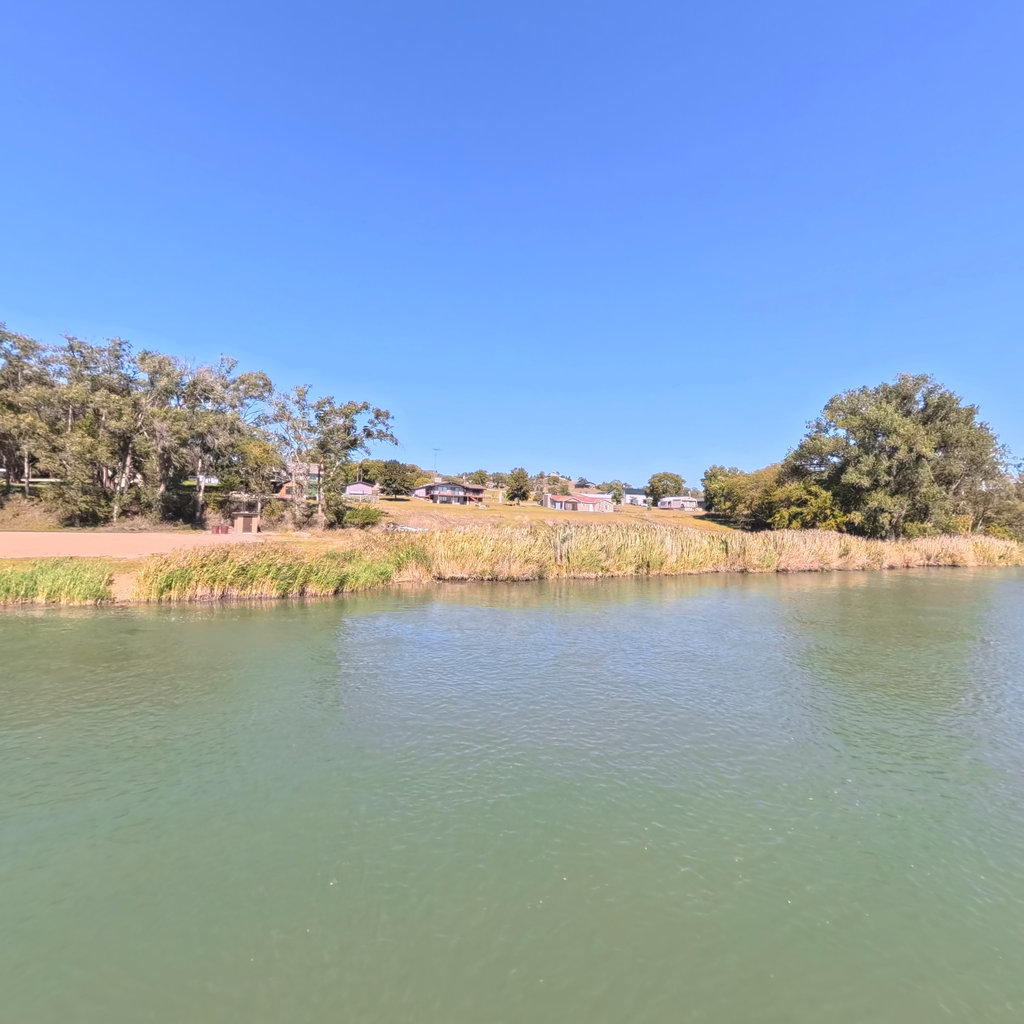
Missouri River near Niobrara River
AI Summary

On a very cold day with southeasterly winds, the expedition set out early and passed the mouth of White Lime Creek and, about a mile and a half further, White Paint Creek on the south side. Clark walked atop a red cedar–covered cliff for an extensive view. They reached the mouth of the Quicourre, or Rapid River, 152 yards wide but only 4 feet deep, sandy and unnavigable. Clark traveled three miles up it to a beautiful plain that once held a large Pawnee village, then rejoined the boat late at night at Pania Island.

4th of September Tuesday 1804. a verry Cold wind from South E. by S. we
Set out early proceeded on to the mouth of a Small Creek in the bend to
the L. S. Called white line at 11/2 miles furthr passed the mouth of a R
au platte or White paint Cr about 25 yd. on Same Side Called, I walked on
the top of the hill forming a Cliff Covd. with red Ceeder an extensive
view from this hill, at 3 Miles from the Creek the high land jut the river
forming a Bluff of Bluish Clay Continu 11/2 miles Came to at the mouth of
Qui courre (rapid) this river Comes roleing its Sands whuch (is corse)
into the Missouris from the S W by W. this river is 152 yards across the
water and not exeeding 4 feet Deep it does not rise high when it Does it
Spreds over a large Surface, and is not navagable it has a Great many
Small Islands & Sand bars I went up this river 3 miles to the Spot the
Panis once had a large Village on the upper Side in a butifull extensive
Plain riseing gradially from the river I fel into a Buffalow road joined
the boat late at night at the Pania Island.

4th September Tuesday 1804 a verry Cold wind from the S. S. E, we Set out
early and proceeded on the mouth of a Small Creek in a bend to the L. S.
Called White lime, at 11/2 miles higher up passed a large Creek on the L.
S. Called or white paint between those two Creeks (the latter of which is
abt. 30 yds. wide) we passed under a Bluff of red Ceeder, at 4 mes. 1/2
passed the mouth of the River Que Courre (rapid R) on the L. S. and Came
to a Short distance above, this River is 152 yards wide at the mouth &
4 feet Deep Throwing out Sands like the Platt (only Corser) forming bars
in its mouth, I went up this river three miles to a butifull Plain on the
upper Side where the Panias once had a Village this river widens above its
mouth and is devided by Sand and Islands, the Current verry rapid, not
navagable for even Canoos without Great dificulty owing to its Sands; the
colour like that of the Plat is light the heads of this river is not
known, it Corns into the Missourie from the S. W. by West, and I am told
that is Genl. Course Some distance up is parrelel with the Missourie

Read this entry in modern English AI-translated

4th of September, Tuesday 1804. A very cold wind from south-east by south. We set out early and proceeded on to the mouth of a small creek in the bend to the larboard side, called White Line, at 1 1/2 miles further. We passed the mouth of a R au Platte or White Paint Creek, about 25 yards wide, on the same side. I walked on the top of the hill forming a cliff covered with red cedar; there is an extensive view from this hill. At 3 miles from the creek the high land juts up to the river, forming a bluff of bluish clay that continues 1 1/2 miles. We came to at the mouth of Qui Courre (Rapid). This river comes rolling its sands (which are coarse) into the Missouri from the south-west by west. This river is 152 yards across the water and not exceeding 4 feet deep. It does not rise high; when it does, it spreads over a large surface, and is not navigable. It has a great many small islands and sandbars. I went up this river 3 miles to the spot where the Panis (Pawnees) once had a large village on the upper side, in a beautiful extensive plain rising gradually from the river. I fell into a buffalo road and joined the boat late at night at the Pania Island.

4th September, Tuesday 1804. A very cold wind from the south-south-east. We set out early and proceeded on to the mouth of a small creek in a bend to the larboard side, called White Lime, at 1 1/2 miles higher up. We passed a large creek on the larboard side, called White Paint (the latter of which is about 30 yards wide). Between those two creeks we passed under a bluff of red cedar. At 4 1/2 miles we passed the mouth of the River Que Courre (Rapid R) on the larboard side, and came to a short distance above. This river is 152 yards wide at the mouth and 4 feet deep, throwing out sands like the Platt (only coarser), forming bars in its mouth. I went up this river three miles to a beautiful plain on the upper side, where the Panias once had a village. This river widens above its mouth and is divided by sand and islands. The current is very rapid, not navigable for even canoes without great difficulty, owing to its sands. The color, like that of the Platt, is light. The head of this river is not known. It comes into the Missouri from the south-west by west, and I am told that its general course some distance up is parallel with the Missouri.

This modernization is AI-generated for accessibility. The original above is the authoritative version.

Entities mentioned in this entry

Tribes & Nations:
Animals:
Plants:
Weather:
Cultural:

Auto-extracted from the entry text. Hover any entity for context.

Our Partners