Lewis: May 7, 1806
Wednesday May 7th 1806. This morning we collected our horses and set out
early accompanyed by the brother of the twisted hair as a guide;
Wearkkoomt and his party left us. we proceeded up the river 4 miles to a
lodge of 6 families just below the entrance of a small creek, here our
guide recommended our passing the river. he informed us that the road was
better on the South side and that game was more abundant also on that side
near the entrance of the Chopunnish river. we determined to pursue the
rout recommended by the guide and accordingly unloaded our horses and
prepared to pass the river which we effected by means of one canoe in the
course of 4 hours. a man of this lodge produced us two canisters of powder
which he informed us he had found by means of his dog where they had been
buried in a bottom near the river some miles above, they were the same
which we had buryed as we decended the river last fall. as he had kept
them safe and had honesty enough to return them to us we gave him a fire
steel by way of compensation. during our detention at the river we took
dinner, after which or at 3 P.M. we renewed our march along the river
about 2 ms. over a difficult stony road, when we left the river and
asscended the hills to the wright which are here mountains high. the face
of the country when you have once ascended the river hills is perfectly
level and partially covered with the longleafed pine. the soil is a dark
rich loam thickly covered with grass and herbatious plants which afford a
delightfull pasture for horses. in short it is a beautifull fertile and
picteresque country. Neeshneparkeeook overtook us and after riding with us
a few miles turned off to the wright to visit some lodges of his people
who he informed me were geathering roots in the plain at a little distance
from the road. our guide conducted us through the plain and down a steep
and lengthey hill to a creek which we called Musquetoe Creek in
consequence of being infested with swarms of those insects on our arrival
at it. this is but an inconsiderable stream about 6 yds. wide heads in the
plains at a small distance and discharges itself into the Kooskooke 9
miles by water below the entrance of the Chopunnish river. we struck this
creek at the distance of 5 ms. from the point at which we left the river
our cours being a little to the S. of East. ascending the creek one mile
on the S. E. side we arrived at an indian incampment of six lodges which
appeared to have been recently evacuated. here we remained all night
having traveled 12 miles only. the timbered country on this side of the
river may be said to commence near this creek, and on the other side of
the river at a little distance from it the timber reaches as low as
Colter’s Creek. the earth in many parts of these plains is thrown up in
little mounds by some animal whose habits are similar to the Sallemander,
like that animal it is also invisible; notwithstanding I have observed the
work of this animal thoughout the whole course of my long tract from St.
Louis to the Pacific ocean I have never obtained a view of this animal.
the Shoshone man of whom I have before made mention evertook us this
evening with Neeshneparkeeook and remained with us this evening.we
suped this evening as we had dined on horse-beef. we saw several deer this
evening and a great number of the tracks of these animals we determined to
remain here untill noon tomorrow in order to obtain some venison and
accordingly gave orders to the hunters to turn out early in the morning.he
Spurs of the rocky Mountains which were in view from the high plain today
were perfectly covered with snow. the Indians inform us that the snow is
yet so deep on the mountains that we shall not be able to pass them untill
the next full moon or about the first of June; others set the time at
still a more distant period. this unwelcom inteligence to men confined to
a diet of horsebeef and roots, and who are as anxious as we are to return
to the fat plains of the Missouri and thence to our native homes. The
Chopunnish bury their dead in Sepulchres formed of boards like the roofs
of houses. the corps is rolled in skins and laid on boards above the
surface of the earth. they are laid in several teer one over another being
seperated by a board only above and below from other corps. I did observe
some instances where the body was laid in an indifferent woden box which
was placed among other carcased rolled in skin in the order just
mentioned. they sacrifice horses canoes and every other speceis of
property to their ded. the bones of many horses are seen laying about
those sepulchres. this evening was cold as usual.
Entities mentioned in this entry
Auto-extracted from the entry text. Hover any entity for context.
Terrain360 · the place today
Clearwater to Snake River in 360°
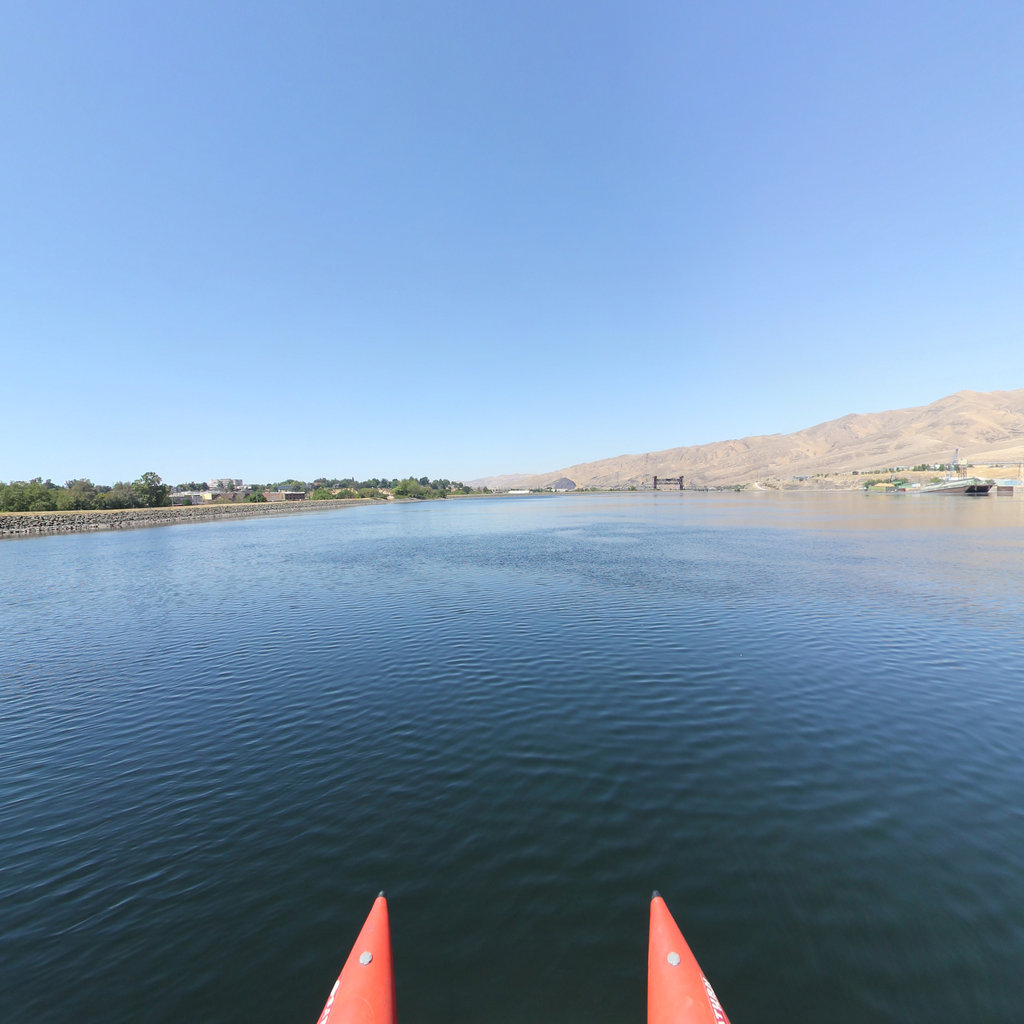
10 frames across 1.7 mi of the route around this location
Analyses
- Honest Returns and Mosquito Creek: Three Voices on the Kooskooske Crossing
- John Colter: The Hunter Who Walked Away From Home
- The Shoshone Nation: Sacagawea’s People and the Horse Trade
- The Nez Perce (Chopunnish): Allies of the Bitterroot and Kooskooske
- The Captain’s Eye: Meriwether Lewis as Naturalist, Quartermaster, and Reluctant Diarist
Artwork
Help improve this record
See something that needs correcting, or know a source we are missing? The archive gets better through its readers.


