Camp Fortunate, Sacagawea reunites with Cameahwait — Patrick Gass: August 20, 1805
early and travelled about 4 miles, to a village of the Indians
on the bank of a branch of the Columbia river, about ten
yards wide and very rapid. At this place there are about 25
lodges made of willow bushes. They are the poorest and most
miserable nation I ever beheld; having scarcely any thing to
subsist on, except berries and a few fish, which they contrive
by some means, to take. They have a great many fine horses,
and nothing more; and on account of these they are much
harrassed by other nations. They move about in any direction
where the berries are most plenty. We had a long talk with
them, and they gave us very unfavourable accounts with respect
to the rivers. From which we understood that they were not
128 GASS’S JOURNAL OF THE
navigable down, and expect to perform the rout by land.
Here we procured a guide, and left our interpreters to go on
with the natives, and assist Captain Lewis and his party to
bring on the baggage.
Captain Clarke and our party proceeded down the river
with our guide, through a valley about 4 miles wide, of a rich
soil, but almost without timber.—There are high mountains
on both sides, with some pine trees on them. We went about
8 miles and encamped on a fine spring. One of our men
remained behind at the village to buy a horse, and did not
join us this evening. Five of the Indians came and stayed
with us during the night. They told us that they were some-
times reduced to such want, as to be obliged to eat their
horses.
W ednesday 21st. About 7 o’clock in the morning we con-
tinued our journey down the valley, and came to a few lodges
of Indians where our guide lives. We remained here about
two hours, during which time a number of Indians passed us,
going to fish. We proceeded on the way the Indians had
gone; and one of our men went with them to the fishing
place. The valley becomes very narrow here, and a large
branch of the river comes in a short distance below. Here
we had to ascend high ground, the bottom is so narrow; and
continued on the high ground about six miles when we came
again to the river, where a fine branch flows in, the valley 4 or §
miles wide. In this branch we shot a salmon about 6 pounds
weight. We travelled 20 miles this day, and encamped at
a place where the mountains come close to the river. In the
LEWIS AND CLARK EXPEDITION – 129
valley through which we passed and all along the river, there
are cherries, currants and other small fruit. The man who
had remained behind at the first village and the other who had
gone with the Indians to their fishing place, both joined us
here. The Indians gave them five salmon to bring to us: and
he that had stayed for a horse, brought one with him. At
this place the river is about 70 yards wide.
Entities mentioned in this entry
Auto-extracted from the entry text. Hover any entity for context.
Terrain360 · the place today
Camp Fortunate / Shoshone contact in 360°
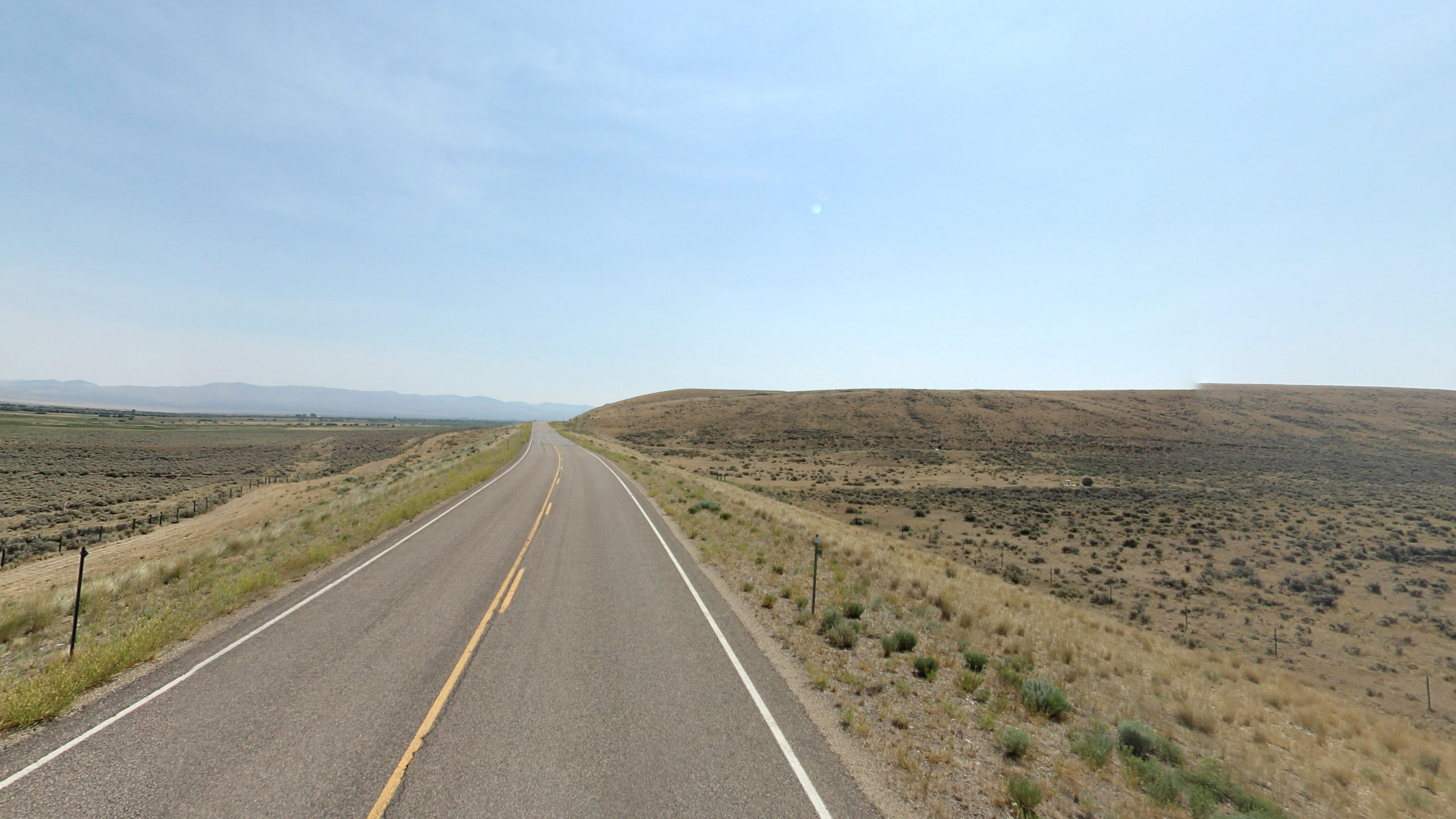
10 frames across 1.6 mi of the route around this location
Artwork
Help improve this record
See something that needs correcting, or know a source we are missing? The archive gets better through its readers.


