Clark: August 21, 1805
August 21st Wednesday 1805 Frost last night proceeded on with the Indians
I met about 5 miles to there Camp, I entered a lodge and after Smokeing
with all who Came about me I went to See the place those people take the
fish, a wear across the Creek in which there is Stuk baskets Set in
different derections So as to take the fish either decending or assending
on my return to the Camp which was 200 yards only the different lodges
(which is only bushes) brought in to the lodge I was introduced into,
Sammon boiled, and dried Choke Chers. Sufficent for all my party.one
man brought me a tomahawk which we expected they had Stolen from a man of
Capt Lewis’s party, this man informed me he found the tomk in the grass
near the place the man Slept. Crossed the River and went over a point of
high land & Struck it again near a Bluff on the right Side the man I
left to get a horse at the upper Camp missed me & went to the forks
which is about five miles below the last Camp.
I sent one man by the forks with derections to join me to night with the
one now at that place, those two men joined me at my Camp on the right
Side below the 1st Clift with 5 Sammon which the Indians gave them at the
forks, the place they gig fish at this Season. Their method of takeing
fish with a gig or bone is with a long pole, about a foot from one End is
a Strong String attached to the pole, this String is a little more than a
foot long and is tied to the middle of a bone from 4 to 6 inches long, one
end Sharp the other with a whole to fasten on the end of the pole with a
beard to the large end, the fasten this bone on one end & with the
other, feel for the fish & turn and Strike them So hard that the bone
passes through and Catches on the opposit Side, Slips off the End of the
pole and holds the Center of the bone Those Indians are mild in their
disposition appear Sincere in their friendship, punctial, and decided.
kind with what they have, to Spare. They are excessive pore, nothing but
horses there Enemies which are noumerous on account of there horses &
Defenceless Situation, have Deprived them of tents and all the Small
Conveniances of life. They have only a few indifferent Knives, no ax, make
use of Elk’s horn Sharpened to Spit ther wood, no clothes except a Short
Legins & robes of different animals, Beaver, Bear, Buffalow, wolf
Panthor, Ibex, Sheep Deer, but most commonly the antilope Skins which they
ware loosely about themTheir ornements are Orter Skin dcurated with
See Shells & the Skins & tales of the white weasel, Sea Shels of
different size hung to their Ears hair and breast of their Shirts, beeds
of Shells platted grass, and Small Strings of otter Skin dressed, they are
fond of our trinkets, and give us those ornements as the most valueable of
their possession. The women are held Sacred and appear to have an equal
Shere in all Conversation, which is not the Case in any othe nation I have
Seen. their boeys & Girls are also admited to Speak except in
Councils, the women doe all the drugery except fishing and takeing care of
the horses, which the men apr. to take upon themselves.The men ware
the hair loose flowing over ther Sholders & face the women Cut Short,
orniments of the back bones of fish Strung plated grass grains of Corn
Strung Feathers and orniments of Birds Claws of the Bear encurcling their
necks the most Sacred of all the orniments of this nation is the Sea
Shells of various Sizes and Shapes and colours, of the bassterd perl kind,
which they inform us they get from the Indians to the South on the other
Side of a large fork of this river in passing to which they have to pass
thro Sandy & barron open plains without water to which place they can
travel in 15 or 20 daysThe men who passed by the forks informed me
that the S W. fork was double the Size of the one I came down, and I
observed that it was a handsom river at my camp I shall injustice to Capt
Lewis who was the first white man ever on this fork of the Columbia Call
this Louis’s river. one Deer killed this morning, and a Sammon in the last
Creek 21/2 feet long The Westerley fork of the Columbia River is double
the Size of the Easterley fork & below those forks the river is about
the Size Jeffersons River near its mouth or 100 yards wide, it is verry
rapid & Sholey water Clear but little timber. This Clift is of a
redish brown Colour the rocks which fall from it is a dark brown flint
tinged with that Colour. Some Gullies of white Sand Stone and Sand fine
& as white as Snow. The mountains on each Side are high, and those on
the East ruged & Contain a fiew Scattering pine, those on the West
contain pine on ther tops & high up the hollowsThe bottoms of
this is wide & rich from some distance above the place I struck the
East fork they are also wide on the East Passed a large Creek which fall
in on the right Side 6 miles below the forks a road passes up this Creek
& to the Missouri.
Entities mentioned in this entry
Auto-extracted from the entry text. Hover any entity for context.
Terrain360 · the place today
Camp Fortunate / Shoshone contact in 360°
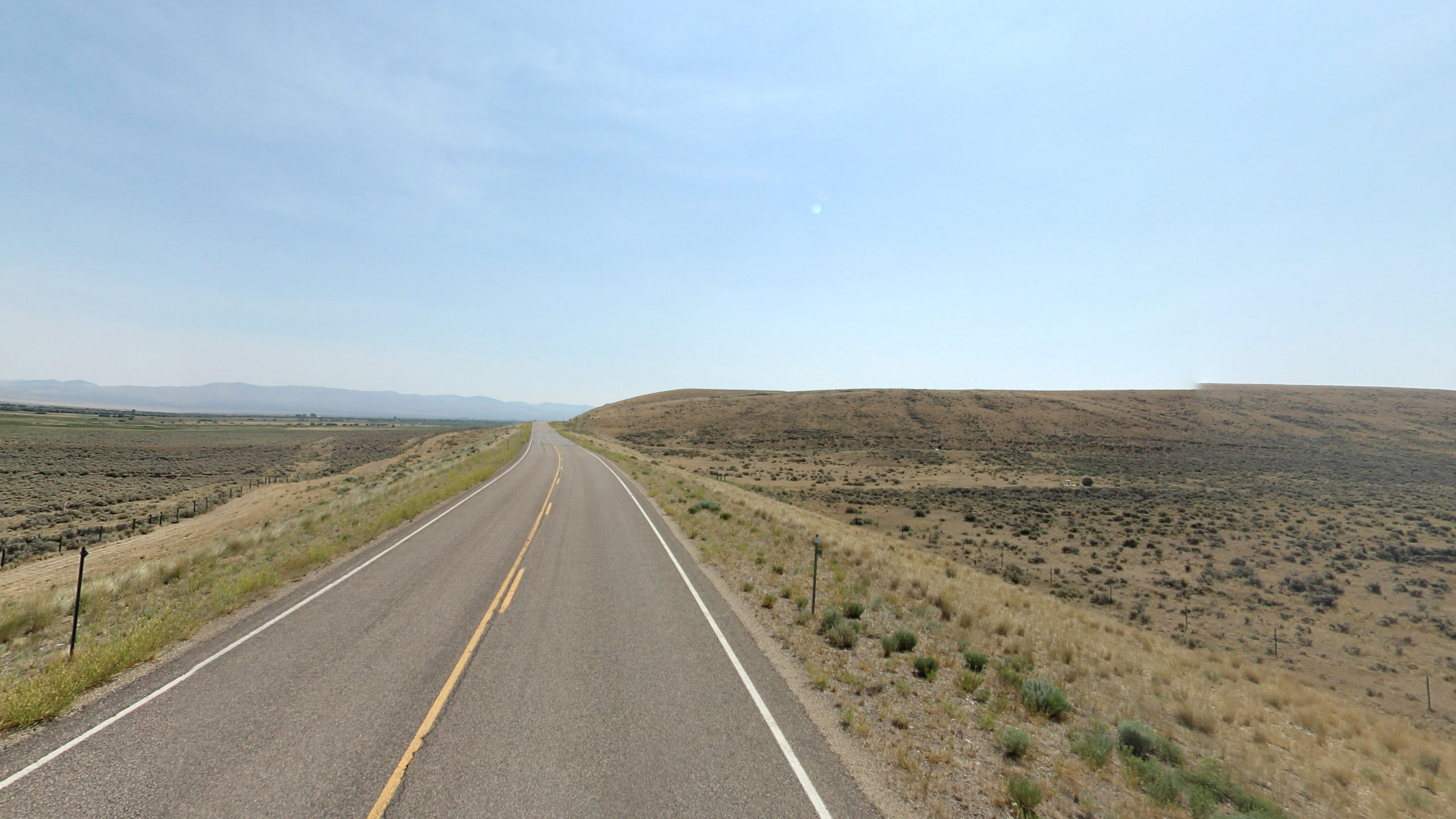
10 frames across 1.6 mi of the route around this location
Analyses
- The Omaha (Maha) Nation: A Diminished People in the Journals of Lewis & Clark
- Thomas Jefferson: The Distant Architect of the Voyage of Discovery
- The Silence of Meriwether Lewis: What Clark and the Sergeants Preserved, August 1805–January 1806
- Two Camps, One Cold Morning: The Split Record at Camp Fortunate
Artwork
Help improve this record
See something that needs correcting, or know a source we are missing? The archive gets better through its readers.


