Clark: January 22, 1806
Friday 22nd January 1806 The party Sent for the meat this morning returned
with it in the evening; it was in verry inferior order, in Short the
animals were pore. Rieuben Field Shannon and Labiech remained in the woods
to hunt. our late Supply of Salt is out. we have not heard a word of the
other hunters who are below us towards point adams and the Praries. Some
rain this day at intervales
There are three Species of fern in this neighbourhood the root one of
which the nativs eate; that of which the nativs eate produce no flowers
whatever or fruit of a fine green Colour and the top is annual, and in
Course dead at present.
I observe no difference between the licorice of this Countrey and that
Common to maney parts of the United States where it is sometimes
Cultivated in our gardins-. this plant delights in a deep lose Sandy Soil;
here it grows verry abundant and large; the nativs roste it in the embers
and pound it Slightly with a Small Stick in order to make it Seperate more
readily from the Strong liggaments which forms the center of the root;
this they discard and chew and Swallow the ballance of the root; this last
is filled with a number of thin membrencies like network, too tough to be
masticated and which I find it necessary also to discard. This root when
roasted possesses an agreeable flavour not unlike the Sweet potato. The
root of the thistle (described yesterday) after undergoing the process of
Sweting or bakeing in a kiln is Sometimes eaten with the train oil also,
at other times pounded fine and mixed with Cold water, untill reduced to
the Consistancy of Gruel; in this way I think it verry agreeable. but the
most valuable of all their roots is foreign to this neighbourhood I mean
the Wappetoe.
The Wappetoe, or bulb of the Sagitifolia or common arrow head, which grows
in great abundance in the marshey grounds of that butifull and fertile
vally on the Columbia commenceing just above the quick Sand River and
extending downwards for about 70 miles. this bulb forms a principal
article of trafic between the inhabitents of the vally and those of their
neighbourhood or Sea coast.
Entities mentioned in this entry
Auto-extracted from the entry text. Hover any entity for context.
Terrain360 · the place today
Fort Clatsop, winter quarters in 360°
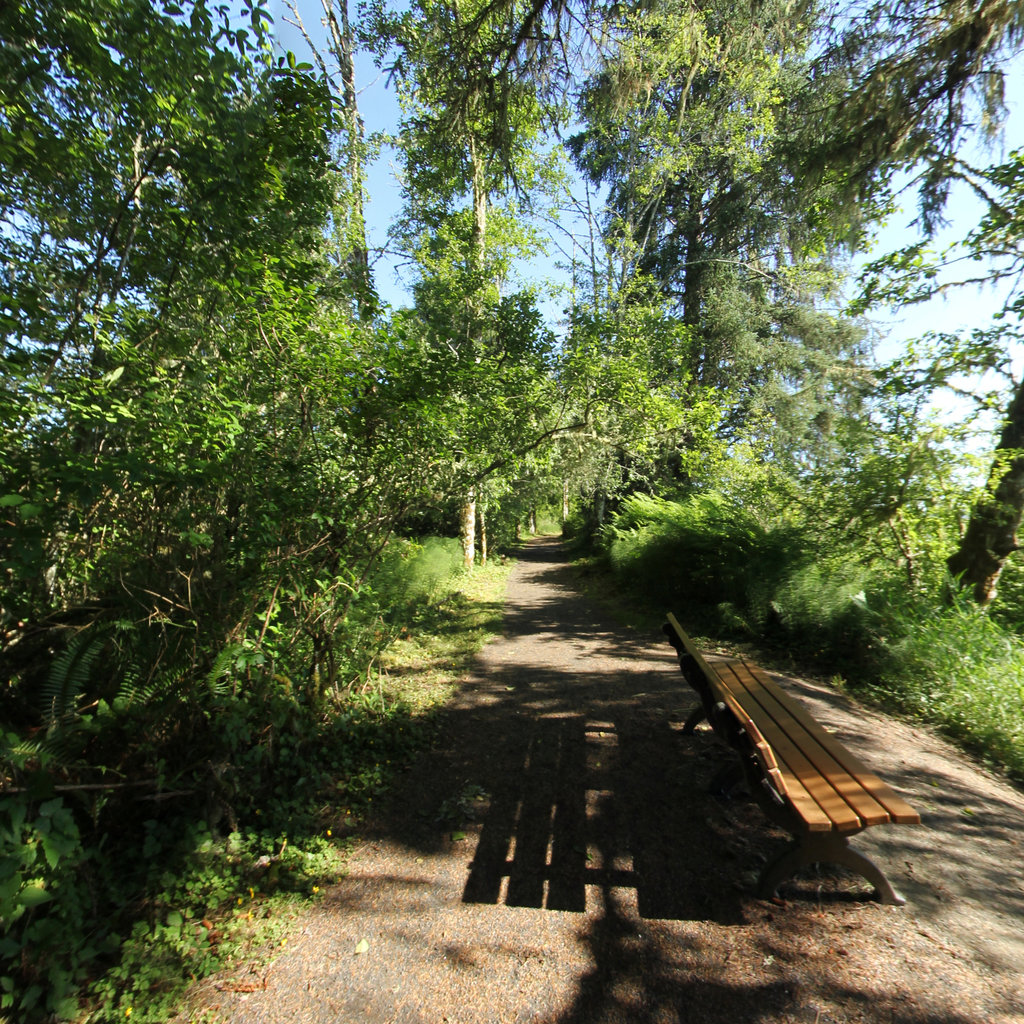
10 frames across 0.8 mi of the route around this location
Analyses
Artwork
Help improve this record
See something that needs correcting, or know a source we are missing? The archive gets better through its readers.


