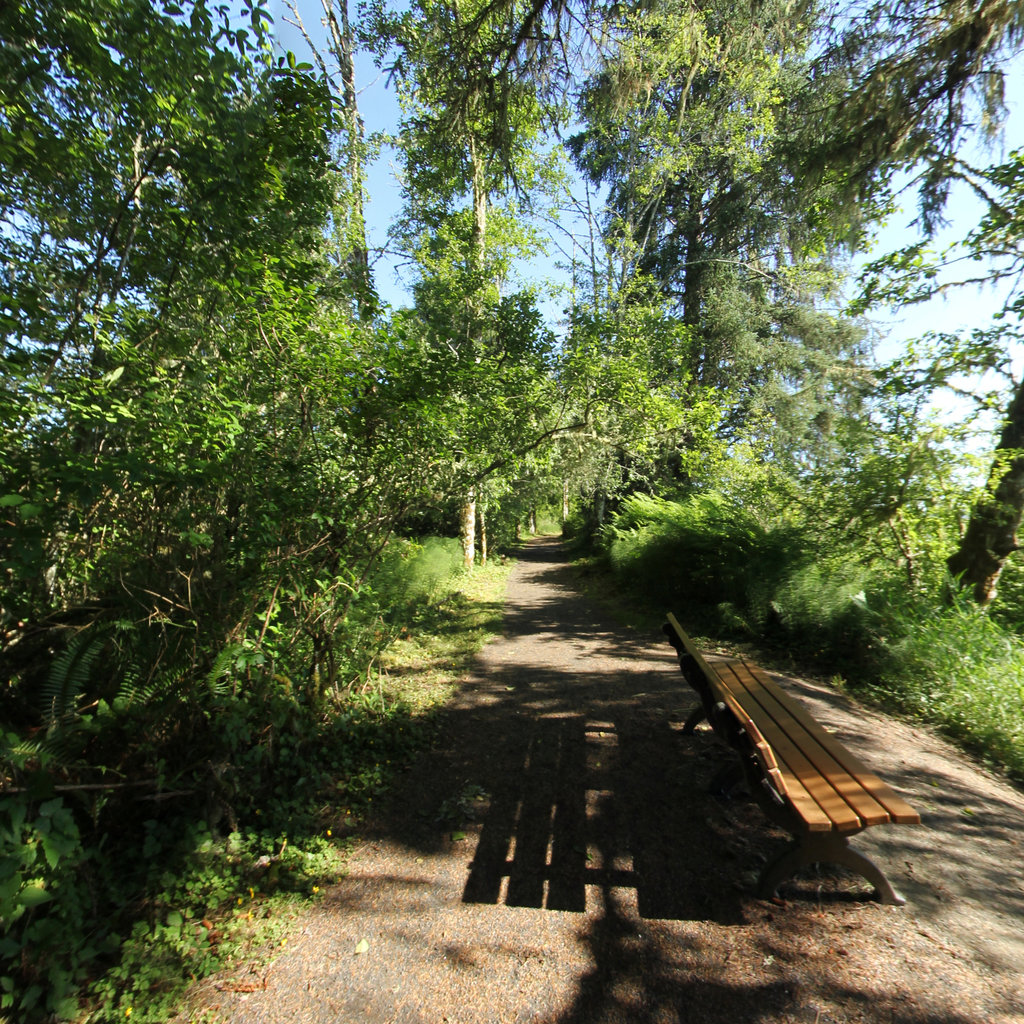
Clark: March 1, 1806
At Fort Clatsop, Sergeant Gass and twelve men were sent in two canoes to retrieve elk killed by hunters two days earlier, returning that evening with meat from three elk while Thompson stayed behind to jerk the remaining two. The visiting Kuskalar party departed around noon. Clark noted that the roughly ten-year-old boy the Indian had offered to sell him was a captive taken from a distant coastal nation. Reuben Field and Collins returned empty-handed. Clark devoted much of the entry to describing the prairie hen or grouse of the Columbia plains, detailing its plumage, winter-adapted feet, diet, and flocking behavior.
Saturday March the 1st 1806 This morning we despatched Sergt. Gass with 12
men in two Canoes in quest of the Elk which had been killed by the hunters
the day before yesterday. they returned with the flesh of three of them
late in the evening. Thompson was left with the hunters in order to jurk
and take care of the flesh of the remaining two. Kuskalar &c. left us
about noon. The boy which this Indian offered to Sell to me is about 10
years of age. this boy had been taken prisoner by the Kit a mox from Some
Nation on the Coast to the S. East of them at a great distance. like other
Indian nations they adopt their Slaves in their famelies and treat them
very much like their own Children. Reuben Field and Collins who had been
absent Since yesterday morning returned without killing any thing.
The birds on the western Side of the Rocky Mountain’s to the Pacific Ocian
for Convenience I Shall devide into from the habit of the birds,
Terrestrial and Aquatic. i e Fowls of the air, and fowls of the water.
The Prarie Hen sometimes called the Grouse is peculiarly the inhabitent of
the Great Plains of Columbia. they do not differ from those of the upper
portion of the Missouri, the tails of which is pointed or the feathers in
its center much longer than those on the Sides. this Species differ
assentially in the construction of this part of their plumage from those
of the Illinois which have their tail composed of feathers of equal
length. in the winter Season this berd is booted even to the first joint
of it’s toes. the toes are also curiously bordered on their lower edges
with narrow hard scales which are placed very close to each other and
extend horizontally about 1/8 of an inch on each Side of the toe, thus
adding to the width of the tread which nature Seams bountifully to have
furnished them with at this Season for passing over the Snow with more
ease. in the Summer Season those Scales fall off. they have four toes on
each foot. their colour is a mixture of dark brown redish and yellowish
brown and white confusedly mixed in which the redish brown prevails most
on the upper parts of the body wings and tail. and the white underneath
the belley and lower parts of the breast and tail. they associate in large
flocks in autumn & winter and are frequently found in flocks of from
five to Six even in Summer. They feed on grass, insects, the leaves of
various Shrubs in the Praries, and on the Seeds of Several Species of
Spelts and wild rye which grow in the richer parts of the Plains. in the
winter their food is the buds of the willow and Cottonwood also the most
of the native berries furnish them with food. they cohabit in flock &
the Cocks fight verry much at those Seasons.
Read this entry in modern English AI-translated
Saturday, March 1st, 1806. This morning we dispatched Sergt. Gass (Sergeant Gass) with 12 men in two canoes in quest of the elk that had been killed by the hunters the day before yesterday. They returned with the flesh of three of them late in the evening. Thompson was left with the hunters in order to jerk and take care of the flesh of the remaining two. Kuskalar and others left us about noon. The boy that this Indian offered to sell to me is about 10 years of age. This boy had been taken prisoner by the Kitamox from some nation on the coast to the southeast of them at a great distance. Like other Indian nations, they adopt their slaves into their families and treat them very much like their own children. Reuben Field and Collins, who had been absent since yesterday morning, returned without killing anything.
For convenience, I shall divide the birds on the western side of the Rocky Mountains to the Pacific Ocean, based on the habits of the birds, into terrestrial and aquatic — that is, fowls of the air and fowls of the water.
The prairie hen, sometimes called the grouse, is peculiarly an inhabitant of the great plains of Columbia. They do not differ from those of the upper portion of the Missouri, whose tails are pointed, with the feathers in the center much longer than those on the sides. This species differs essentially in the construction of this part of their plumage from those of the Illinois, which have their tails composed of feathers of equal length. In the winter season, this bird is feathered (booted) even to the first joint of its toes. The toes are also curiously bordered on their lower edges with narrow hard scales, which are placed very close to each other and extend horizontally about 1/8 of an inch on each side of the toe, thus adding to the width of the tread that nature seems to have bountifully furnished them with at this season for passing over the snow with more ease. In the summer season, those scales fall off. They have four toes on each foot. Their color is a mixture of dark brown, reddish and yellowish brown, and white, confusedly mixed, in which the reddish brown prevails most on the upper parts of the body, wings, and tail, and the white underneath the belly and lower parts of the breast and tail. They associate in large flocks in autumn and winter and are frequently found in flocks of from five to six even in summer. They feed on grass, insects, the leaves of various shrubs in the prairies, and on the seeds of several species of spelt and wild rye that grow in the richer parts of the plains. In the winter, their food is the buds of the willow and cottonwood; most of the native berries also furnish them with food. They cohabit in flocks, and the cocks fight very much at those seasons.
This modernization is AI-generated for accessibility. The original above is the authoritative version.
Entities mentioned in this entry
Auto-extracted from the entry text. Hover any entity for context.