Journal Entry

Clark: May 3, 1805

May 3, 1805
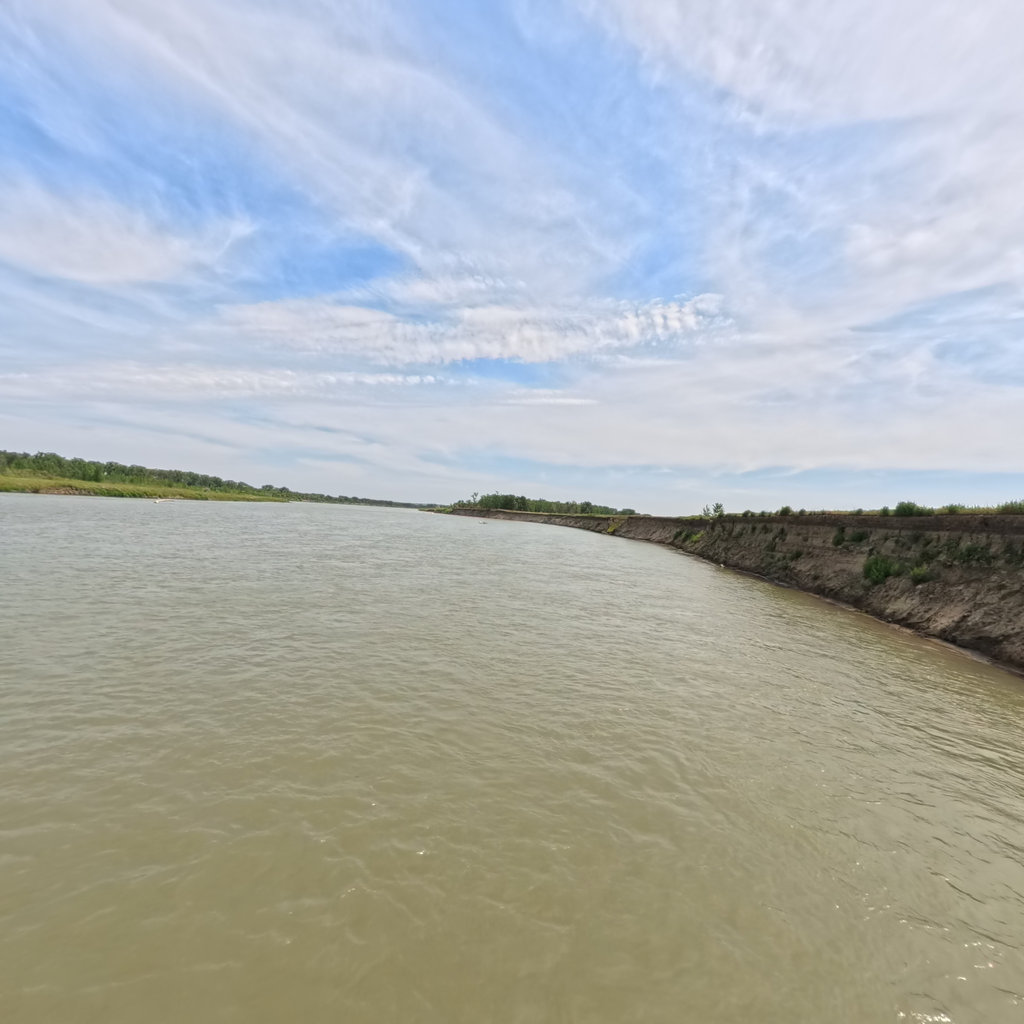
Missouri River near Porcupine River
AI Summary

A frigid morning with temperatures at 26°F delayed the party's start. Along the way, they observed Native American offerings, including scarlet cloth and a bundle of bushes left near sweat houses. Clark walked ashore, killed an elk for dinner, and noted abundant wildlife: buffalo, elk, deer, antelope, beaver, porcupines, and waterfowl. He explored a clear, 100-yard-wide tributary on the starboard side, naming it Porcupine River, while Reuben Field examined a nearby creek dubbed 2000 Mile Creek. The group camped after three more miles, where Clark rejoined Lewis.

May 3rd Friday 1805 we Set out reather later this morning than usial owing
to weather being verry cold, a frost last night and the Thermt. Stood this
morning at 26 above 0 which is 6 Degrees blow freeseingthe ice that
was on the Kittle left near the fire last night was 1/4 of an inch thick.
The Snow is all or nearly all off the low bottoms, the Hills are entireley
Covered. three of our party found in the back of a bottom 3 pieces of
Scarlet one brace in each, which had been left as a Sacrifice near one of
their Swet houses, on the L. S. we passed to day a curious collection of
bushes tied up in the shape of fascene about 10 feet diamuter, which must
have been left also by the natives as an offering to their medison which
they Convinced protected or gave them relief near the place, the wind
Continued to blow hard from the West, altho not Sufficently So to detain
us, I walked on Shore and killed an Elk & had him bucchured by the
time the Perogus Came up which was the usial time of dineing. The high
lands are low and from 8 to 9 miles apart and there is evident marks of
the bead of the river having been changed frequently but little appearance
of the Coal & burnt hills to day- Great numbers of Buffalow, Elk,
Deer, antilope, beaver, Porcupins, & water fowls Seen to day, Such as,
Geese, ducks of dift. kinds, & a fiew SwanI continued my walk
on Shore after dinner, and arrived at the mouth of a river on the St.
Side, which appeared to be large, and I concluded to go up this river a
few miles to examine it accordingly I Set out North 1 mile thro wood or
timbered bottom, 2 miles through a butifull leavel plain, and 1 mile over
a high plain about 50 feet higher than the bottom & Came to the little
river, which I found to be a butifull clear Stream of about 100 yds. from
bank to bank, (I waded this river at the narrowest part and made it 112
Steps from bank to bank and at this place which was a kind of fording
place the water was near Knee deep, and 38 steps wide, the bottom of a
hard stiff Black Clay,) I observed a Great perportion of timber in the
bottoms of this river as far as I could See which was to the East of N. 18
or 20 miles, it appears to be navigable at this time for Canoes, and from
appearances must be navagable a long distance for Perogus & boats in
high water. This river we call Porcupine from the great number of those
anamals found about it’s mouth.a Short distance above about 1/4
mile and on the Lard Side a large Creek falls in, which R. Fields went to
examine & reports that it is a bold running Stream, 30 yds wide as
this Creek is 2000 miles up the Missouri we Call it the 2000 mile Creek,
we proceeded on 3 miles & Camped on the S. S. here I joined Capt Lewis
who had in my absens walkd. on the upper Side of Porcupine River for Some
distanceThis river from its Size & quantity of water must head
at no great distance from the Saskashawan on this river I Saw emence herds
Elk & Buffalow & many deer & Porcupine. I also Saw the top of
a mountain which did not appear verry high to the West of N. & bore N
W. I Saw on the high land limestone & pebbleThe Countrey about
the mouth of this river and as far as the eye Can reach is butifull open
Countrey. The greater part of the Snow is melted.

Read this entry in modern English AI-translated

May 3rd, Friday, 1805. We set out rather later this morning than usual, owing to the weather being very cold. There was a frost last night, and the thermometer stood this morning at 26 above 0, which is 6 degrees below freezing. The ice that was on the kettle left near the fire last night was 1/4 of an inch thick. The snow is all, or nearly all, off the low bottoms; the hills are entirely covered.

Three of our party found, in the back of a bottom, 3 pieces of scarlet (one brace in each) which had been left as a sacrifice near one of their sweat houses on the L. S. We passed today a curious collection of bushes tied up in the shape of a fascine about 10 feet in diameter, which must have been left also by the natives as an offering to their medicine, which they were convinced protected them or gave them relief near the place. The wind continued to blow hard from the west, although not sufficiently so to detain us.

I walked on shore and killed an elk and had him butchered by the time the pirogues came up, which was the usual time of dining. The highlands are low and from 8 to 9 miles apart, and there are evident marks of the bed of the river having been changed frequently, but little appearance of the coal and burnt hills today. Great numbers of buffalo, elk, deer, antelope, beaver, porcupines, and waterfowl seen today, such as geese, ducks of different kinds, and a few swan.

I continued my walk on shore after dinner, and arrived at the mouth of a river on the St. side, which appeared to be large, and I concluded to go up this river a few miles to examine it. Accordingly, I set out north 1 mile through wood or timbered bottom, 2 miles through a beautiful level plain, and 1 mile over a high plain about 50 feet higher than the bottom, and came to the little river, which I found to be a beautiful clear stream of about 100 yards from bank to bank. (I waded this river at the narrowest part and made it 112 steps from bank to bank, and at this place, which was a kind of fording place, the water was near knee deep and 38 steps wide, the bottom of a hard stiff black clay.) I observed a great proportion of timber in the bottoms of this river as far as I could see, which was to the east of N. 18 or 20 miles. It appears to be navigable at this time for canoes, and from appearances must be navigable a long distance for pirogues and boats in high water. This river we call Porcupine, from the great number of those animals found about its mouth.

A short distance above, about 1/4 mile, and on the Lard. side, a large creek falls in, which R. Fields went to examine and reports that it is a bold running stream, 30 yards wide. As this creek is 2000 miles up the Missouri, we call it the 2000 Mile Creek. We proceeded on 3 miles and camped on the S. S. Here I joined Capt Lewis (Capt. Lewis), who had, in my absence, walked on the upper side of Porcupine River for some distance.

This river, from its size and quantity of water, must head at no great distance from the Saskashawan (Saskatchewan). On this river I saw immense herds of elk and buffalo and many deer and porcupine. I also saw the top of a mountain, which did not appear very high, to the west of N. and bearing N.W. I saw on the high land limestone and pebble. The country about the mouth of this river, and as far as the eye can reach, is beautiful open country. The greater part of the snow is melted.

This modernization is AI-generated for accessibility. The original above is the authoritative version.

Our Partners