Journal Entry

Clark: May 8, 1805

May 8, 1805
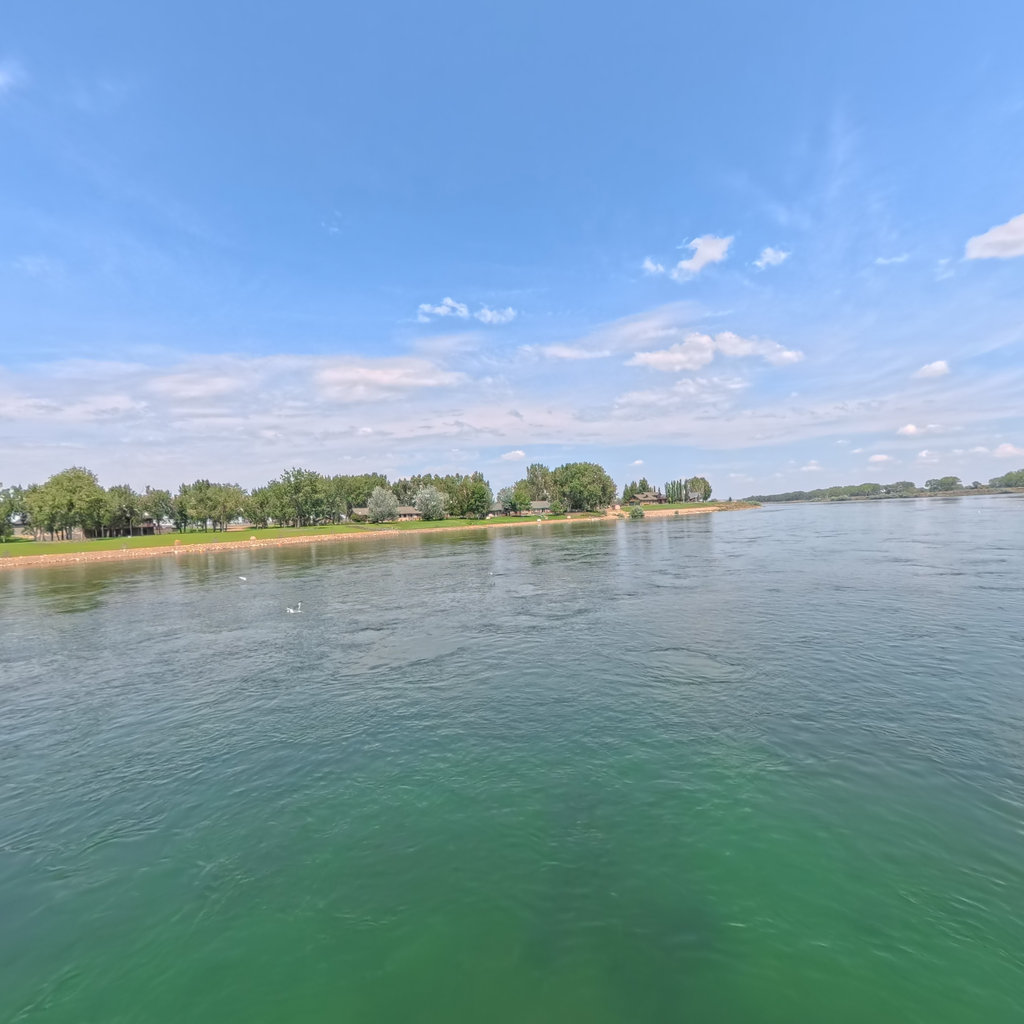
Missouri River near Porcupine River
AI Summary

Setting out under a gentle northeast breeze beneath threatening skies, the party traveled through light rain and passed the mouth of a large 150-yard-wide river on the starboard side, believed to be the stream the Minitarees call 'the river which scolds at all others.' Clark named it Milk River for its tea-and-milk colored water. Walking ashore with Sacagawea and her husband, Clark was given wild licorice and white apple to eat. Game was abundant, with hunters taking three beaver and a deer; Clark killed a beaver and a wolf. They camped early on the larboard side.

May the 8th Wednesday 1805 a verry black Cloud to the S W. we Set out
under a gentle breeze from the N. E. about 8 oClock began to rain, but not
Sufficient to wet, we passed the mouth of a large river on the Starboard
Side 150 yards wide and appears to be navagable. the Countrey thro which
it passes as far as Could be seen from the top of a verry high hill on
which I was, a butifull leavil plain this river forks about N W from its
mouth 12 or 15 miles one fork runs from the North & the other to the
West of N W. the water of this river will justify a belief that it has its
Sourse at a considerable distance, and waters a great extent of Countreywe
are willing to believe that this is the River the Minitarres Call the
river which Scolds at all others

the Countrey on the Lard. Side is high & broken with much Stone
Scattered on the hills, In walking on Shore with the Interpreter & his
wife, the Squar Geathered on the Sides of the hills wild Lickerish, &
the white apple as called by the angegies and gave me to eat, the Indians
of the Missouri make great use of the white apple dressed in different
waysSaw great numbers of Buffalow, Elk, antelope & Deer, also
black tale deer beaver & wolves, I killed a beaver which I found on
the bank, & a wolf. The party killed 3 Beaver 1 Deer I saw where an
Indian had taken the hair off a goat Skin a fiew days pastCamped
early on the Lard. Side. The river we passed today we call Milk river from
the peculiar whiteness of it’s water, which precisely resembles tea with a
considerable mixture of milk.

Read this entry in modern English AI-translated

May 8th, Wednesday, 1805. A very black cloud appeared to the southwest. We set out under a gentle breeze from the northeast. About 8 o'clock it began to rain, but not enough to wet us. We passed the mouth of a large river on the starboard side, 150 yards wide and apparently navigable. The country through which it passes, as far as could be seen from the top of a very high hill on which I stood, is a beautiful level plain. This river forks about 12 or 15 miles northwest from its mouth; one fork runs from the north and the other to the west of northwest. The water of this river justifies the belief that it has its source at a considerable distance and waters a great extent of country. We are willing to believe that this is the river the Minitarres (Minitarees) call the river which scolds at all others.

The country on the larboard side is high and broken, with much stone scattered on the hills. While walking on shore with the interpreter and his wife, the squaw gathered on the sides of the hills wild licorice and the white apple, as called by the engagés, and gave them to me to eat. The Indians of the Missouri make great use of the white apple, dressed in different ways. We saw great numbers of buffalo, elk, antelope, and deer, also black-tailed deer, beaver, and wolves. I killed a beaver which I found on the bank, and a wolf. The party killed 3 beaver and 1 deer. I saw where an Indian had taken the hair off a goat skin a few days past. We camped early on the larboard side. The river we passed today we call Milk River, from the peculiar whiteness of its water, which precisely resembles tea with a considerable mixture of milk.

This modernization is AI-generated for accessibility. The original above is the authoritative version.

Our Partners