Clark: November 30, 1805
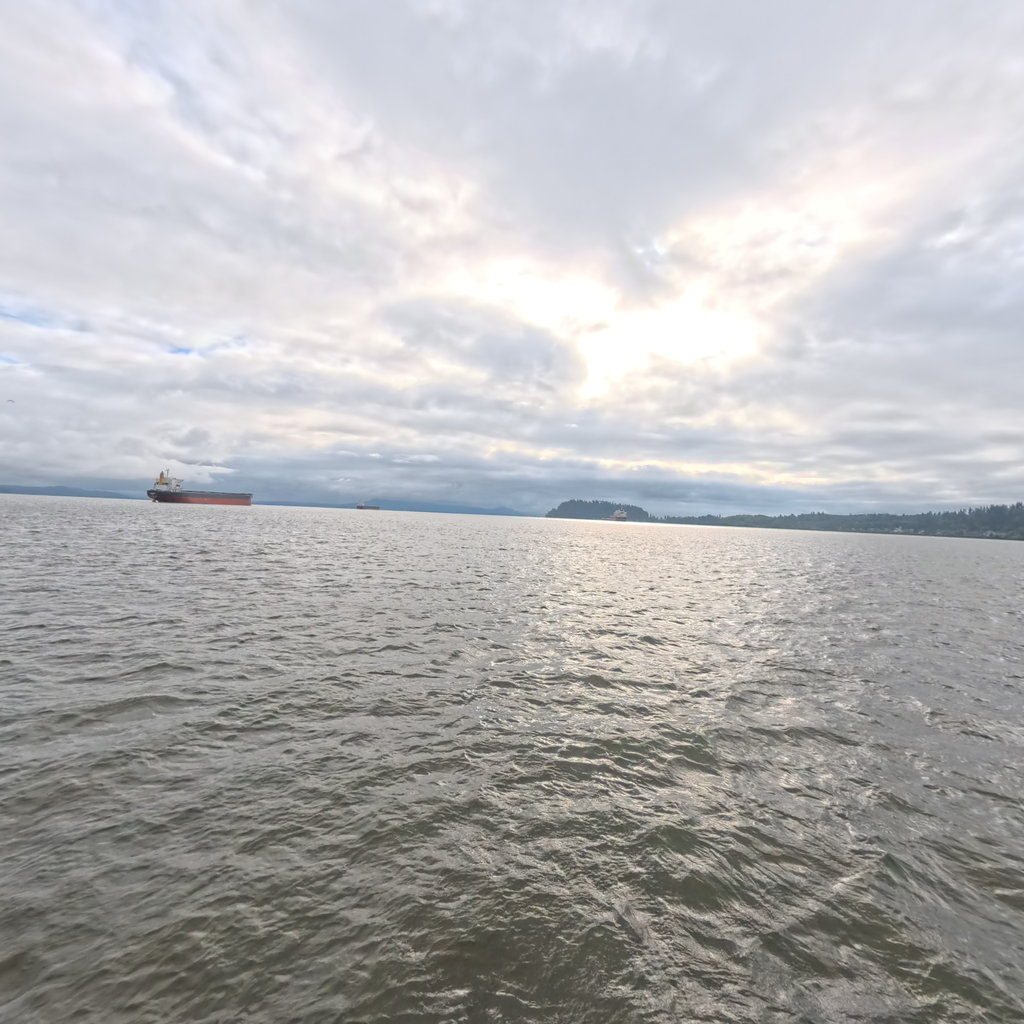
Camped along the lower Columbia, the party endured an overnight mix of rain and hail before clearing skies arrived around 9 a.m. Clark sent five men by canoe to hunt waterfowl and two others into the woods for elk, while the rest dried wet gear and dressed skins. Hunters returned with three hawks and three black ducks but no elk. Sacagawea shared a piece of saved bread, now wet, with Clark. Several men felt ill, which Clark blamed on pounded fish mixed with saltwater. He noted local wildlife, vegetation, and Chinook canoe burial customs.
November 30th Saturday 1805 Some rain and hail with intervales of fair
weather for 1 and 2 hours dureing the night and untill 9 oClock this
morning at which time it Cleared up fair and the Sun Shown, I Send 5 men
in a Canoe in the Deep bend above the Peninsulear to hunt fowles, & 2
men in the thick woods to hunt Elk had all our wet articles dried &
the men all employed dressing their Skins, I observe but few birds in this
Countrey of the Small kindsgreat numbers of wild fowl, The large Buzzard
with white under their wings Grey & Bald eagle large red tailed hawk,
ravins, Crows, & a small brown bird which is found about logs &c.
but fiew small hawks or other smaller birds to be seen at this time
Snakes, Lizzards, Snales bugs worms Spiders, flies & insects of
different kinds are to be Seen in plenty at this time. The Squar, gave me
a piece of Bread to day made of Some flower She had Cearfully kept for her
child, and had unfortunately got wet The hunters killed only 3 hawks, saw
3 Elk but Could not git a Shot at them, The fowlers, killed 3 black ducks,
with white Sharp bills, a brown Spot in their foward, Some white under the
tail, which Short, and a fiew of the tips of the wing feathers white,
Their toes are long Seperated and flaped, no Craw, keep in emence large
flocks in the Shallow waters & feed on Grass &c.- Several men
Complaining of being unwell to daya Broock comes in to the bend
above the 1st point above, and a river falls in the next nitch above this
river is Small,I observe rose bushes Pine, a kind of ash a Species
of Beech and a Species of Maple, in addition to the pine Lorrel and under
groth Common to the woods in this Lower Countrey the hills are not high
& Slope to the river
—
Saturday 30th of November 1805 Some rain and hail with intervales of fair
weather for the Space of one or two hours at a time dureing the night
untill 9 oClock this morning, at which time it Cleared away and the Sun
Shewn for ____ hours, Several men out hunting I Send 5 men in the bend
above to hunt fowl &c. in a Canoe, employ all the others in drying our
wet articles by the fire Several men Complain of a looseness and gripeing
which I contribute to the diet, pounded fish mixed with Salt water, I
derect that in future that the party mix the pounded fish with fresh waterThe
Squar gave me a piece of bread made of flour which She had reserved for
her child and carefully Kept untill this time, which has unfortunately got
wet, and a little Sourthis bread I eate with great Satisfaction, it
being the only mouthfull I had tasted for Several months past. my hunters
killed three Hawks, which we found fat and delicious, they Saw 3 Elk but
Could not get a Shot at them. The fowlers killed 3 black Ducks with Sharp
White beeks keep in large flocks & feed on Grass, they have no Craw
and their toes are Seperate, Common in the U. States
The Chinnooks Cath ldh mah & others in this neighbourhood bury their
dead in their Canoes. for this purpose 4 pieces of Split timber are Set
erect on end, and sunk a fiew feet in the ground, each brace having their
flat Sides opposit to each other and Sufficiently far assunder to admit
the width of the Canoe in which the dead are to be deposited; through each
of those perpindicular posts, at the hight of 6 feet a mortice is Cut,
through which two bars of wood are incerted; on those Cross bars a Small
Canoe is placed, in which the body is laid after beaing Carefully roled in
a robe of Some dressed Skins; a paddle is also deposited with them; a
larger Canoe is now reversed, overlaying and imbracing the Small one, and
resting with its gunnals on the Cross bars; one or more large mats of
flags or rushes are then rold. around the Canoe and the whole Securely
lashed with a long Cord usially made of the bark of the arbar vita or
white Cedar. on the Cross bars which Support the Canoes is frequently hung
or laid various articles of Clothing Culinary utensils &c. we cannot
understand them Sufficiently to make any enquiries relitive to their
religious opinions, from their depositing Various articles with their
dead, beleve in a State of future ixistance.
I walked on the point and observed rose bushes different Species of pine,
a Spcies of ash, alder, a Species of wild Crab Loral and Several Species
of under Broth Common to this lower part of the Columbia river- The hills
on this Coast rise high and are thickly covered with lofty pine maney of
which are 10 & 12 feet through and more than 200 feet high. hills have
a Steep assent.
Read this entry in modern English AI-translated
November 30th, Saturday 1805. Some rain and hail with intervals of fair weather for one and two hours during the night and until 9 o'clock this morning, at which time it cleared up fair and the sun shone. I sent 5 men in a canoe into the deep bend above the peninsula to hunt fowl, and 2 men into the thick woods to hunt elk. Had all our wet articles dried, and the men all employed dressing their skins. I observe but few birds of the small kinds in this country, but great numbers of wild fowl: the large buzzard with white under their wings, gray and bald eagles, large red-tailed hawks, ravens, crows, and a small brown bird which is found about logs, etc. But few small hawks or other smaller birds are to be seen at this time. Snakes, lizards, snails, bugs, worms, spiders, flies, and insects of different kinds are to be seen in plenty at this time.
The Squar (the Indian woman) gave me a piece of bread today made of some flour she had carefully kept for her child, and had unfortunately gotten wet. The hunters killed only 3 hawks, saw 3 elk but could not get a shot at them. The fowlers killed 3 black ducks with white sharp bills, a brown spot on their foreheads, some white under the tail, which is short, and a few of the tips of the wing feathers white. Their toes are long, separated, and webbed; they have no craw, keep in immense large flocks in the shallow waters, and feed on grass, etc. Several men complaining of being unwell today.
A brook comes in at the bend above the 1st point above, and a river falls in at the next niche above; this river is small. I observe rose bushes, pine, a kind of ash, a species of beech, and a species of maple, in addition to the pine, laurel, and undergrowth common to the woods in this lower country. The hills are not high and slope to the river.
Saturday, the 30th of November 1805. Some rain and hail with intervals of fair weather for the space of one or two hours at a time during the night until 9 o'clock this morning, at which time it cleared away and the sun shone for ____ hours. Several men out hunting. I sent 5 men in the bend above to hunt fowl, etc., in a canoe, and employed all the others in drying our wet articles by the fire. Several men complain of a looseness and griping, which I attribute to the diet of pounded fish mixed with salt water. I directed that in future the party mix the pounded fish with fresh water.
The Squar gave me a piece of bread made of flour which she had reserved for her child and carefully kept until this time, which has unfortunately gotten wet and a little sour. This bread I ate with great satisfaction, it being the only mouthful I had tasted for several months past. My hunters killed three hawks, which we found fat and delicious; they saw 3 elk but could not get a shot at them. The fowlers killed 3 black ducks with sharp white beaks; they keep in large flocks and feed on grass, they have no craw, and their toes are separate. Common in the U. States.
The Chinnooks (Chinooks), Cath-lah-mahs, and others in this neighborhood bury their dead in their canoes. For this purpose, 4 pieces of split timber are set erect on end and sunk a few feet in the ground, each brace having their flat sides opposite each other and sufficiently far asunder to admit the width of the canoe in which the dead are to be deposited. Through each of those perpendicular posts, at the height of 6 feet, a mortise is cut, through which two bars of wood are inserted. On those crossbars a small canoe is placed, in which the body is laid after being carefully rolled in a robe of some dressed skins; a paddle is also deposited with them. A larger canoe is now reversed, overlaying and embracing the small one, and resting with its gunnels on the crossbars. One or more large mats of flags or rushes are then rolled around the canoe, and the whole securely lashed with a long cord usually made of the bark of the arbor vitae or white cedar. On the crossbars which support the canoes are frequently hung or laid various articles of clothing, culinary utensils, etc. We cannot understand them sufficiently to make any inquiries relative to their religious opinions; from their depositing various articles with their dead, I believe they believe in a state of future existence.
I walked on the point and observed rose bushes, different species of pine, a species of ash, alder, a species of wild crab, laurel, and several species of underbrush common to this lower part of the Columbia River. The hills on this coast rise high and are thickly covered with lofty pine, many of which are 10 and 12 feet through and more than 200 feet high. The hills have a steep ascent.
This modernization is AI-generated for accessibility. The original above is the authoritative version.
Entities mentioned in this entry
Auto-extracted from the entry text. Hover any entity for context.